
Infantry · June 1968 – May 1969, May 1971 – December 1971
4th Battalion, Royal Australian Regiment
- Helicopter missions
- 31
- Contacts
- 223
- Operations
- 26
- Dead
- 22
- Australian wounded
- 84
- Enemy killed
- 197
 View unit in Battle MapView missions in Battle Map
Year by year #
223 contacts are recorded for the unit and sub-units, from 4 June 1968 to 2 November 1971. It was the unit in contact in 220 of them, and took part in 3 led by other units.
Unit actions #
In the contacts it led, by the task the report records:
| Task | Contacts | Share |
|---|---|---|
| Patrol | 79 | 36% |
| Ambush | 68 | 31% |
| Security | 48 | 22% |
| Bunker | 20 | 9% |
| Artillery and mortar fire | 1 | 0% |
| Artillery engagement | 1 | 0% |
| Not recorded | 3 | 1% |
In another unit's contact in 3 contacts led by other units: 3 Cav Regt (2), 1 Armd Regt (1).
Operations #
| Operation | Dates | Contacts | Australians killed | Enemy killed |
|---|---|---|---|---|
| Toan Thang 1 | 4 June 1968 | 1 | 0 | 1 |
| Kosciusko | 17 June 1968 | 1 | 0 | 2 |
| Toan Thang 2/Merino | 25 June 1968 | 1 | 0 | 2 |
| Toan Thang 2 | 27 June 1968 | 1 | 1 | 1 |
| Merino | 1 July 1968 – 22 July 1968 | 15 | 0 | 5 |
| Horseshoe | 7 July 1968 | 1 | 1 | 0 |
| TAOR | 22 July 1968 – 24 March 1969 | 3 | 0 | 1 |
| Lyre Bird | 10 August 1968 – 1 September 1968 | 8 | 0 | 2 |
| TAOR/Innamincka | 1 September 1968 | 1 | 0 | 2 |
| Innamincka | 8 September 1968 | 1 | 0 | 0 |
| Hawkesbury | 13 September 1968 – 22 September 1968 | 15 | 3 | 17 |
| Track Duster | 7 October 1968 – 9 October 1968 | 3 | 2 | 2 |
| Capital | 15 October 1968 – 23 November 1968 | 12 | 1 | 8 |
| Capital 2 | 10 November 1968 – 24 November 1968 | 12 | 0 | 14 |
| Goodwood | 12 December 1968 – 16 February 1969 | 43 | 5 | 39 |
| Federal | 20 February 1969 – 16 March 1969 | 13 | 0 | 14 |
| MAT | 7 March 1969 | 1 | 4 | 1 |
| Overlander | 9 April 1969 – 17 April 1969 | 8 | 0 | 13 |
| Stafford | 18 April 1969 – 30 April 1969 | 14 | 0 | 7 |
| U/K | 27 May 1971 – 2 November 1971 | 4 | 0 | 0 |
| Overlord | 6 June 1971 – 13 June 1971 | 8 | 0 | 1 |
| Hermit Park | 15 June 1971 – 26 July 1971 | 23 | 0 | 11 |
| Iron Fox | 29 July 1971 – 30 July 1971 | 3 | 1 | 15 |
| North Ward | 6 August 1971 – 15 September 1971 | 10 | 0 | 8 |
| Ivanhoe | 20 September 1971 – 21 September 1971 | 4 | 5 | 28 |
| South Ward | 18 October 1971 | 2 | 0 | 0 |
Air support #
No. 9 Squadron RAAF's unit history records 31 helicopter missions flown for 4 RAR, from 25 July 1968 to 12 May 1969. 14 casualties were evacuated, as the reports count them.
| Mission | Missions | Share |
|---|---|---|
| Troop Lift | 15 | 48% |
| Combat Assault | 9 | 29% |
| Medevac | 5 | 16% |
| Other | 1 | 3% |
| Resupply | 1 | 3% |
The most significant:
- 13 August 1968: medevac. 2 casualties evacuated. On the allied side: 1 killed, 1 wounded. 3 RAR finished operations in the field and was returned to Nui Dat. During the lift at 9 am, C Company engaged three enemy, killing one and wounding one. At another landing zone a demolition team lit the fuse on five …
- 19 September 1968: medevac. 8 casualties evacuated. Albatross 01 and 02 helped evacuate soldiers of C Company, 4 RAR who had been accidentally strafed with 20 mm cannon fire by an F-100 fighter. Two stretcher and six walking wounded were evacuated.
- 18 November 1968: medevac. 2 casualties evacuated. On another quiet day, two New Zealand soldiers of V Company, 4 RAR/NZ were evacuated to Vung Tau as sitting patients.
- 27 January 1969: medevac. 1 casualty evacuated. At 7.35 pm the night Dustoff, captained by Squadron Leader Thomas, evacuated a New Zealand soldier of W Company, 4 RAR/NZ with abdominal pains to 1st Australian Field Hospital at Vung Tau.
- 10 April 1969: medevac. 1 casualty evacuated. At 6.15 pm Albatross 01, captained by Flying Officer Creelman (RNZAF), winched out an injured 4 RAR soldier and took him to Vampire pad.
View the missions in Battle Map
Notable contacts #
4 June 1968: Ambush, Operation Toan Thang 1 #
First · 4 RAR in contact
Enemy: 1 killed.
4 Platoon, B Company, set an ambush 50 metres from a track behind a paddy bund, as close as it could get under cover. The machine-gunner let a party of six enemy right into the ambush before opening fire, setting off four Claymores; one enemy was killed and the rest dropped into a creek and escaped. The platoon had arrived late and had no time to site its Claymores well, and the company commander noted that any patrol leaving in daylight was liable to be reported to the Viet Cong by locals.
13 September 1968: Bunker, Operation Hawkesbury #
Significant · 4 RAR in contact
Australian: 3 killed, 6 wounded. Enemy: 2 killed.
7 Platoon, C Company, 4 RAR, found what looked like an abandoned bunker system of about 20 interlocking bunkers in thick jungle, and quickly organised a two-section assault. The first bunkers were cleared, but halfway in both sections came under very disciplined rifle fire, and the casualties came in clearing three main bunkers. Two Australians were killed, one died of wounds and six were wounded; two enemy were killed and rice, packs, medical kits and documents captured. The platoon concluded it should have reconnoitred the bunkers more carefully before attacking.
8 October 1968: Bunker, Operation TRACK Duster #
Significant · 4 RAR in contact
Australian: 2 killed, 6 wounded.
12 Platoon, D Company, 4 RAR, was working through an area full of enemy camps. Its commander, leading a small group along a side track, was seen by enemy in a hidden camp 35 metres away, who set off two mines, one a mortar shell and the other a Claymore, threw a grenade and opened fire. Two Australians were killed and six wounded, all by the mines and grenade; the platoon attacked and swept the camp, but the enemy had gone.
23 December 1968: Patrol, Operation Goodwood #
Typical: patrol · 4 RAR in contact
Australian: 1 killed, 5 wounded.
A 28-man platoon of C Company, 4 RAR, was sent to find 100 to 200 enemy seen from the air. Half went forward to reconnoitre along a paddy field while the rest waited with three armoured personnel carriers as a reaction force; crossing a tree line, the forward group was hit by a command-detonated Claymore. The reaction force came straight down the paddy, fired on the area and brought the group out, and mortars were fired. One Australian was killed and five wounded.
1 February 1969: Security, Operation Goodwood #
Typical: security · 4 RAR in contact
Enemy: 1 killed, 2 wounded.
5 Platoon, B Company, 4 RAR, fired a Claymore at several enemy moving round its perimeter, wounding one, who moaned through the night. The enemy made several attempts to rescue him, firing bursts into the perimeter, and were answered with grenade launchers and rifles. In the morning a body and a rifle were found, with two more blood trails.
15 February 1969: Ambush, Operation Goodwood #
Typical: ambush · 4 RAR in contact
Enemy: 6 killed.
Acting on an informant's information, 10 Platoon, D Company, 4 RAR, ambushed four or five boats carrying 12 to 15 enemy. Two boats were sunk and another drifted downstream; the enemy fired back from the south bank, and artillery hit their escape routes. Six enemy were killed.
16 February 1969: Bunker, Operation Goodwood #
Significant · In 1 Armd Regt's contact
Australian: 2 killed, 8 wounded. Enemy: 6 killed.
1 Troop, B Squadron, 1 Armoured Regiment, and B Company, 4 RAR, were fired on from bunkers, and attacked them into rocket-propelled grenades, machine-guns and Claymore mines, with air strikes and gunships in support. One tank was badly damaged by four or five rockets. Two Australians were killed and eight wounded, B Company's mostly by Claymores and the tanks' by rockets; W Company joined, and both companies pulled back for heavy artillery and to be resupplied with ammunition. Six enemy were killed.
7 March 1969: Ambush, Operation MAT #
Significant · 4 RAR in contact
Australian: 4 killed, 2 wounded. Enemy: 1 killed.
Three Australians and 22 South Vietnamese Regional Force soldiers set an ambush in the paddy fields 150 metres from the tree line of Dat Do. Within 15 minutes the enemy opened fire from the trees with machine-guns, rifles and rockets, pinning the patrol behind the paddy bunds, and several were killed as it tried to withdraw, among them an Australian corporal; the enemy then advanced by fire and movement. Mortar fire from 4 RAR at the Horseshoe stopped them, and they withdrew leaving one dead. The platoon had ambushed from the same place too often, and the enemy had learned its habits.
9 April 1969: Ambush, Operation Overlander #
Significant · 4 RAR in contact
Enemy: 7 killed, 3 wounded.
4 RAR's Anti-Tank Platoon, in ambush at night, fired Claymores and machine-guns at enemy movement, lighting the area with hand flares, artillery and mortars. When moaning and movement were heard again, it fired grenades and machine-guns once more. The sweep at first light found seven bodies, blood trails, a drag mark and six rifles.
29 July 1971: Bunker, Operation Iron Fox #
Typical: bunker · 4 RAR in contact
Australian: 3 wounded. Enemy: 3 killed.
7 Platoon, C Company, 4 RAR, was following a track from an empty bunker system when its forward section crossed a steep gully and saw a bunker; as the section commander went forward, an enemy came out and the fight began. The platoon came under rifle fire from the bunkers, Claymore mines fired from the trees and then rocket-propelled grenades, and after about an hour withdrew by fire and movement, with artillery keeping the enemy in their bunkers. Three Australians were wounded; at least three enemy were heard crying out from wounds. Many shells and grenades failed to go off in the soft ground, and two machine-guns broke down, but the rifle-fired grenades proved their worth.
30 July 1971: Bunker, Operation Iron Fox #
Significant · 4 RAR in contact
Australian: 1 killed, 5 wounded. Enemy: 12 killed.
D Company, 4 RAR/NZ, with tanks of C Squadron, 1 Armoured Regiment, was searching for the 274th Regiment's 1st Battalion. Just after the tanks had left, 10 Platoon came under rocket fire from a bunker, and fire from the system grew intense; 12 Platoon killed three enemy fleeing another bunker. A troop of tanks came back and, slowed at first by thick jungle and the need to find the infantry, pushed 100 metres ahead of them through the bunkers, firing main guns and machine-guns, and cleared the system with the infantry. One Australian was killed and four or five wounded; twelve enemy were killed.
21 September 1971: Bunker, Operation Ivanhoe #
Significant · 4 RAR in contact
Australian: 5 killed, 9 wounded. Enemy: 18 killed.
12 Platoon, D Company, 4 RAR/NZ, leaving its night position, was fired on from a well-established bunker system of the 33rd North Vietnamese Regiment's 3rd Battalion; one Australian was killed at once. Through the morning artillery, gunships and aircraft attacked the system, bringing fire within 40 metres. In the afternoon the company assaulted, and the leading section was cut down by fire from the flanks 15 metres short of the bunkers; the company withdrew, leaving its dead, and while pulling back ran into a second bunker system, where it was pinned down until dark with artillery brought within 100 metres. Five Australians were killed and nine wounded; eighteen enemy were killed, half of them by air attack. With V Company, the company recovered its dead and equipment two days later.
21 September 1971: Bunker, Operation Ivanhoe #
Significant · 4 RAR in contact
Australian: 15 wounded. Enemy: 7 killed, 6 wounded.
6 Platoon, B Company, 4 RAR/NZ, following a telephone wire, fired on an enemy soldier rolling it up and followed his tracks. A party looking for a night position then met enemy on three sides, and the main body was hit by rifle and 60 mm mortar fire, taking heavy casualties; 4 Platoon came up to join it, killing one enemy on the way. Artillery, helicopter teams and air strikes of napalm, bombs and rockets supported the company. Fifteen Australians were wounded, three staying on duty; the enemy were thought to be the headquarters and support weapons of the 33rd North Vietnamese Regiment, and two bunker complexes were found around the contact area.
2 November 1971: Patrol, Operation U/K #
Last · 4 RAR in contact
5 Platoon, B Company, 4 RAR/NZ, was fired on by two or three enemy in green and black, who withdrew. There were no Australian casualties.
Sub-units #
B Company #
54 contacts, 26 June 1968 to 2 November 1971; 13 operations. Australian: 2 killed, 27 wounded. Enemy: 40 killed, 21 wounded.
Actions: patrol 35%, security 31%, ambush 27%, bunker 8%.
Most significant contacts:
- 16 September 1968: bunker, Operation Hawkesbury. Enemy: 2 killed.
- 16 February 1969: bunker, Operation Goodwood. Australian: 2 killed, 8 wounded. Enemy: 6 killed.
- 21 September 1971: bunker, Operation Ivanhoe. Australian: 15 wounded. Enemy: 7 killed.
C Company #
73 contacts, 7 July 1968 to 12 September 1971; 14 operations. Australian: 5 killed, 16 wounded. Enemy: 59 killed, 7 wounded.
Actions: ambush 42%, patrol 26%, security 22%, bunker 7%, artillery engagement 1%.
Most significant contacts:
- 13 September 1968: bunker, Operation Hawkesbury. Australian: 3 killed, 6 wounded. Enemy: 2 killed.
- 23 December 1968: patrol, Operation Goodwood. Australian: 1 killed, 5 wounded.
- 29 July 1971: bunker, Operation Iron Fox. Australian: 3 wounded. Enemy: 3 killed.
D Company #
65 contacts, 27 June 1968 to 21 September 1971; 15 operations. Australian: 12 killed, 33 wounded. Enemy: 74 killed, 11 wounded.
Actions: patrol 49%, ambush 22%, bunker 15%, security 12%.
Most significant contacts:
- 8 October 1968: bunker, Operation Track Duster. Australian: 2 killed, 6 wounded.
- 30 July 1971: bunker, Operation Iron Fox. Australian: 1 killed, 5 wounded. Enemy: 12 killed.
- 21 September 1971: bunker, Operation Ivanhoe. Australian: 5 killed, 9 wounded. Enemy: 18 killed.
Roll of honour #

The unit's 22 dead on the honour roll: those on a tour with the unit when they died, and reinforcements killed in the unit's contacts. Each opens their entry on the honour roll.
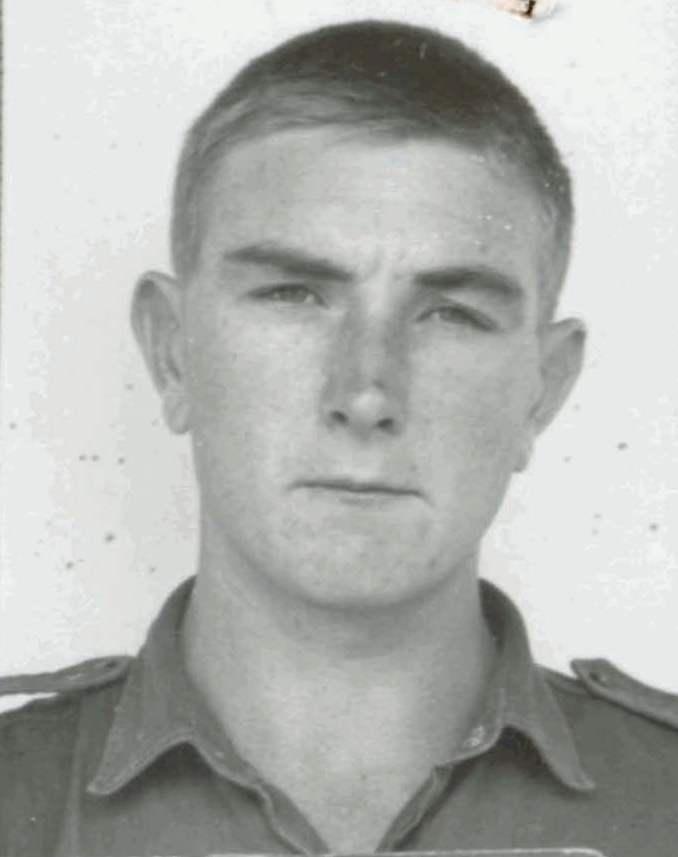 Stuart John Barnett
Private
27 June 1968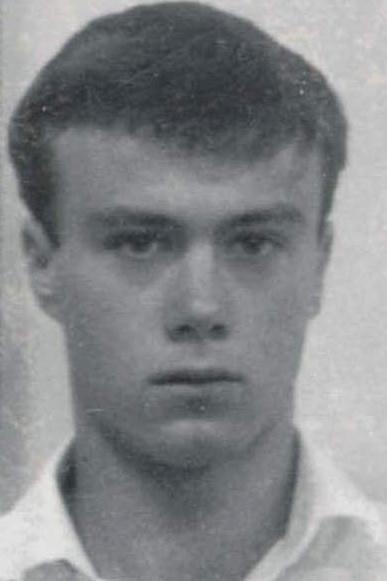 Patrick Shane O'connor
Private
7 July 1968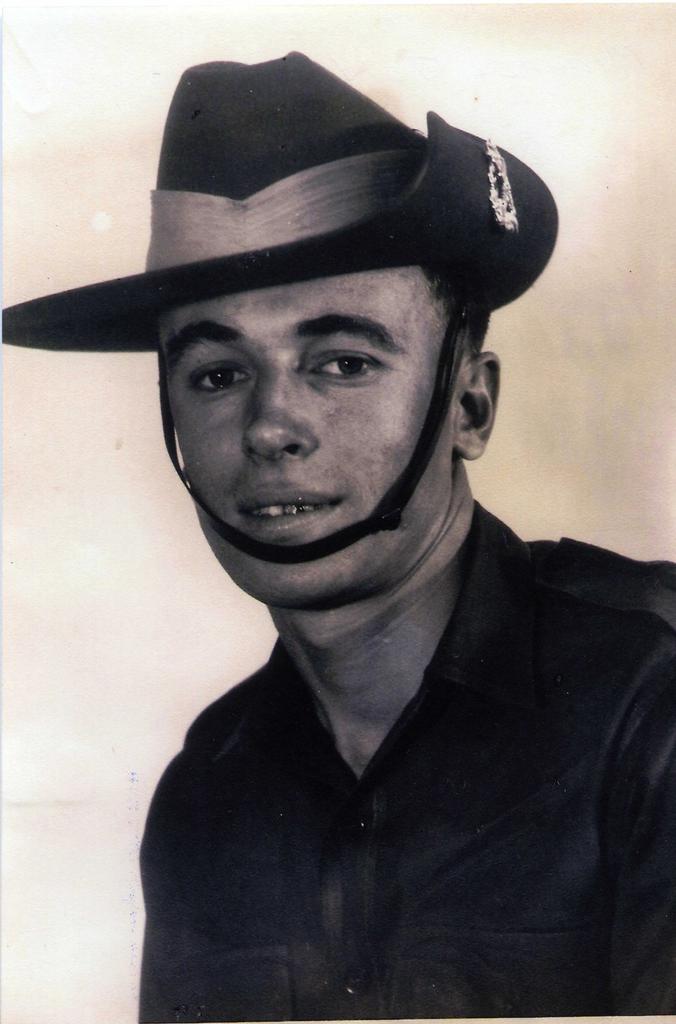 Michael James Noonan
Private
13 September 1968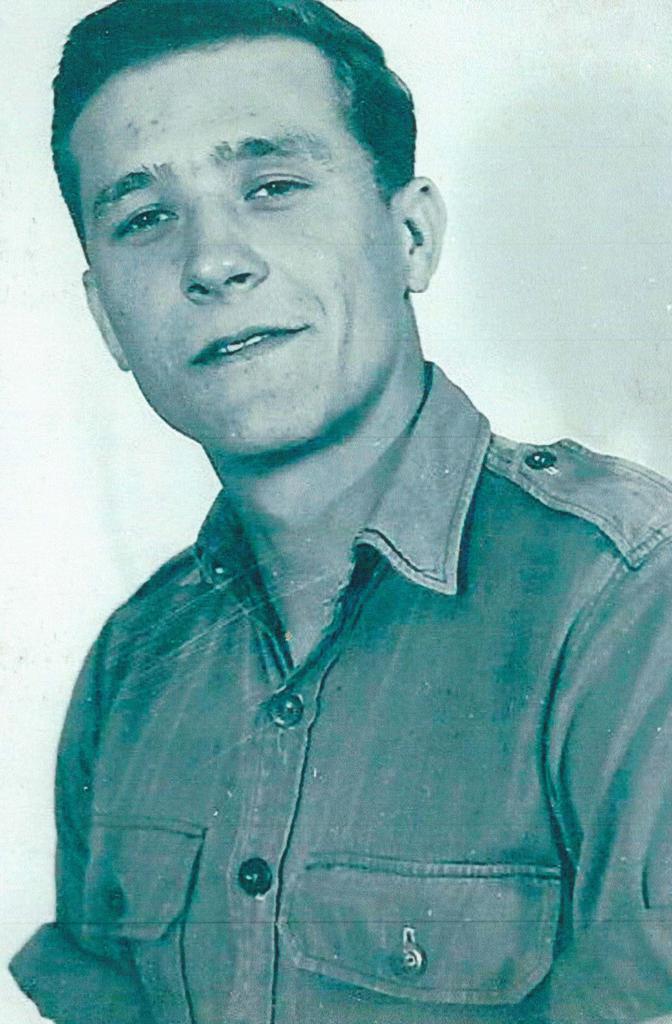 Michael Muc
Private
13 September 1968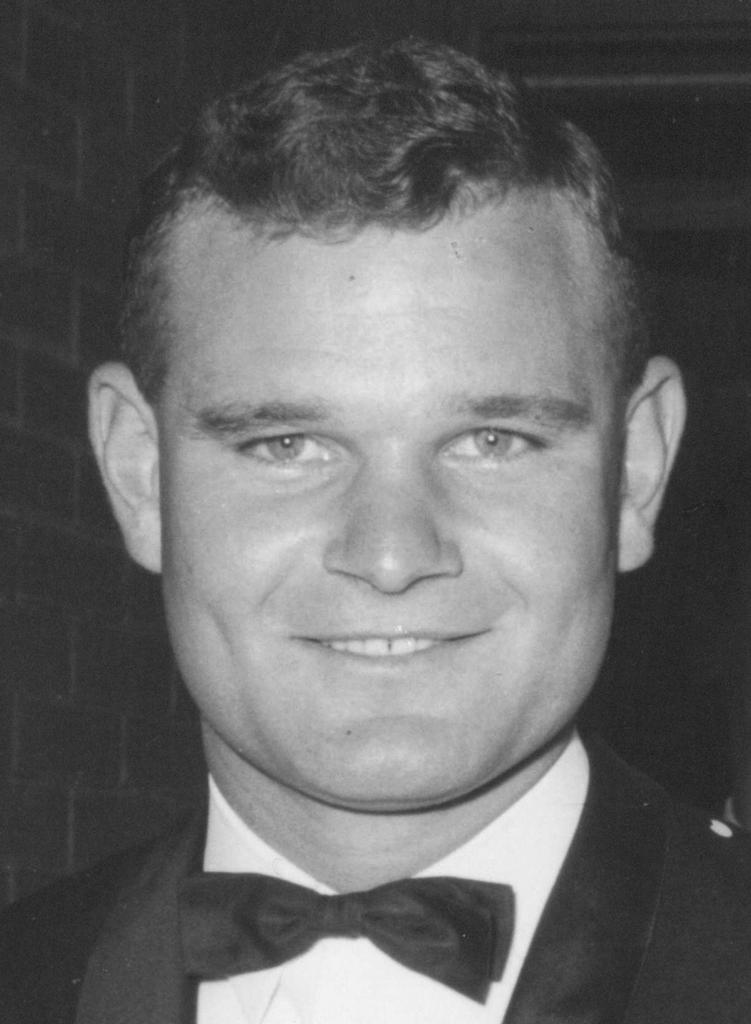 Robert Burns
Lance-Corporal
13 September 1968 Keith Charles Shaw
Private
8 October 1968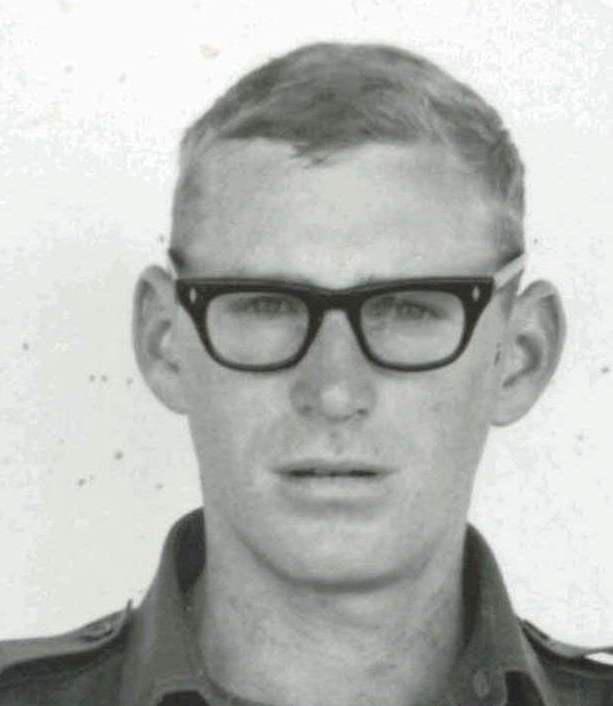 Kevin Frederick Brewer
Private
8 October 1968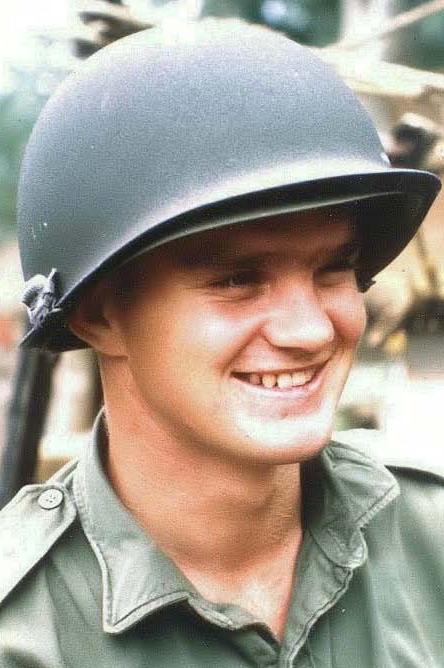 John Richard Tinkham
Private
20 October 1968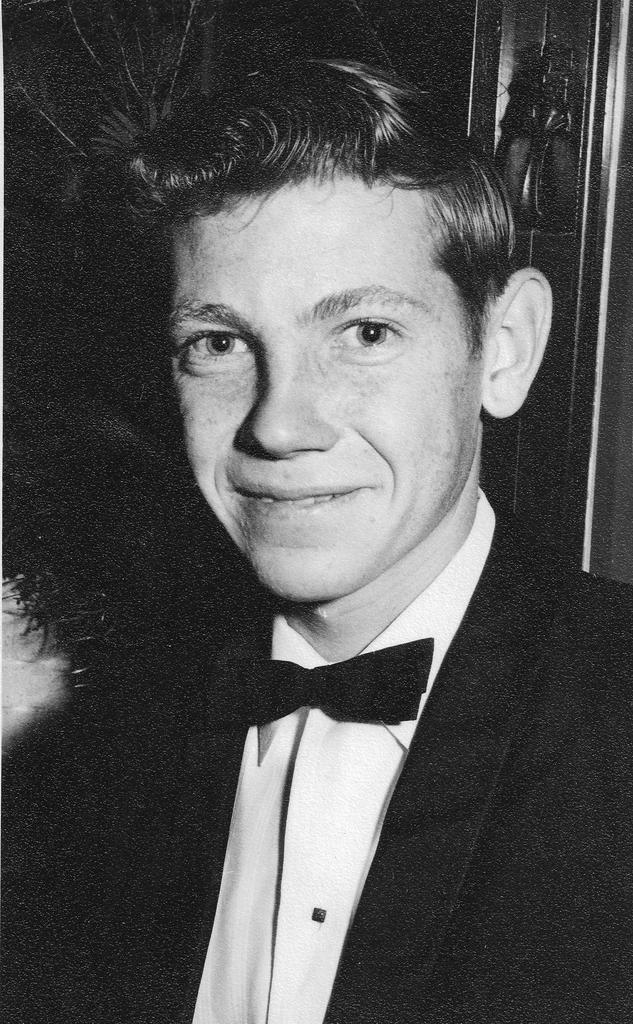 Christopher William Roost
Private
23 December 1968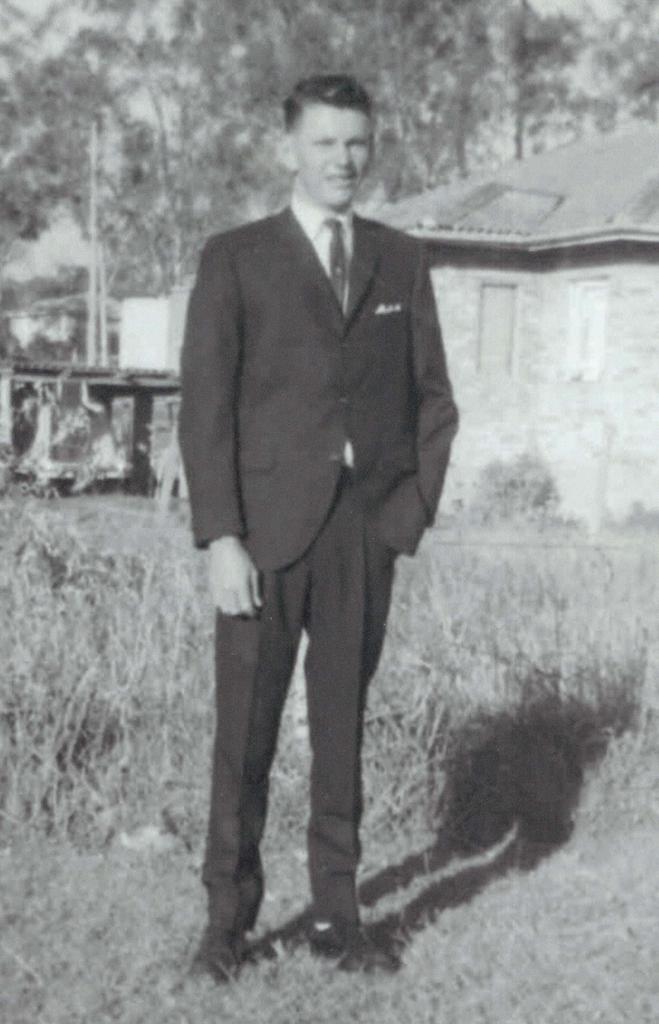 Joseph Steven Ramsay
Private
31 January 1969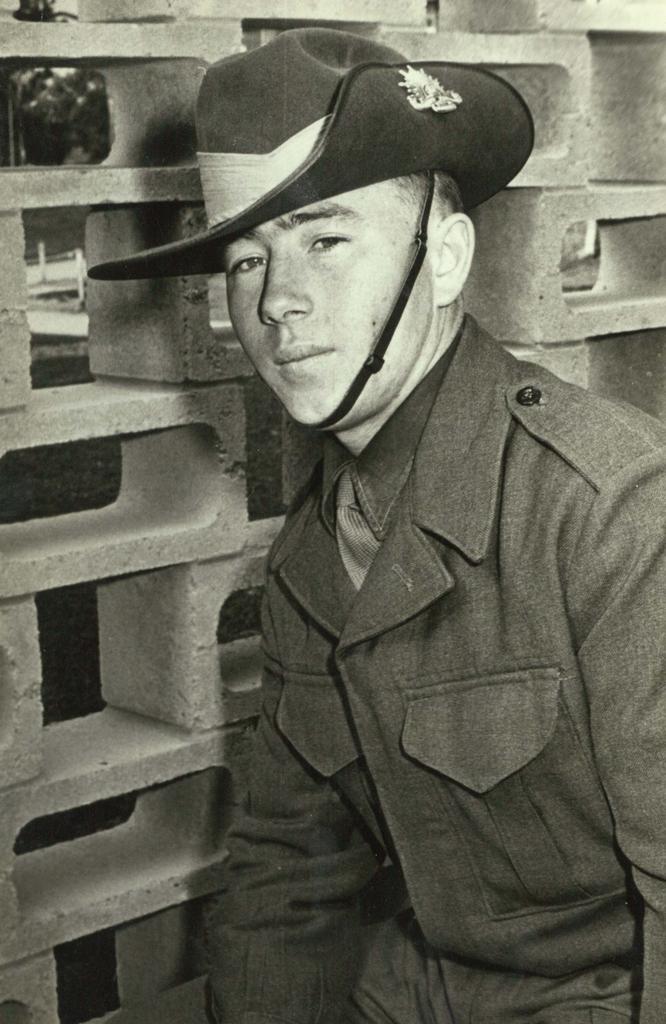 Samuel Graham
Private
31 January 1969 Raymond Alfred Mcguire
Private
16 February 1969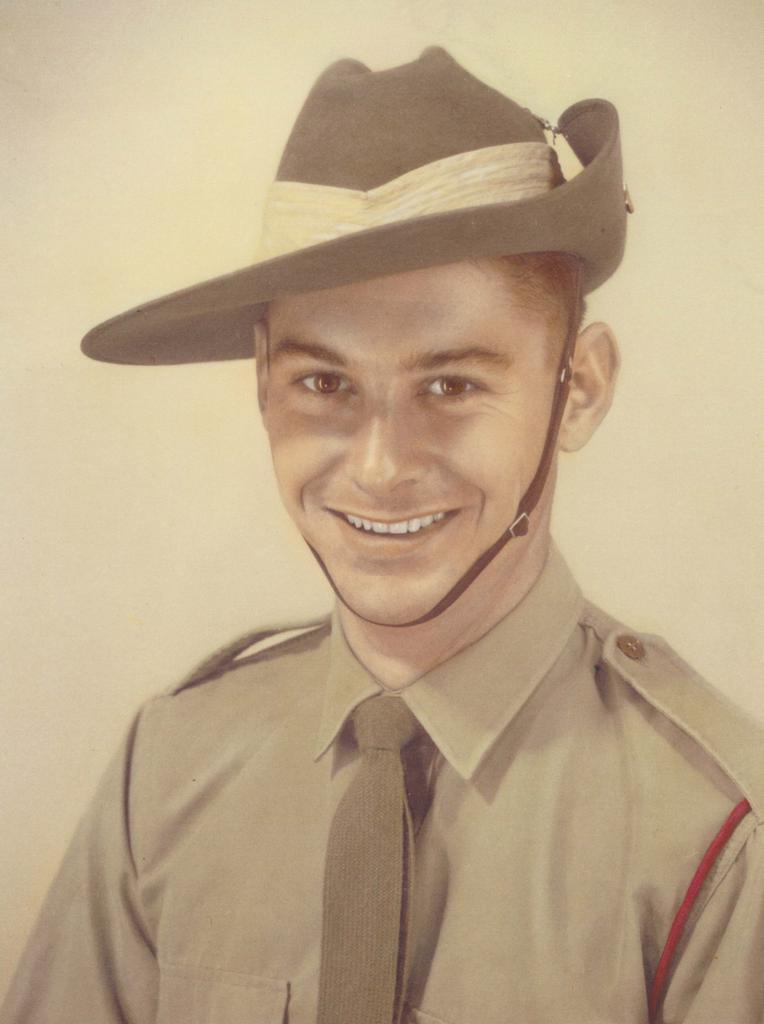 Victor Neils Petersen
Private
16 February 1969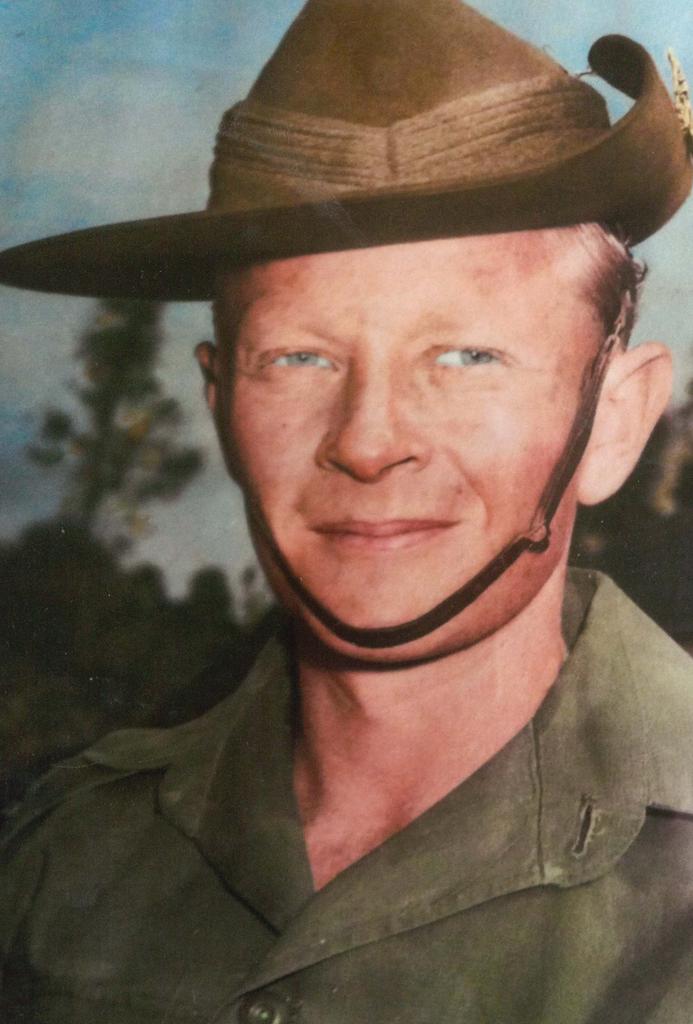 Peter Dawson
Lance-Corporal
7 March 1969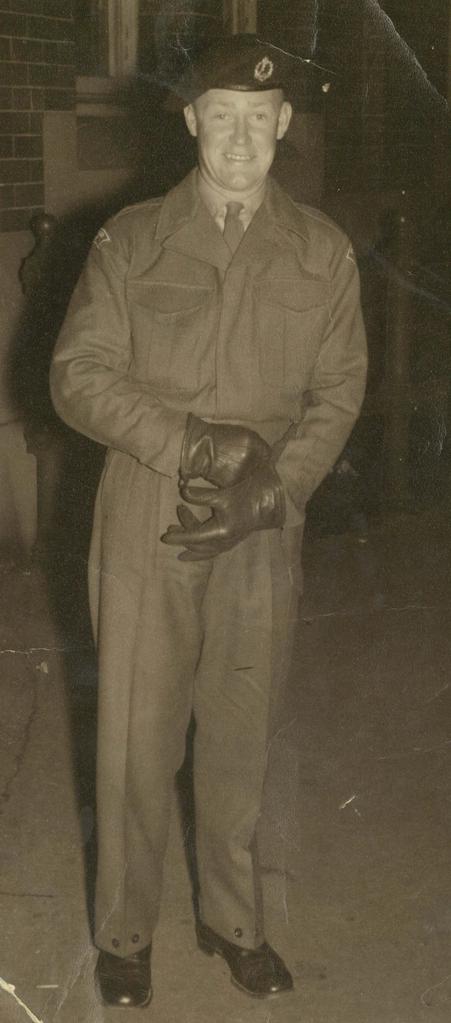 Alan Charles Fawns Wilkinson
Corporal
3 July 1971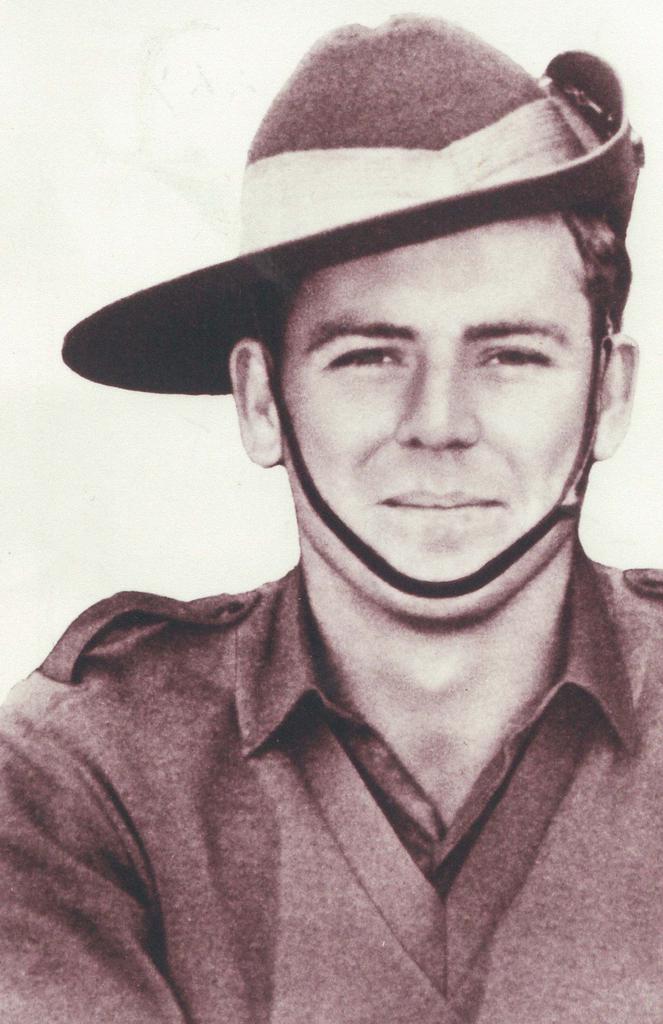 Bernard Michael Pengilly
Private
30 July 1971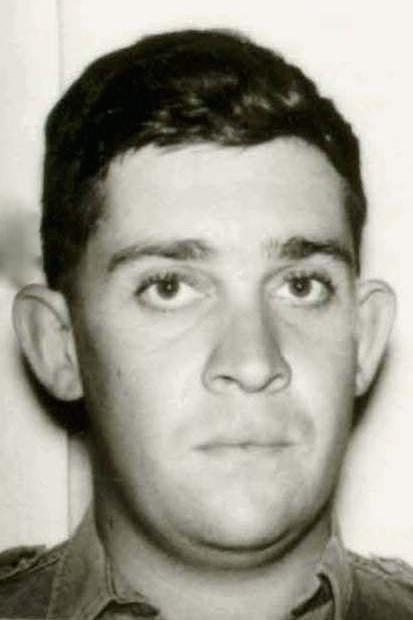 Maxwell Lachlan Rhodes
Private
19 September 1971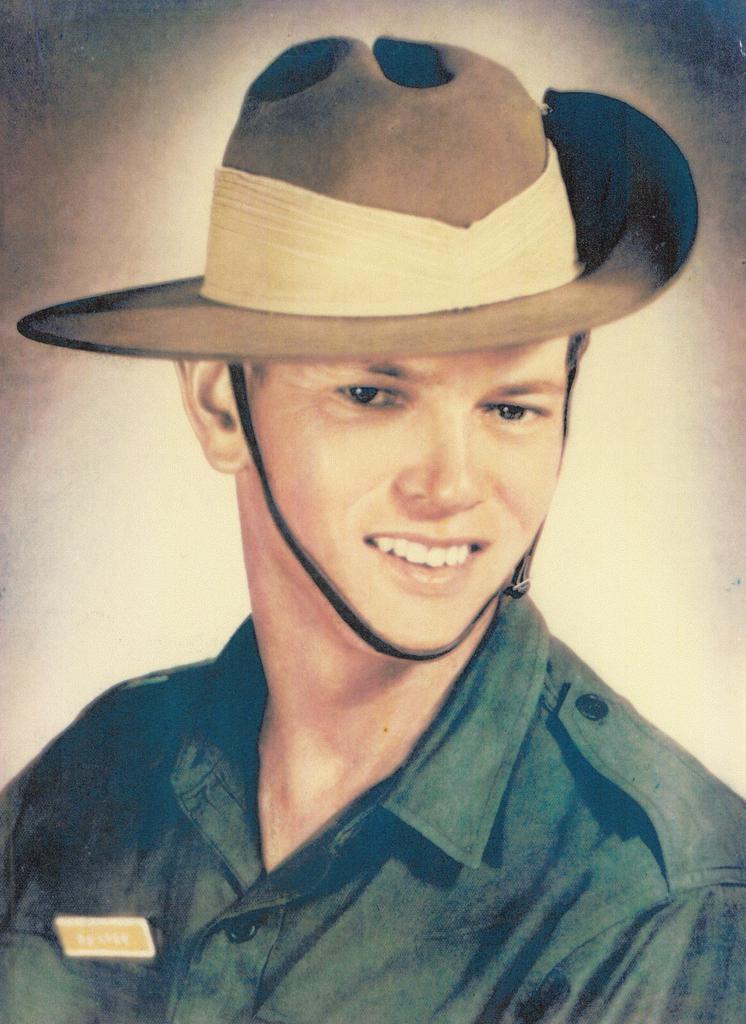 Brian Charles Beilken
Private
21 September 1971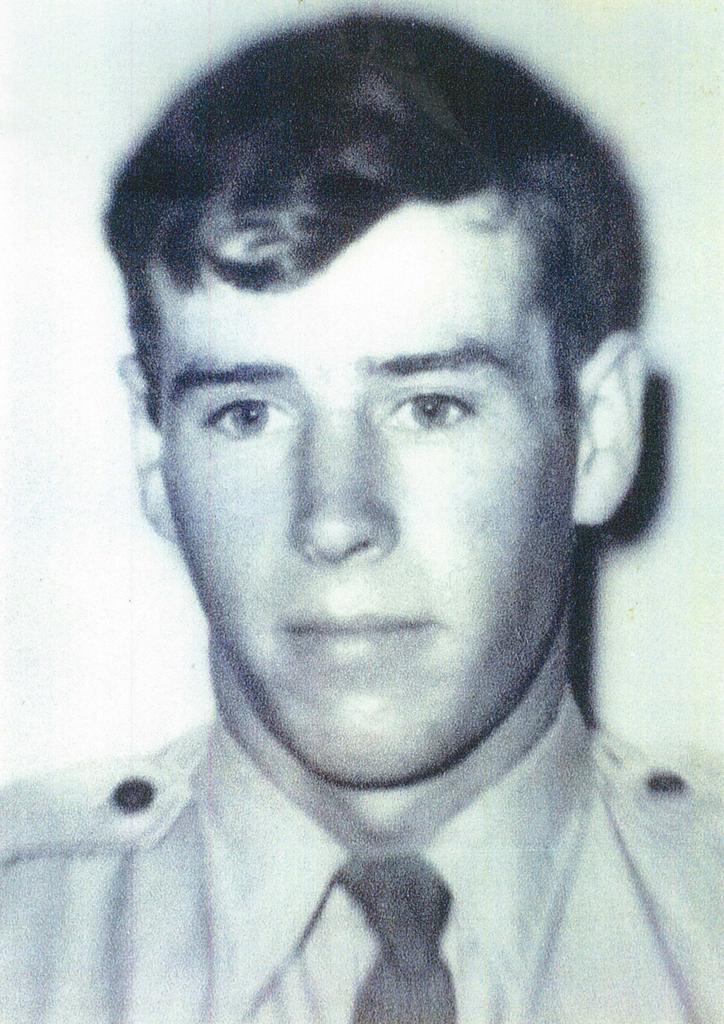 James Duff
Private
21 September 1971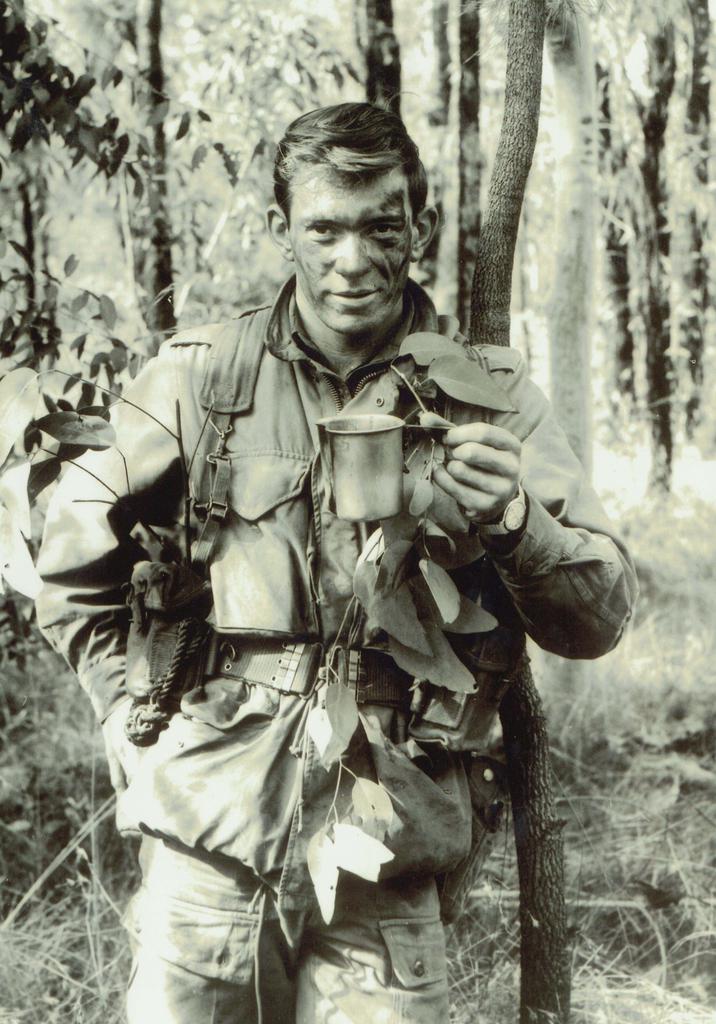 Keith Michael Kingston-Powles
Private
21 September 1971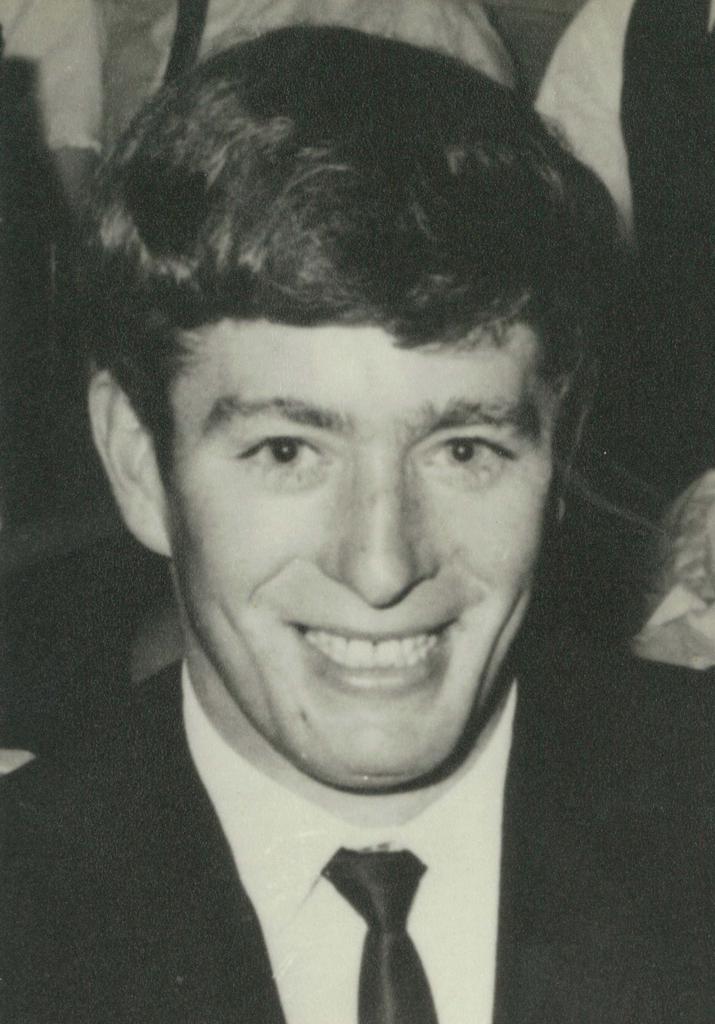 Ralph James Niblett
Private
21 September 1971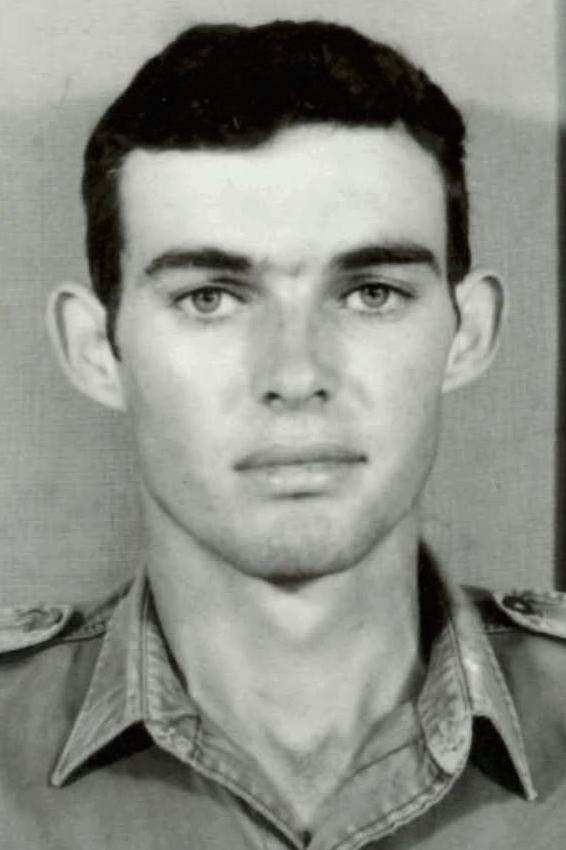 Roderick James Sprigg
Private
21 September 1971
Photographs #
From the site's collection: pictures linked to the unit's contacts, and others taken near them at the time. Each opens on the Battle Map.
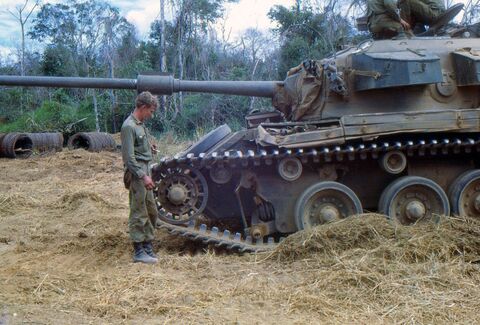 32 Charlie after having been escorted back to FSB Dyke. Temporary repairs had been made to the damaged suspension station. Rus Kiellerup is inspecting the … Duncan McIntosh, 10 December 1968
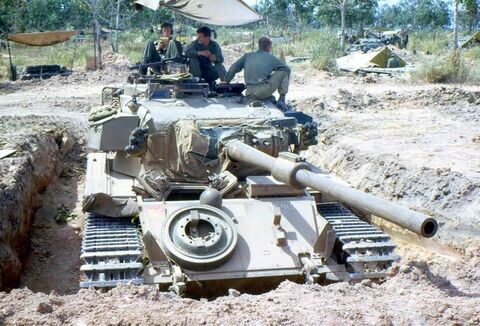 Centurion Tank ARN 169076 32Alpha at FSB Julia Dec 1968 Left to Right Tpr Don Webber, Tpr Ross Prior and Sgt Mick Rainey. Barry J Diwell, 30 November 1968
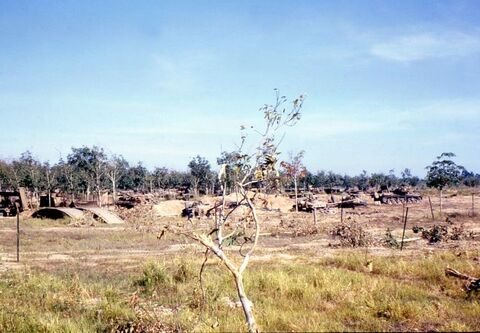 Approaching entrance to FSB Julia December 1968 Barry J Diwell
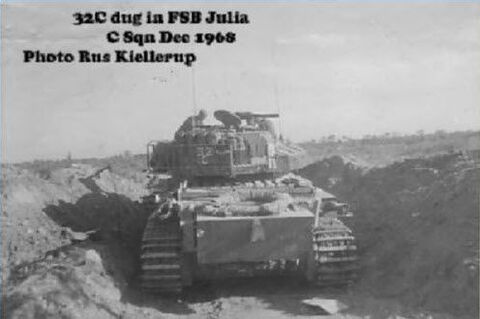 FSPB JULIA YS 2281. Ern Marshall Rus Kiellerup
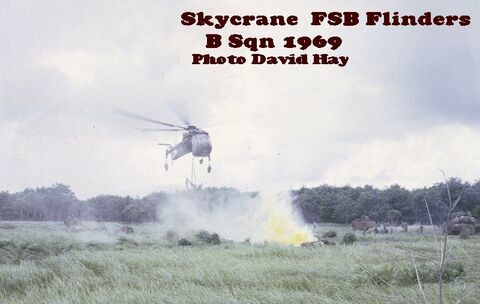 Sky Crane drops supplies to B Sqn 1969 Ern Marshall David Hay
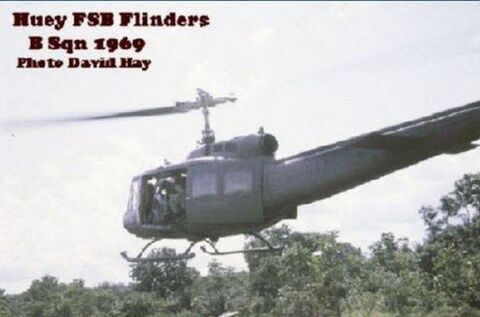 Chopper Lands at FSB Flinders B Sqn 1969 Ern Marshall Daid Hay
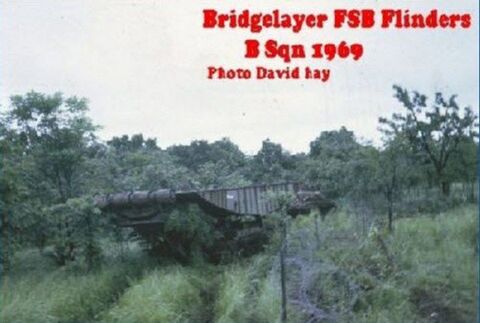 Bridge Layer at FSB Flinders Ern Marshall David Hay
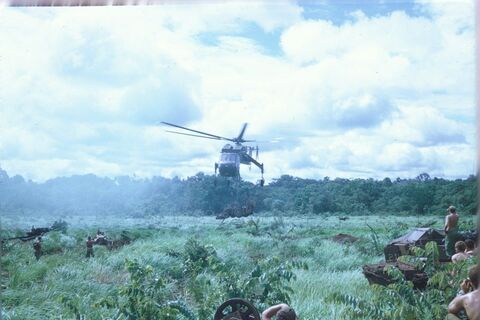 Front end loader being dropped at FSB Flinders Ern Marshall David Hay
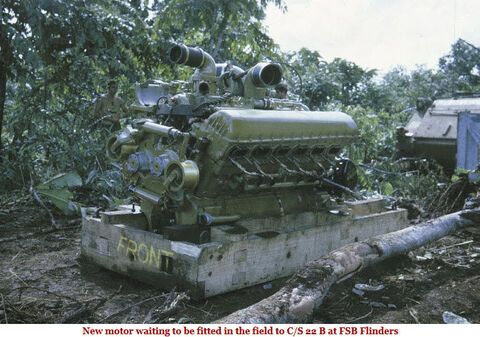 New engine waiting to be fitted Ern Marshall David Hay
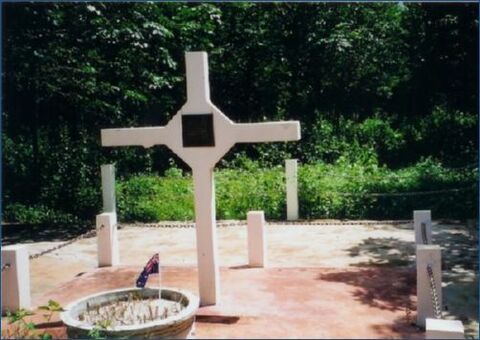 Long Tann Cross 2002 Ern Marshall
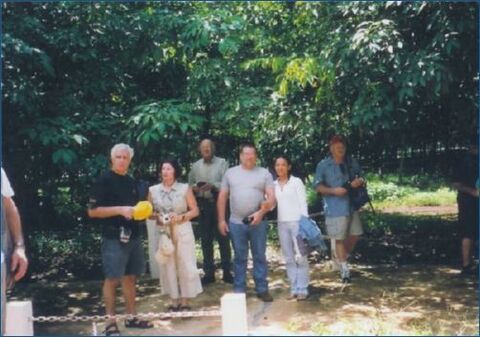 Ern Marshall at The Cross 2002 Ern Marshall
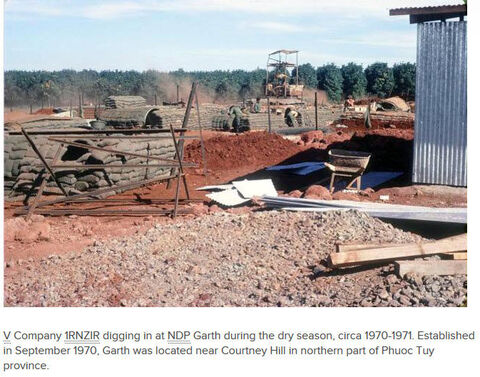 FSB Garth Ern Marshall Unknown
Sources #
- Tours and arm: the Australian War Memorial's record of the unit.
- Contacts: the Battle Map's records of 223 contacts, each report citing the archival source (most often the commanders' diaries, AWM95).
- The dead: the honour roll, with tours of duty from the nominal roll.
- Helicopter missions: No. 9 Squadron RAAF's unit history sheets (National Archives of Australia, A9186, 736), read into the Battle Map's records, with each report's summary written by an AI model (Claude).
- Summaries of the reports: written by an AI model (Claude) from the reports, and reviewed.