
Engineers · September 1965 – December 1971
1st Field Squadron
- Helicopter missions
- 1
- Contacts
- 76
- Operations
- 22
- Dead
- 34
- Australian wounded
- 45
- Enemy killed
- 0
 View unit in Battle MapView missions in Battle Map
Year by year #
76 contacts are recorded for the unit and sub-units, from 23 October 1965 to 11 April 1971. It was the unit in contact in 58 of them, and took part in 18 led by other units.
Unit actions #
In the contacts it led, by the task the report records:
| Task | Contacts | Share |
|---|---|---|
| Security | 24 | 41% |
| Mine incident | 19 | 33% |
| Land clearance | 9 | 16% |
| Transport | 4 | 7% |
| Mine clearance | 1 | 2% |
| Not recorded | 1 | 2% |
Engineer support in 18 contacts led by other units: 1 RAR (13), 1 Armd Regt (2), 1 ATF (1), 5 RAR (1), 9 RAR (1).
Operations #
| Operation | Dates | Contacts | Australians killed | Enemy killed |
|---|---|---|---|---|
| 13/65 | 23 October 1965 | 1 | 0 | 0 |
| 14/65, Hump | 5 November 1965 | 1 | 0 | 0 |
| 16/65, New Life | 21 November 1965 – 4 December 1965 | 2 | 0 | 0 |
| 17/65, Smash | 17 December 1965 | 1 | 0 | 0 |
| 18/65, Marauder | 1 January 1966 | 1 | 0 | 0 |
| 1/66, Crimp | 8 January 1966 | 1 | 0 | 0 |
| 1/66 | 10 January 1966 | 1 | 1 | 0 |
| 3/66, Roundhouse | 4 February 1966 | 1 | 0 | 0 |
| 4/66, Rolling Stone | 19 February 1966 | 1 | 0 | 0 |
| 6/66, Silver City | 9 March 1966 | 1 | 0 | 0 |
| Silver City | 17 March 1966 | 1 | 0 | 0 |
| 7/66, Abilene | 30 March 1966 | 1 | 0 | 0 |
| Hardihood | 12 June 1966 – 23 June 1966 | 2 | 1 | 0 |
| Casula | 27 September 1966 – 24 December 1966 | 4 | 0 | 0 |
| Leeton | 9 May 1967 – 30 May 1967 | 3 | 5 | 0 |
| TAOR | 24 March 1968 – 23 August 1969 | 3 | 0 | 0 |
| Lyre Bird | 1 August 1968 – 2 August 1968 | 2 | 0 | 0 |
| Backbone | 21 October 1969 | 1 | 1 | 0 |
| Frangimus 4 | 8 April 1970 | 1 | 0 | 0 |
| Concrete | 22 April 1970 – 24 April 1970 | 2 | 1 | 0 |
| Cung Chung | 19 June 1970 | 1 | 0 | 0 |
| Briar Patch 1 | 11 April 1971 | 1 | 0 | 0 |
Air support #
No. 9 Squadron RAAF's unit history records 1 helicopter missions flown for 1 Fd Sqn, from 29 August 1969 to 29 August 1969.
| Mission | Missions | Share |
|---|---|---|
| Troop Lift | 1 | 100% |
View the missions in Battle Map
Notable contacts #
23 October 1965: Deployment, Operation 13/65 #
First · Engineer support for 1 RAR
Operation 13/65, 1 RAR's search-and-destroy operation north-east of the US 173rd Airborne Brigade's base at Bien Hoa, with a troop of armoured personnel carriers, 3 Field Troop, and 105 Field Battery and New Zealand's 161 Battery in direct support.
10 January 1966: Installation, Operation 1/66 #
Significant · Engineer support for 1 RAR
Australian: 1 killed.
Engineers of 3 Field Troop pumped smoke and CS gas into tunnels found by B Company, 1 RAR, to reveal other entrances and deny them to the enemy. An engineer corporal inspecting a shaft was overcome by the gas and lack of air, and was dead when rescuers reached him; two of those who tried to reach him were evacuated. Documents, food, medical stores and a booby-trapped trapdoor were found in the tunnels and caches.
17 March 1966: Mine/Booby trap, Operation Silver City #
Significant · Engineer support for 1 RAR
Australian: 4 wounded.
A Claymore mine went off in front of a small transport vehicle carrying rice out of a captured cache for B Company, 1 RAR, wounding two sappers of 3 Field Troop and an American soldier.
12 June 1966: Patrol, Operation Hardihood #
Significant · Engineer support for 5 RAR
Australian: 1 killed, 3 wounded.
D Company, 5 RAR, was sweeping the north-east of Hoa Long for enemy mortar positions when its force came under light mortar fire. One Australian was killed and three wounded, from D and E Platoon, 1 APC Squadron and 1 Field Squadron. Radar placed the mortars at Long Phuoc village, and artillery fired on them with unknown results.
9 May 1967: Security, Operation Leeton #
Significant · 1 Fd Sqn in contact
Australian: 2 killed, 4 wounded.
A sapper of 1 Field Squadron set off an M16 mine while laying it in the barrier minefield. Six were wounded, two of whom later died.
20 May 1967: Contact, Operation Leeton #
Significant · 1 Fd Sqn in contact
Australian: 2 killed.
Two engineers of 1 Field Squadron were killed when an anti-lift device went off while they were laying M16 mines in the barrier minefield.
30 May 1967: Security, Operation Leeton #
Significant · 1 Fd Sqn in contact
Australian: 1 killed, 2 wounded.
While laying the barrier minefield, a member of a mine-arming party from 7 RAR's assault pioneers set off an M16 mine, killing one sapper of 1 Field Squadron and wounding two.
16 December 1967: Security #
Typical: security · 1 Fd Sqn in contact
Australian: 2 wounded.
1 Field Squadron was helping a South Vietnamese battalion repair the minefield between Dat Do and Phuoc Hai when a South Vietnamese soldier stepped on an M16 mine. He was killed; two Australians and four South Vietnamese were wounded.
1 August 1968: Land Clearance, Operation Lyre Bird #
Typical: land clearance · 1 Fd Sqn in contact
Australian: 1 wounded.
The land-clearing team of 1 Field Squadron was working around the Nui Thi Vai and Nui Dinh mountains when two enemy fired a rocket-propelled grenade and rifles at a D8 bulldozer, setting it alight and wounding the driver in the head, chest and legs. The engineers could not put the fire out, so pushed the bulldozer into a cutting and buried it; it was recovered to Nui Dat the next day.
24 May 1969: Transport #
Typical: transport · 1 Fd Sqn in contact
Australian: 3 wounded.
Two bulldozers of 1 Field Squadron set off three M16 mines at the edge of a village south-east of Long Dien. Three Australians were wounded, including a driver and a soldier walking behind, and the bulldozers were slightly damaged.
21 October 1969: Contact, Operation Backbone #
Typical: mine incident · 1 Fd Sqn in contact
Australian: 1 killed, 1 wounded.
A small team of 1 Field Squadron clearing a road block on Route 326, working with B Squadron, 1 Armoured Regiment, set off a mine or booby trap. One Australian was killed and one wounded.
9 November 1969: Contact #
Significant · 1 Fd Sqn in contact
Australian: 4 wounded.
The mine-clearing team of 1 Field Squadron set off an M16 mine 300 metres north of Phuoc Loi. Four Australians were wounded.
22 April 1970: Contact, Operation Concrete #
Significant · 1 Fd Sqn in contact
Australian: 1 killed, 4 wounded.
Engineers of 1 Field Squadron and A Company, 6 RAR/NZ, set off an M16 mine on a bullock track into a clearing in the jungle seven kilometres south of Xuyen Moc, after at least four men had already walked over it. One Australian was killed and four wounded. The mine had been laid after 8 RAR left the area, beside a Viet Cong marker of a broken branch; the company commander warned that clearings likely to be used as landing zones, and the tracks into them, should be expected to be mined.
11 April 1971: Contact, Operation Briar Patch 1 #
Last · 1 Fd Sqn in contact
A mine-clearing tank of 1 Field Squadron set off a 60- to 80-pound mine in the jungle off Route 328, which badly damaged the tank. It could not be determined whether the mine was command- or pressure-detonated.
Roll of honour #

The unit's 34 dead on the honour roll: those on a tour with the unit when they died, and reinforcements killed in the unit's contacts. Each opens their entry on the honour roll.
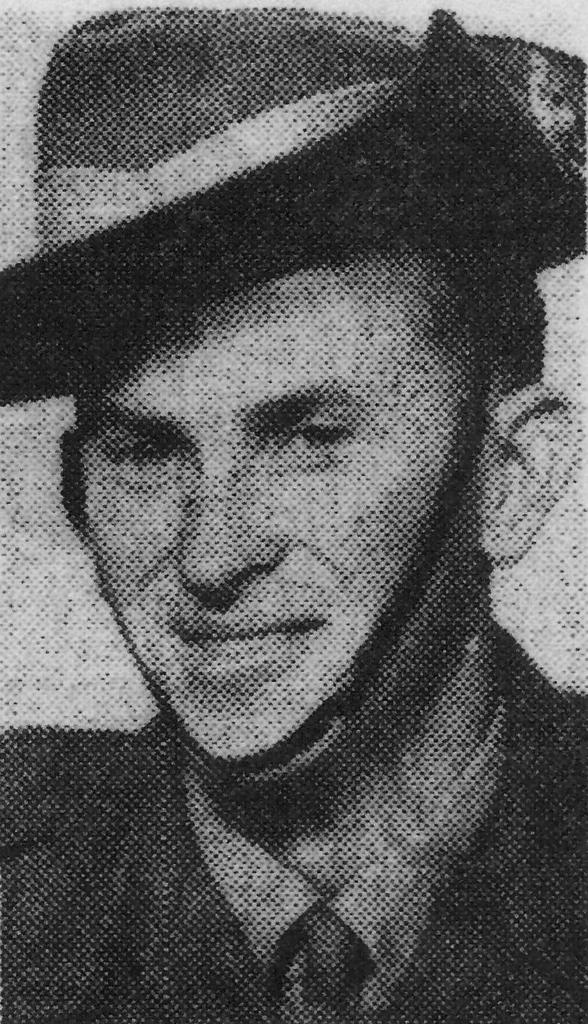 Leslie Prowse
Sapper
25 July 1966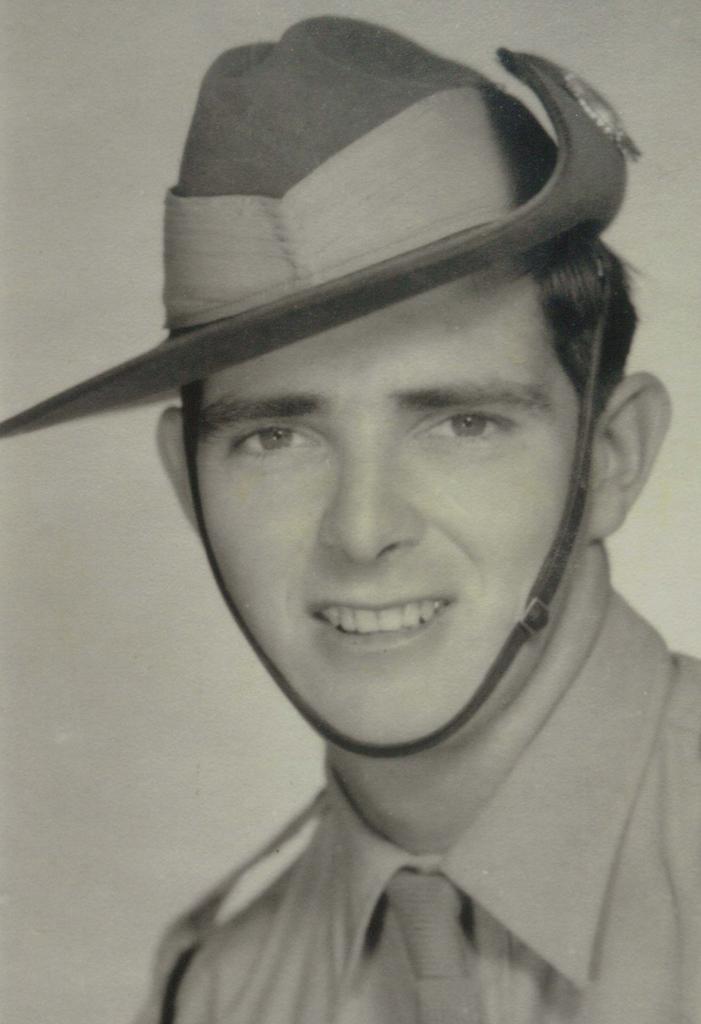 Ramon John Peter Deed
Sapper
10 May 1967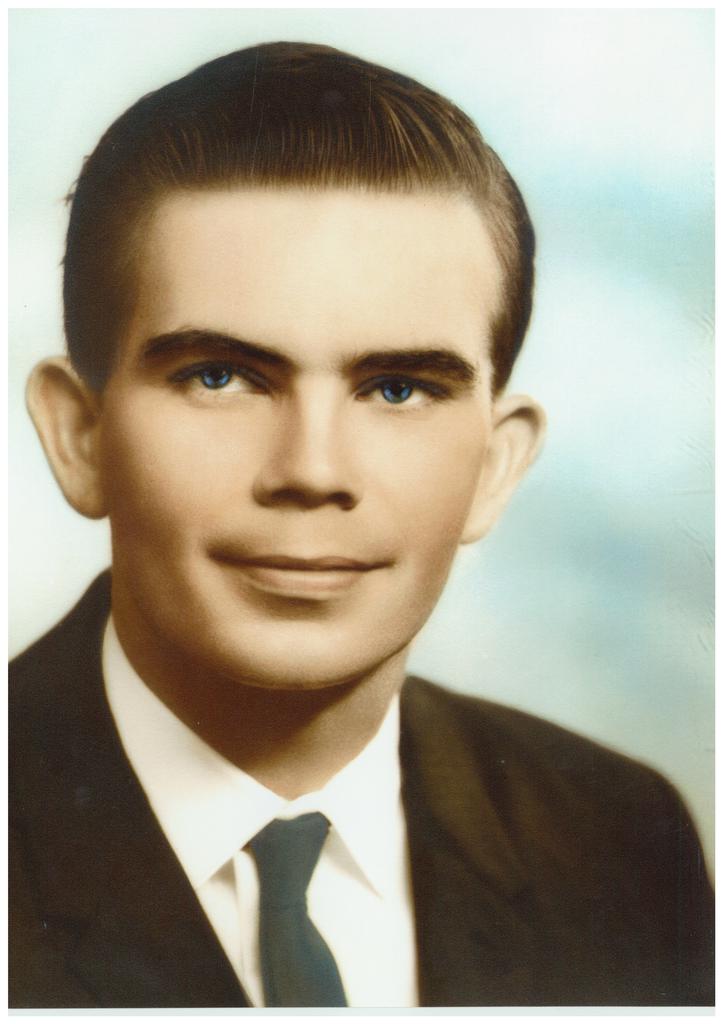 Glen Trevor Bartholomew
Sapper
18 May 1967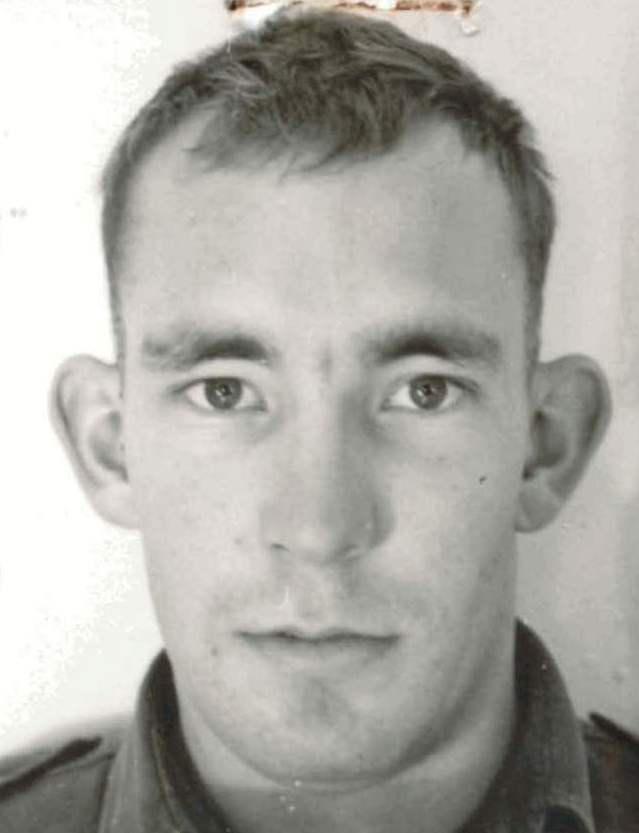 Gregory Vincent Brady
Sapper
20 May 1967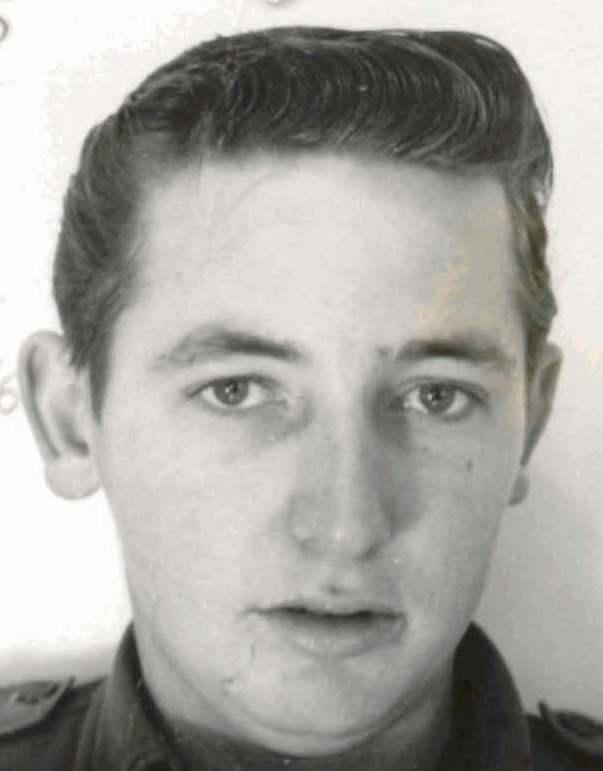 John Laurence O'hara
Sapper
20 May 1967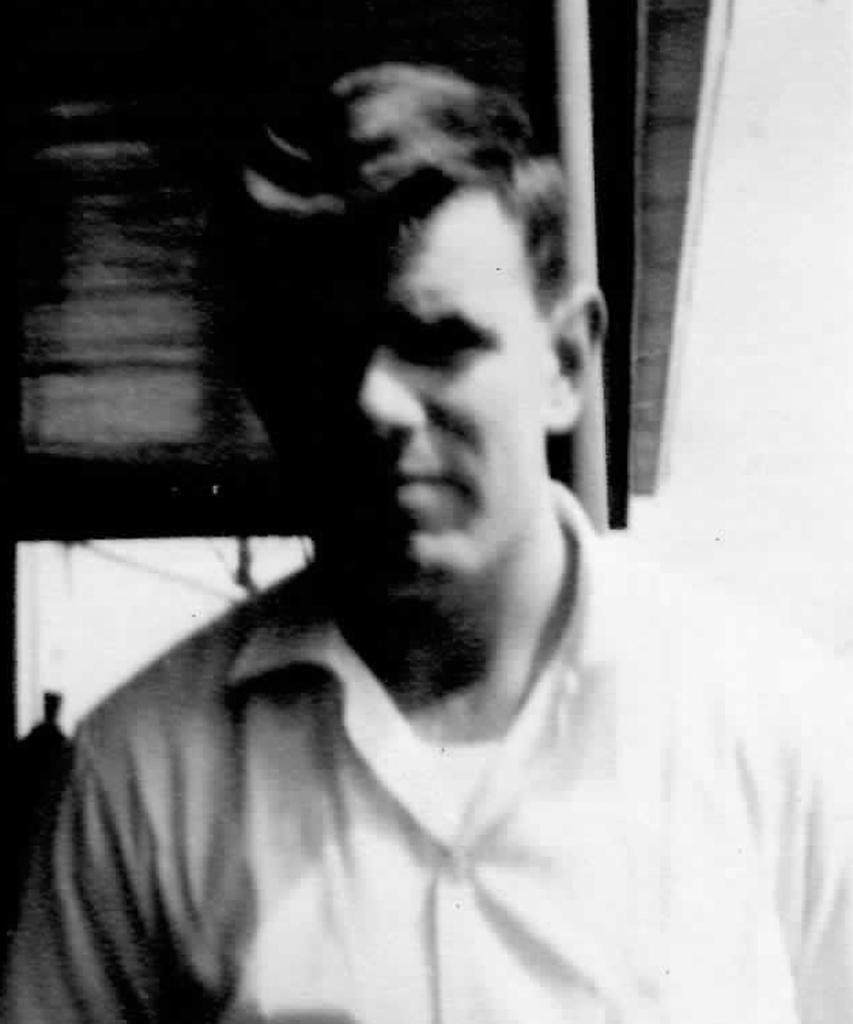 Dennis Lindsay Brooks
Sapper
22 May 1967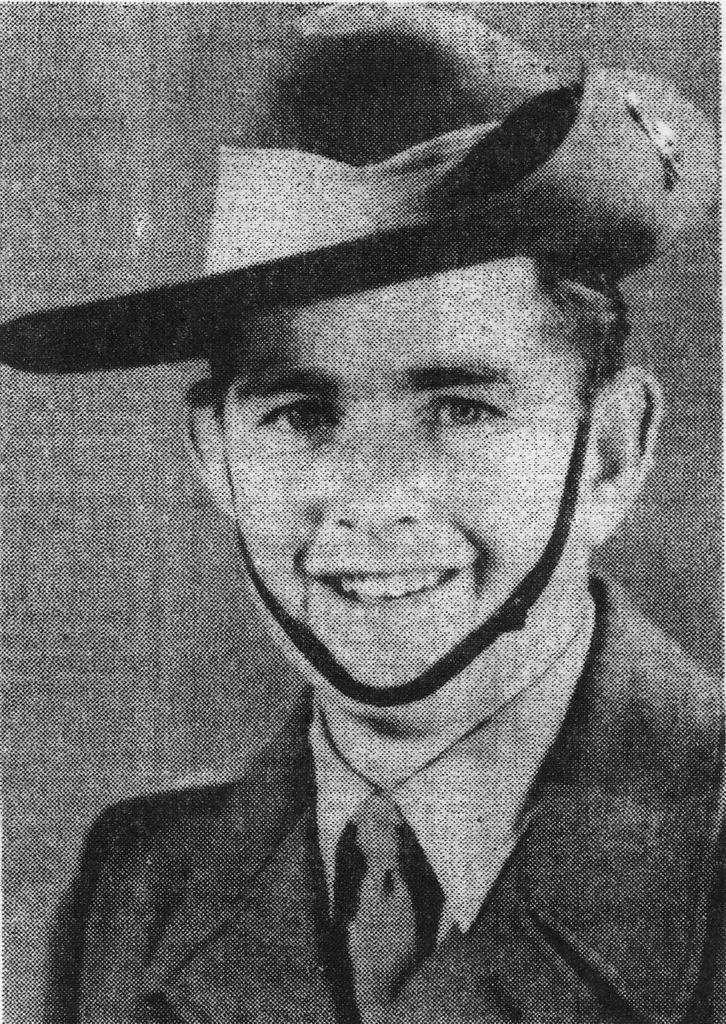 Terrence James Renshaw
Sapper
30 May 1967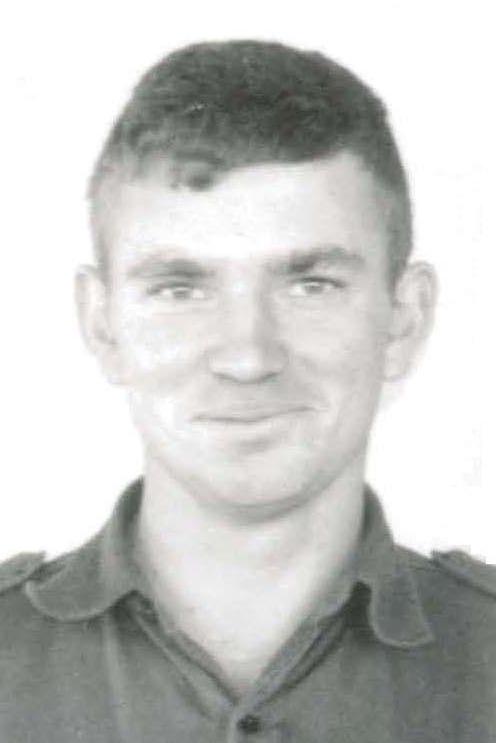 Donald Spence Wride
Sapper
10 July 1967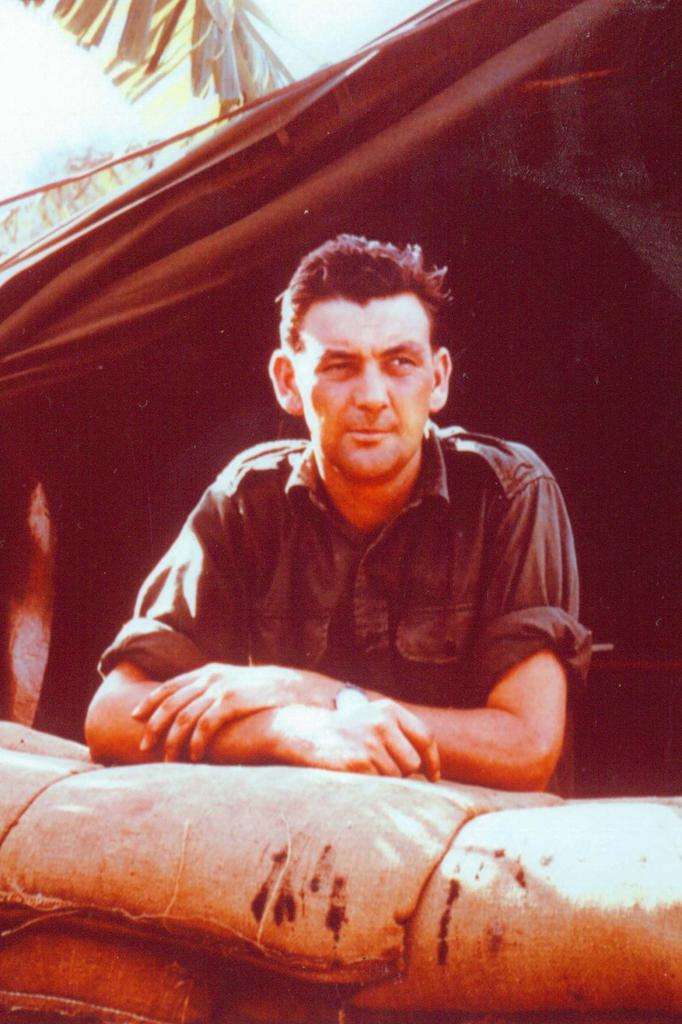 Barry John Moore
(Temporary) Warrant-Officer Class 2
16 November 1967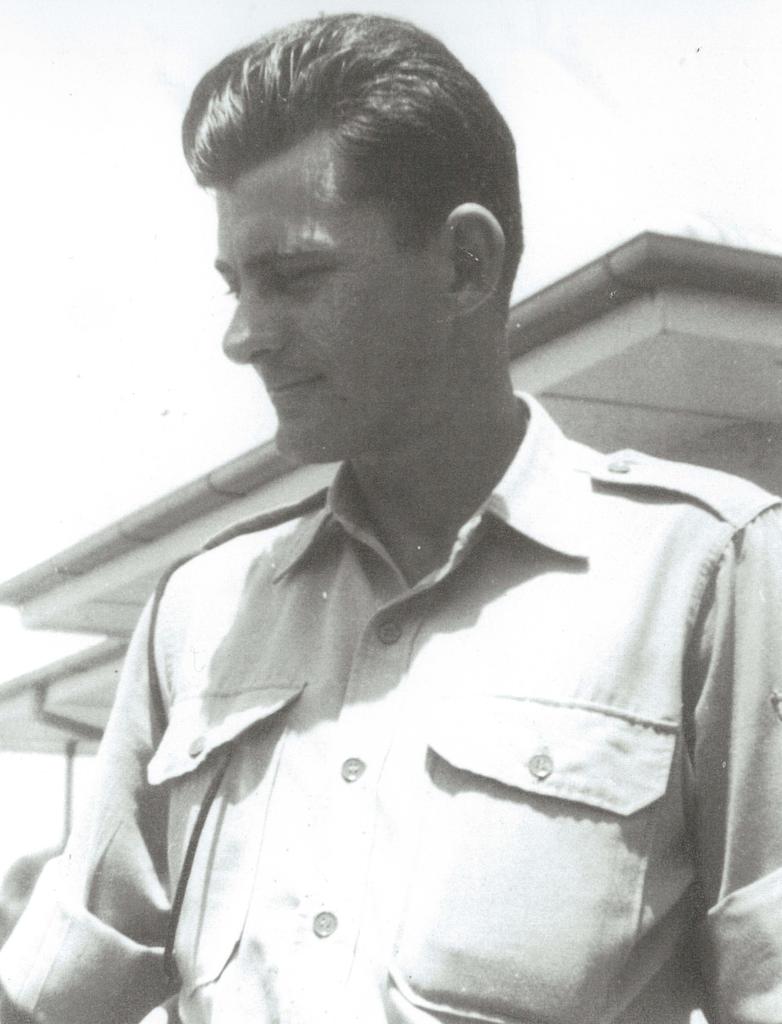 Maurice John Hutchison
(Temporary) Corporal
16 November 1967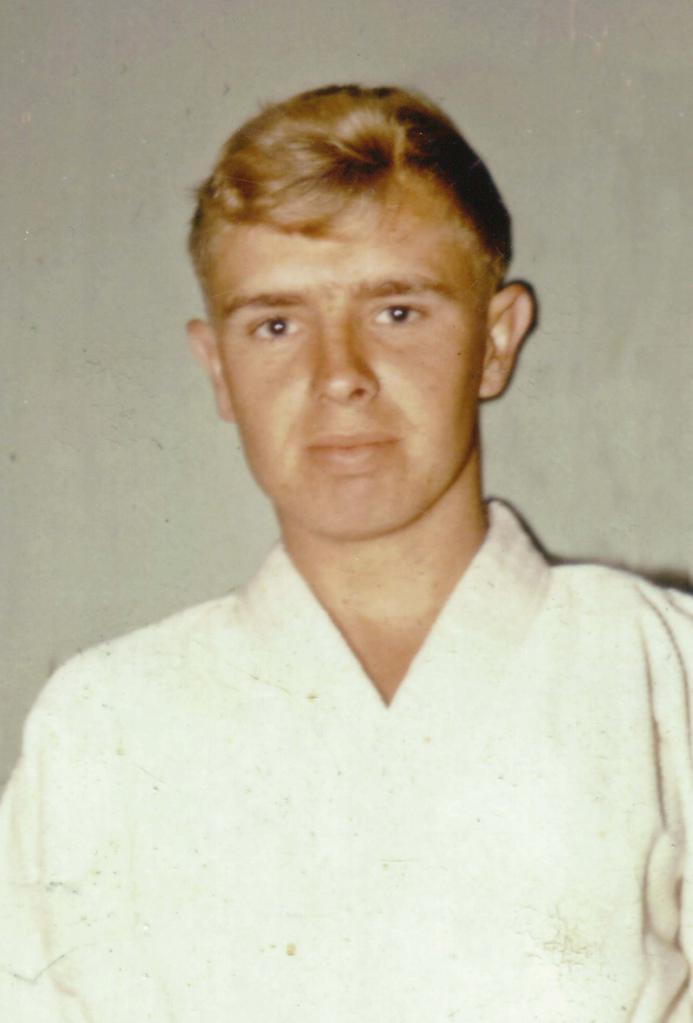 Allan Graham Pattison
Sapper
18 February 1968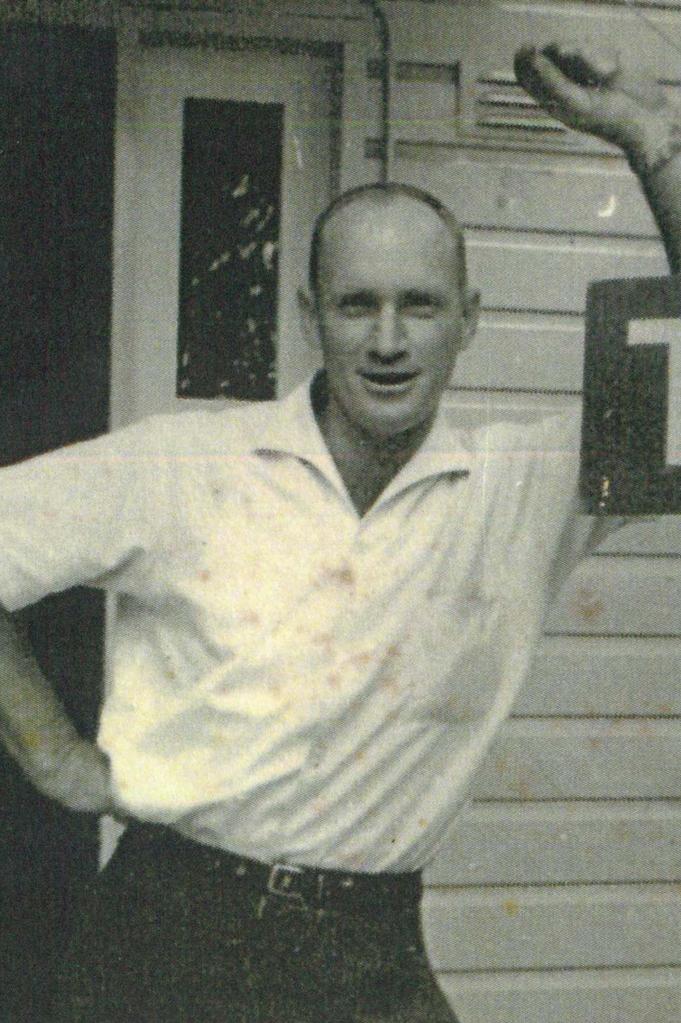 Colin William Mclachlan
Sergeant
18 February 1968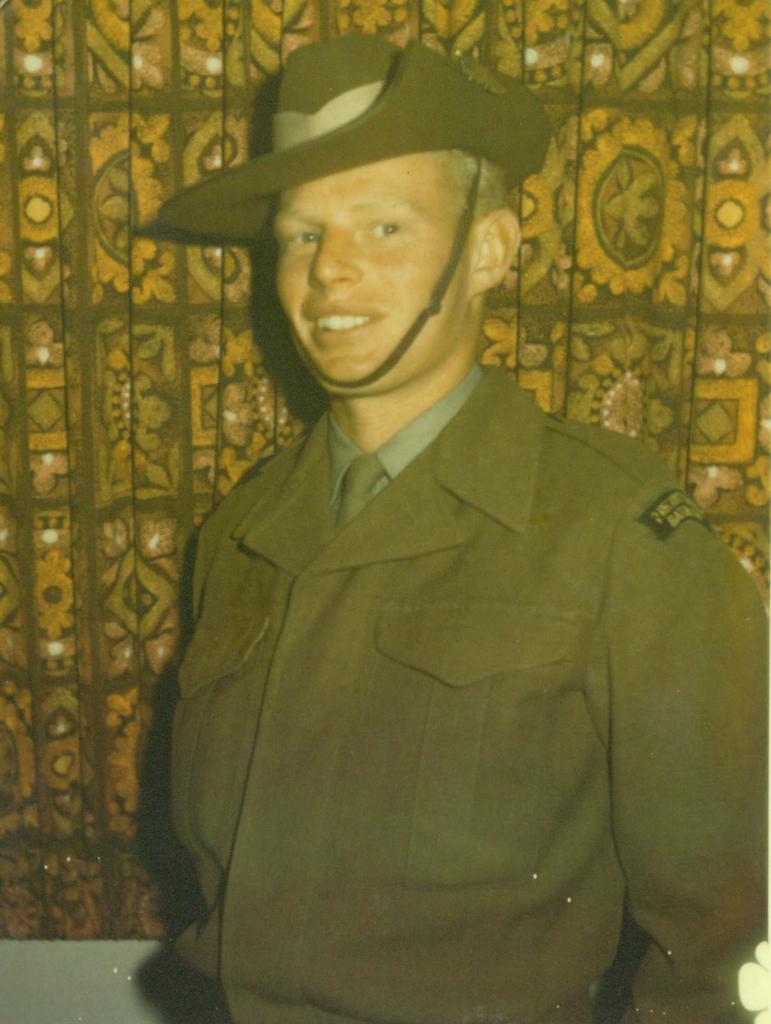 David John Steen
Sapper
18 February 1968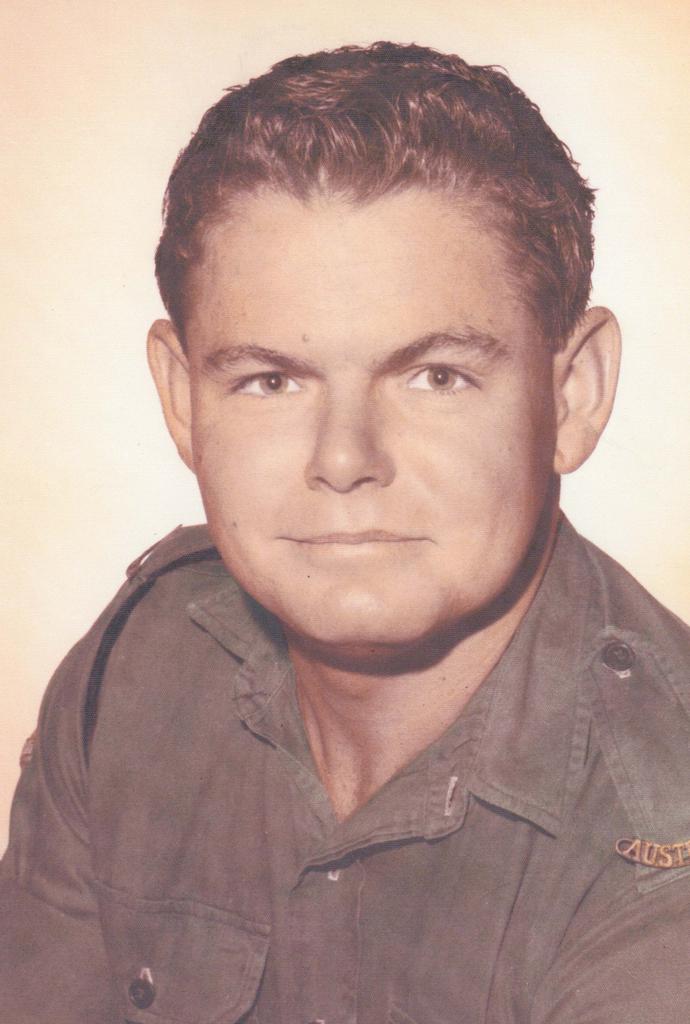 John Edgar Garrett
Lance-Corporal
18 February 1968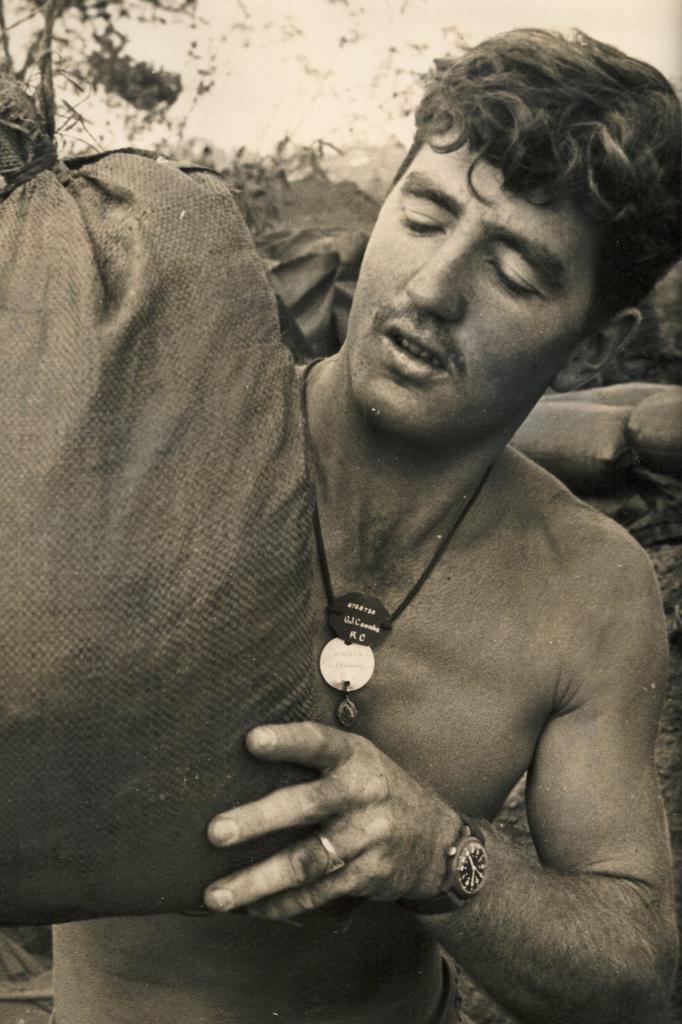 Geoffrey John Coombs
Sapper
22 March 1968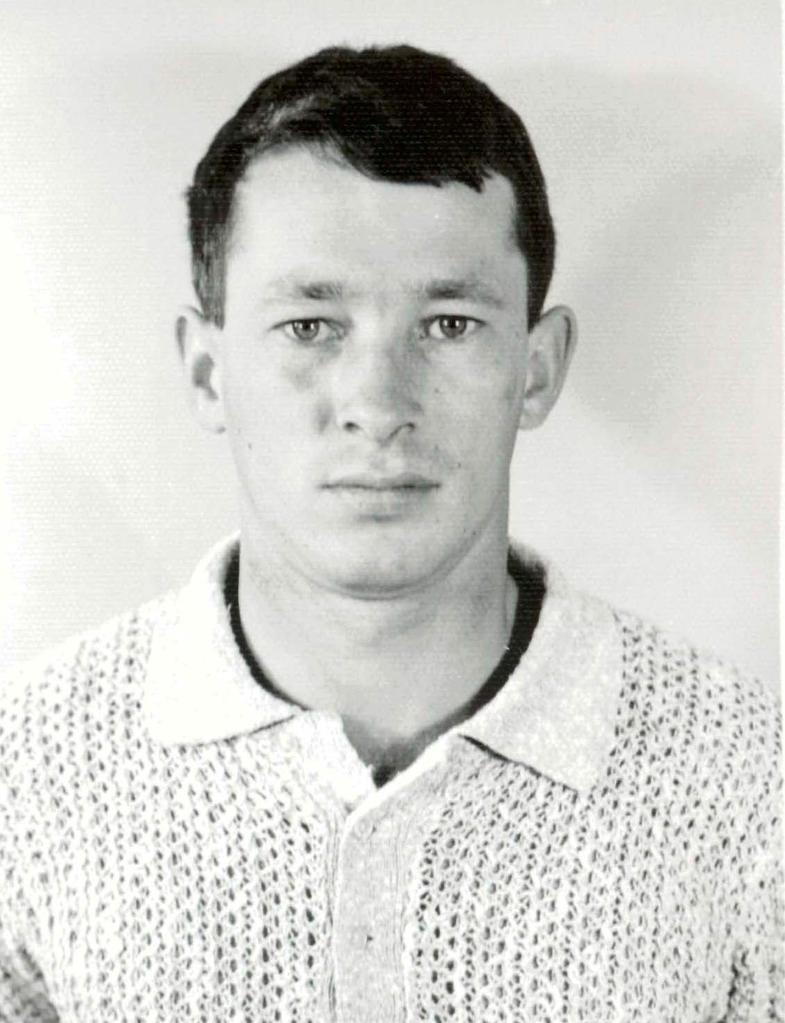 Vincent John Tobin
Sapper
22 March 1968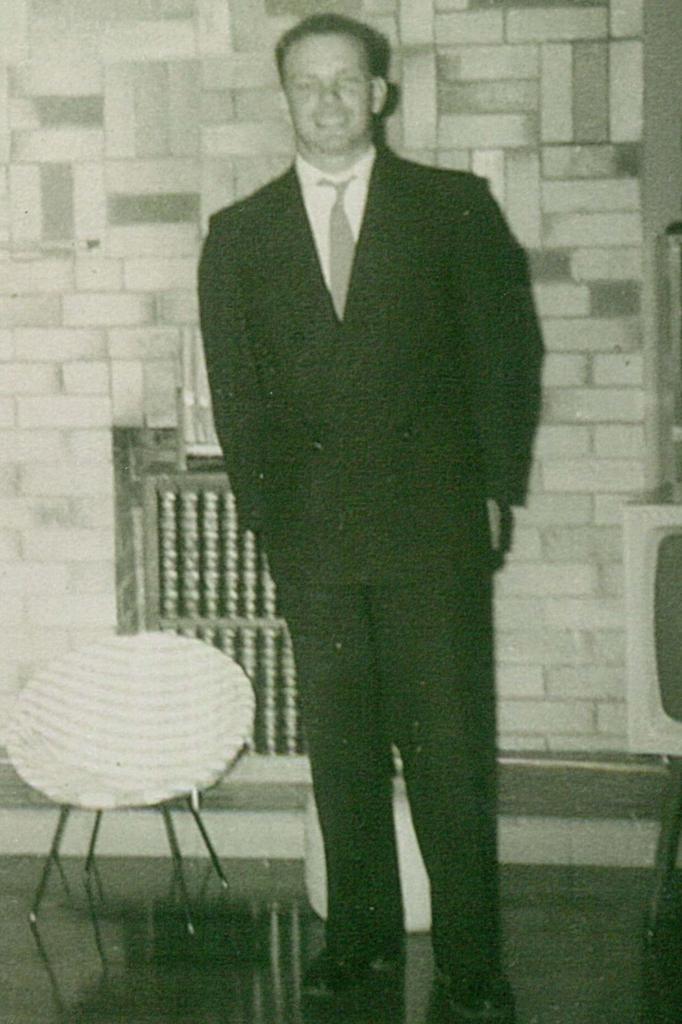 Peter James Gollagher
Staff Sergeant
5 April 1968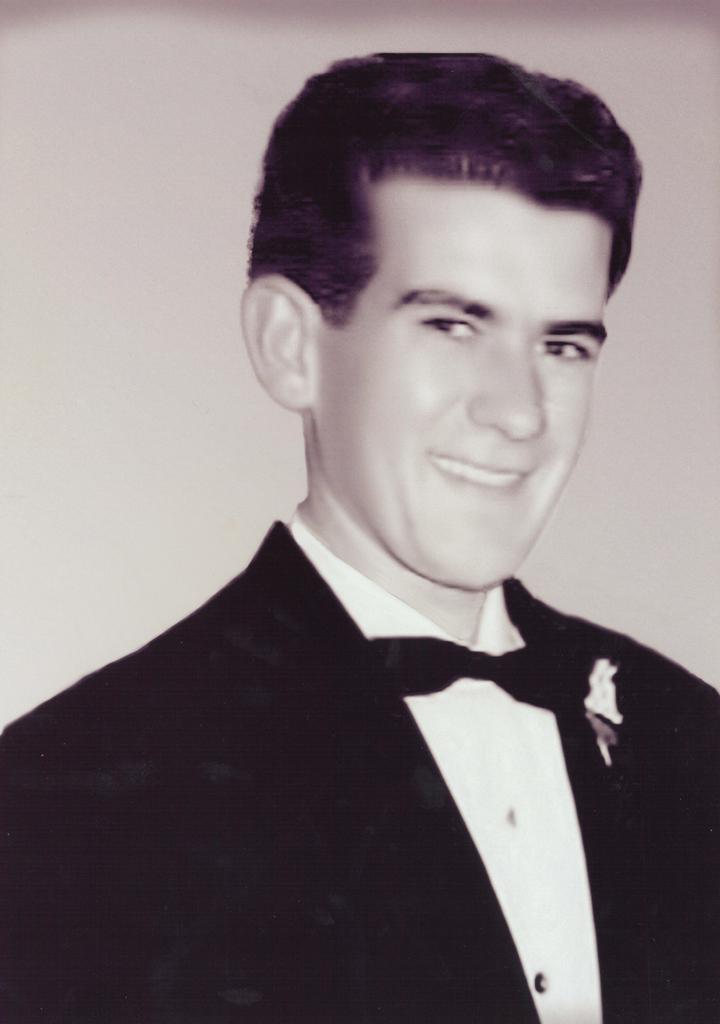 Kenneth Roy Nicholson
Sapper
12 April 1968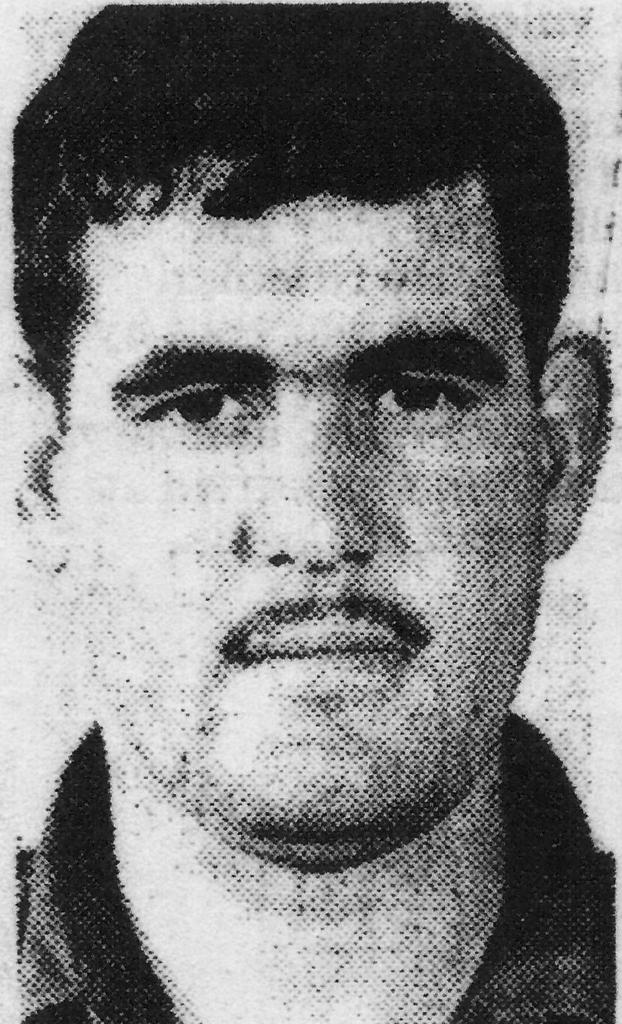 Norman William Le Bherz
Sapper
14 September 1968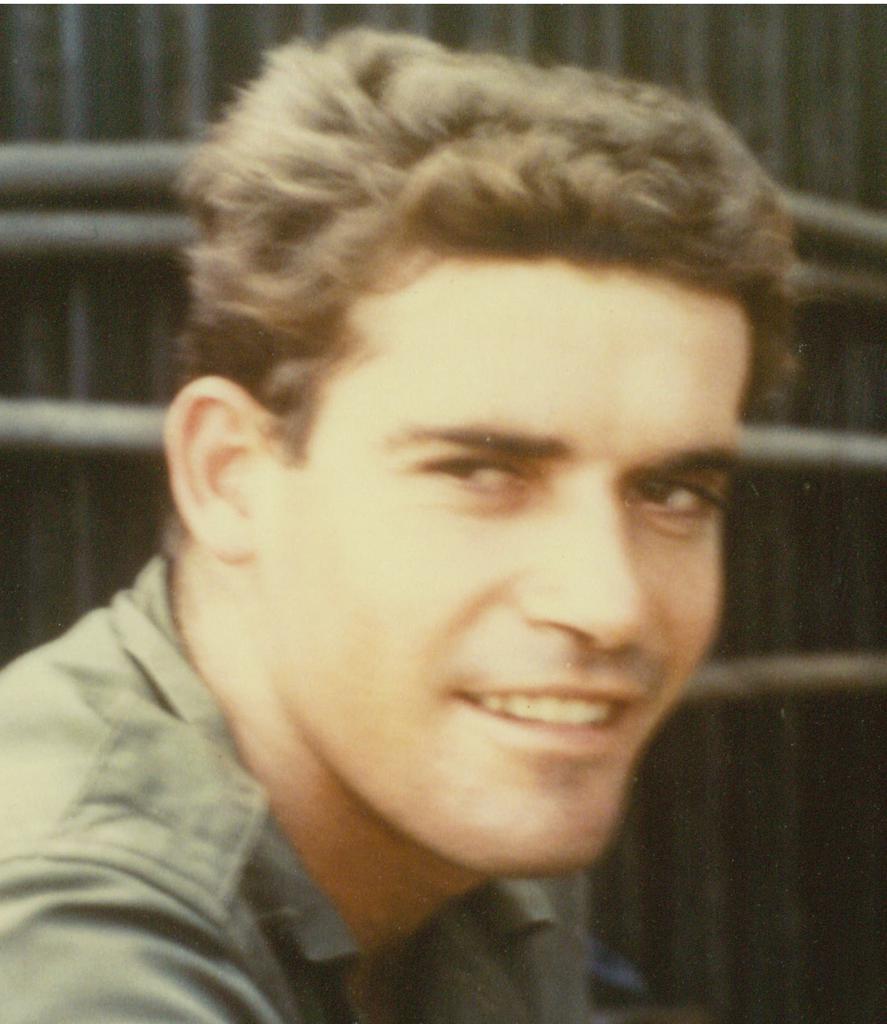 Peter John Bramble
Sapper
22 May 1969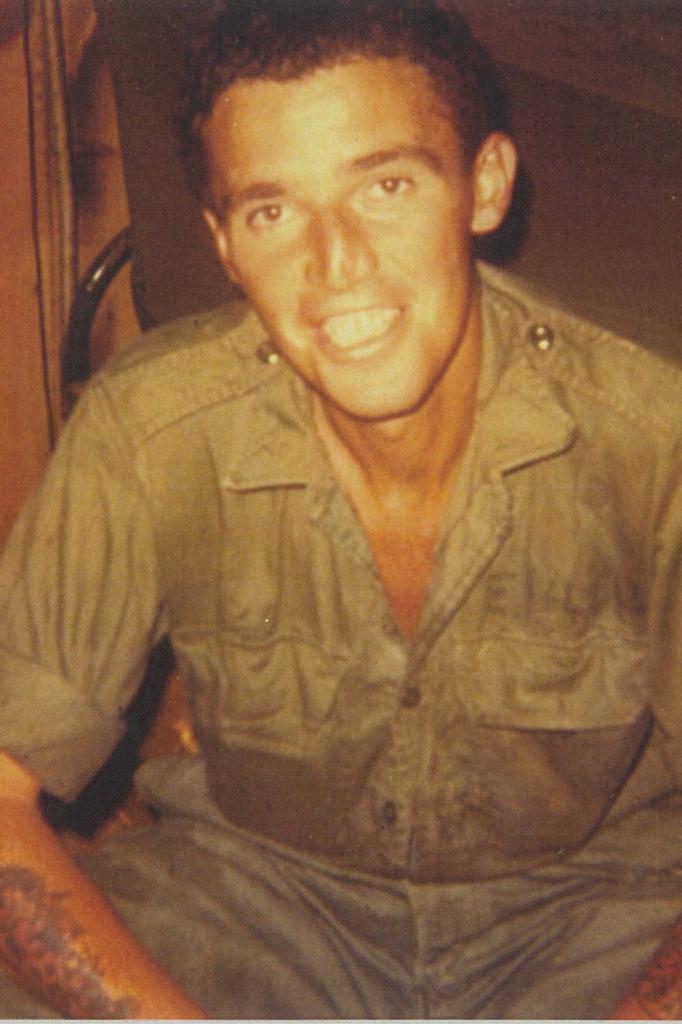 Ronald Edward Davies
Sapper
28 May 1969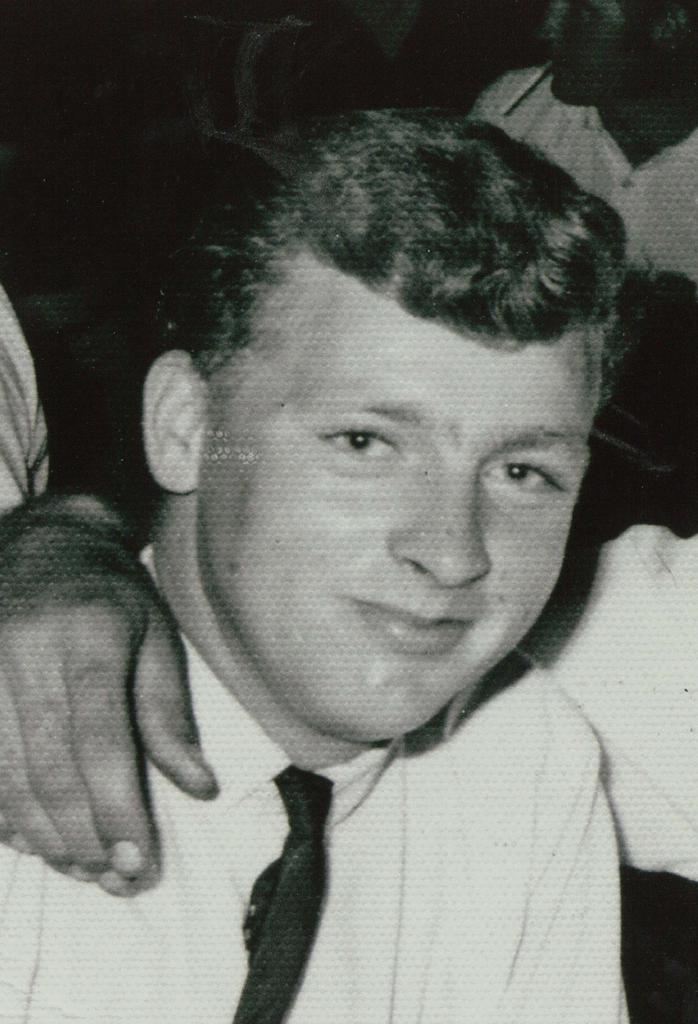 John Smith
Sapper
23 July 1969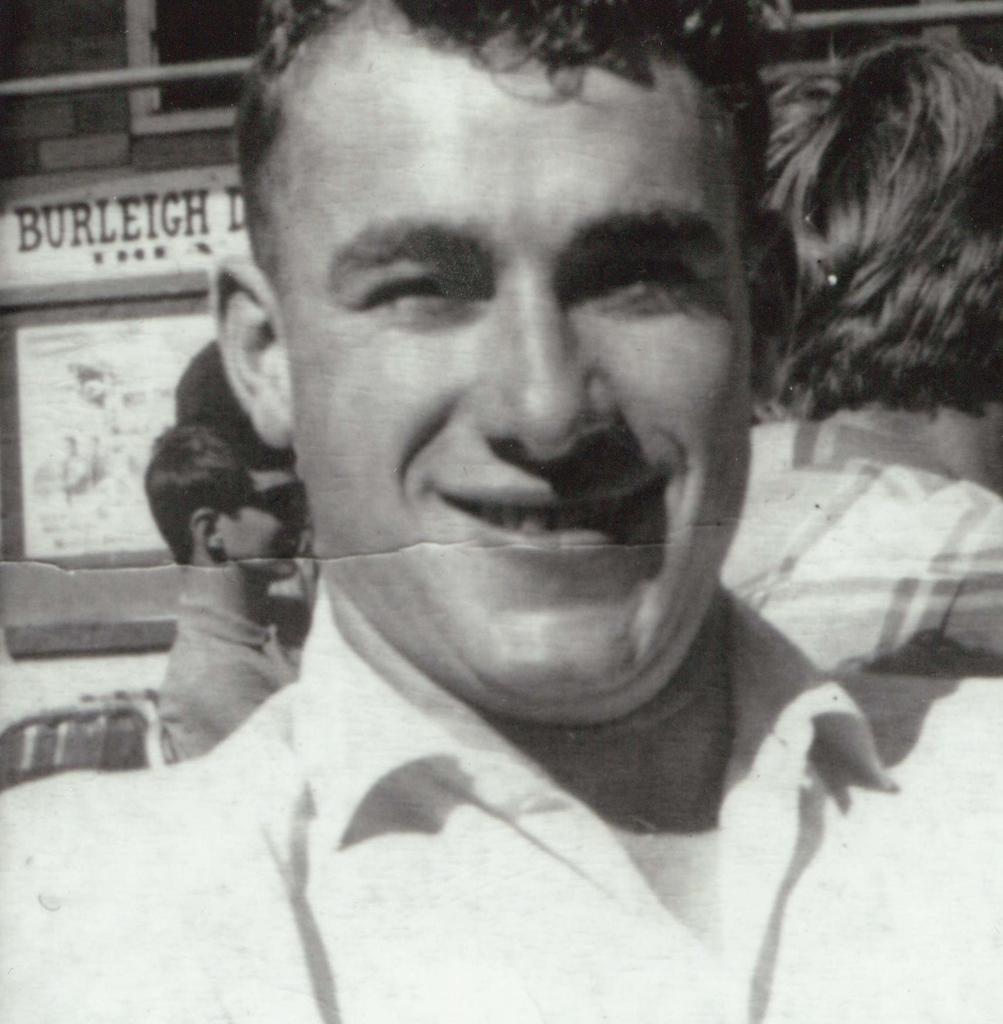 Ronald George Smillie
Sapper
23 July 1969 Bryant Victor Hansen
Lance-Corporal
21 October 1969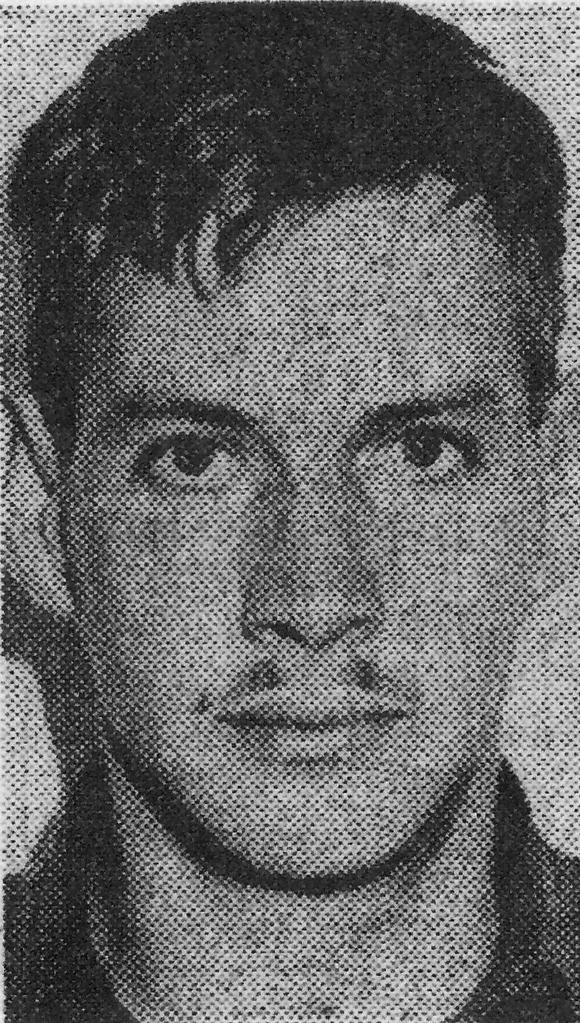 Alan Leslie Duncuff
Sapper
25 October 1969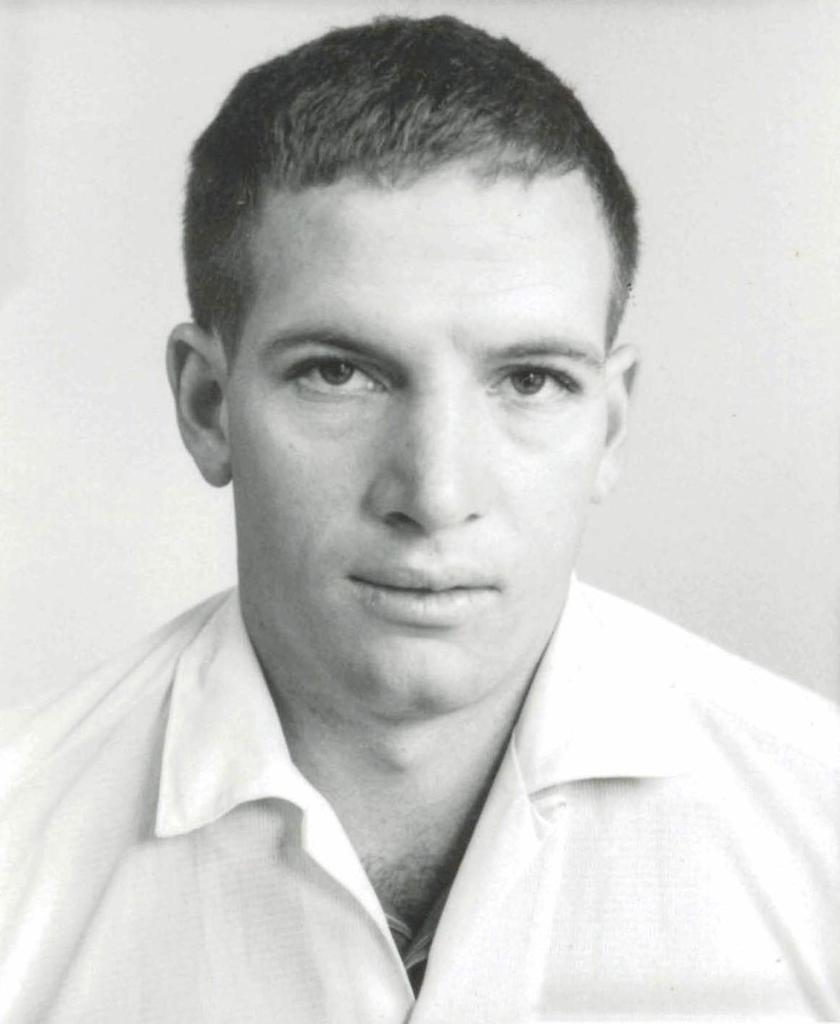 Anthony Lisle
Sapper
12 November 1969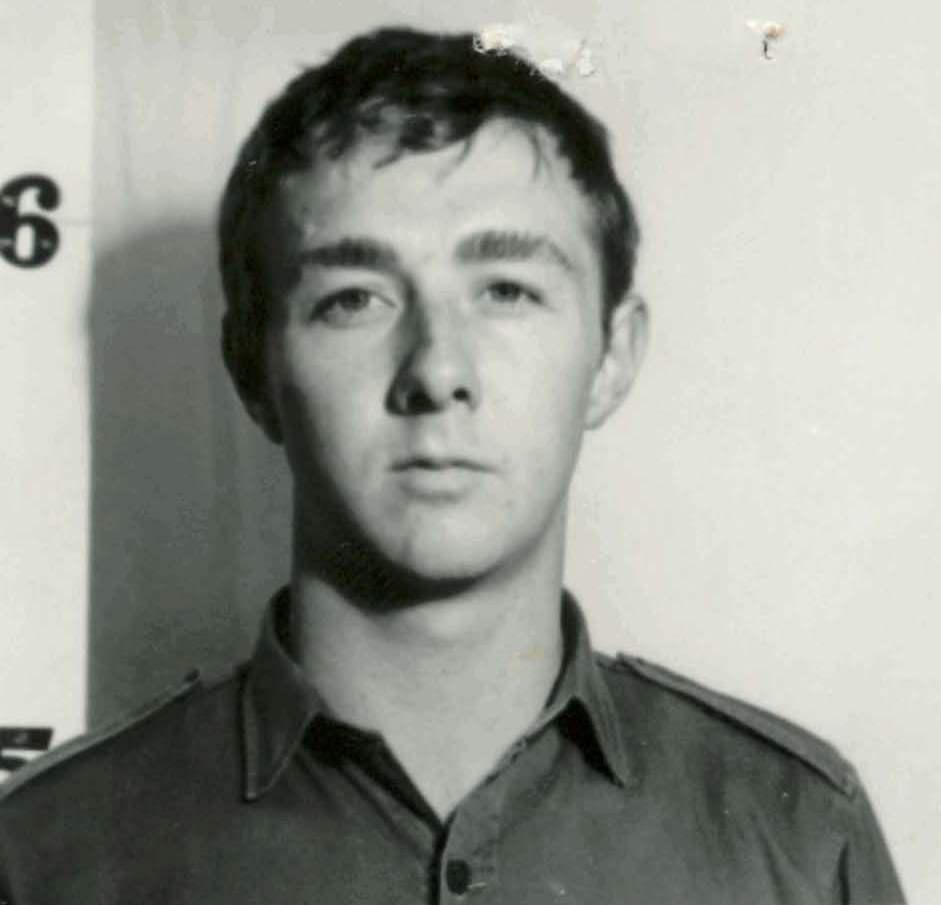 John Gerald Greene
Sapper
8 December 1969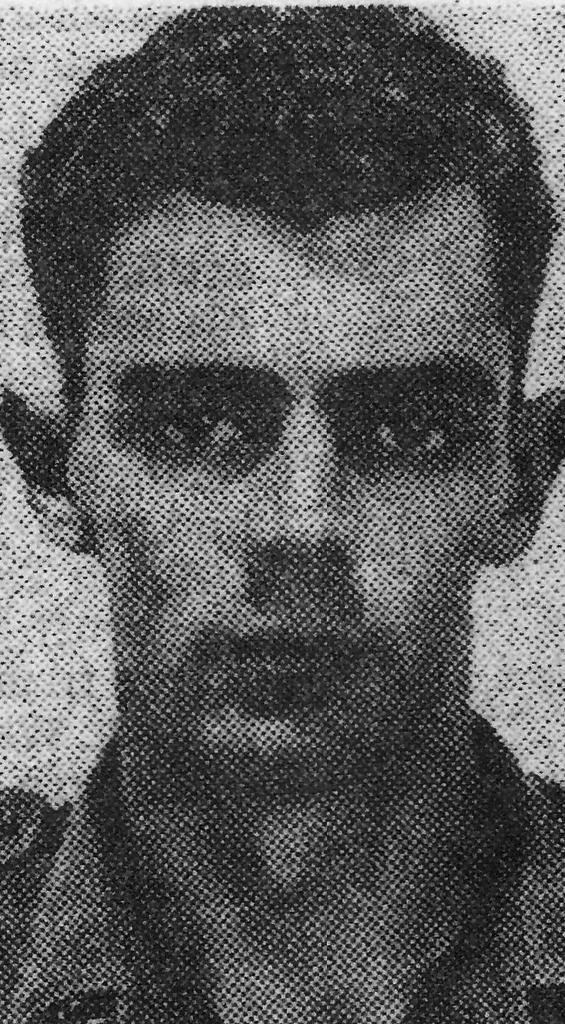 Anthony Edward Hollis
Sapper
30 January 1970 Ronald John Engstrom
Corporal
30 January 1970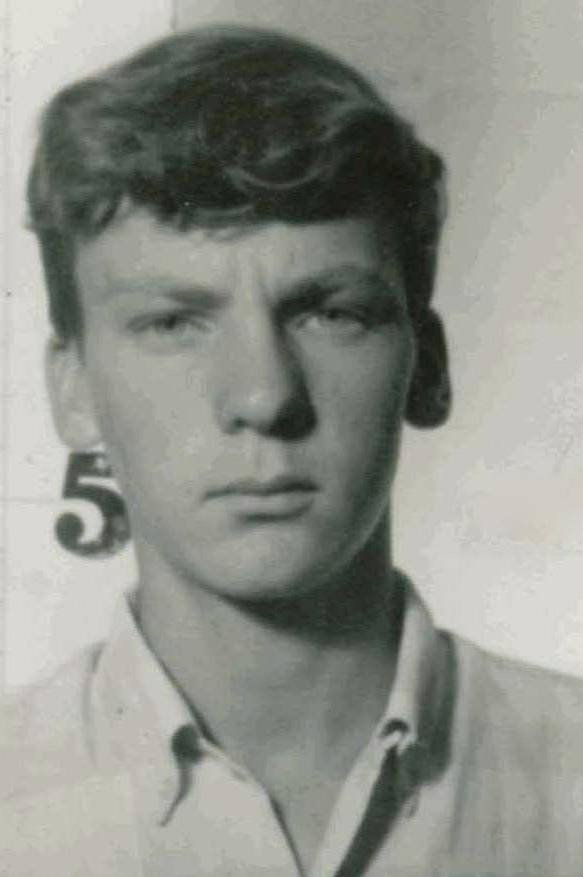 Rodney Noel Hubble
Sapper
28 February 1970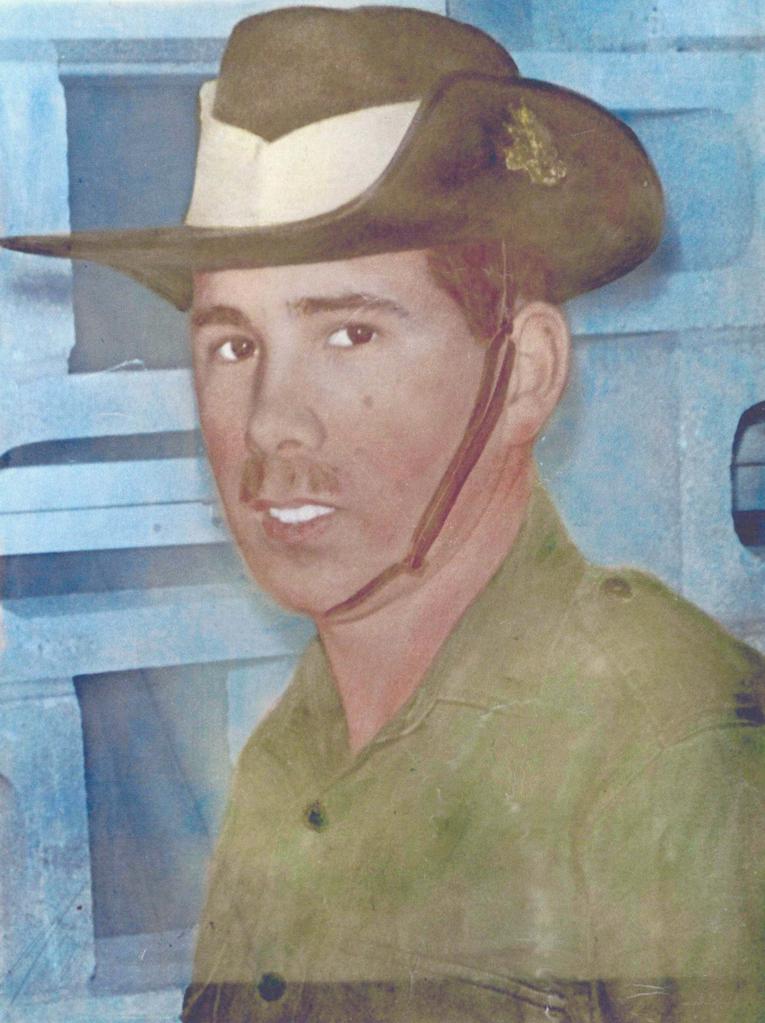 Harold Walter Hurst
Sapper
29 April 1970 Ian Neil Scott
Sapper
14 June 1970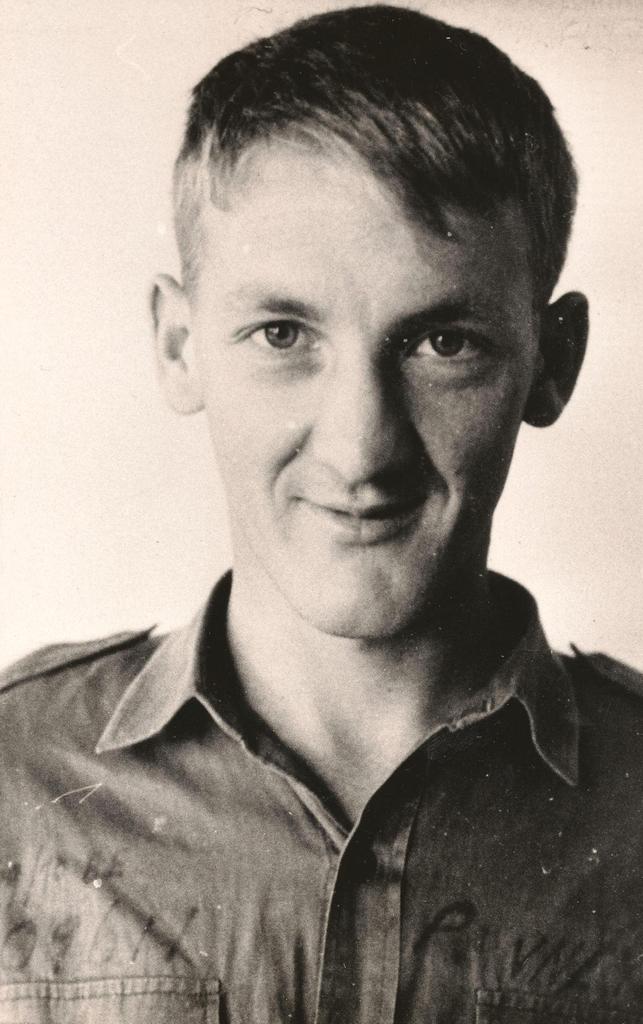 Peter Lawrence Penneyston
Sapper
2 August 1970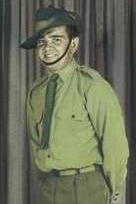 Robert Barclay Wilson
Sapper
16 July 1971
Photographs #
From the site's collection: pictures linked to the unit's contacts, and others taken near them at the time. Each opens on the Battle Map.
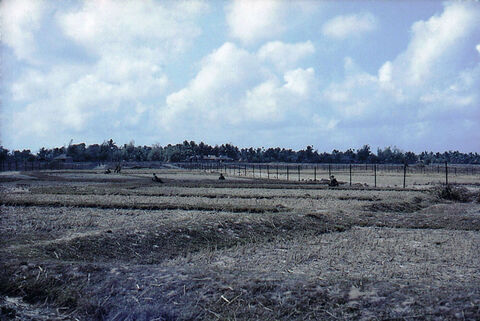 B Company 5 RAR entering fence, moving south towards Xa Phuoc Loi 29.3.67 errol999, 29 March 1967
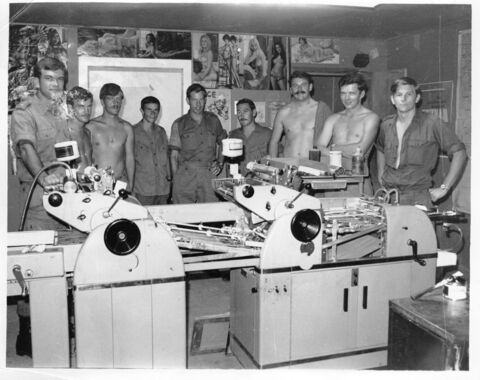 1 Australian Psychology Operations Unit (! Psyops Unit) printing room with psyops staff. Playboy centerfolds behind then on the wall. 1 September 1970
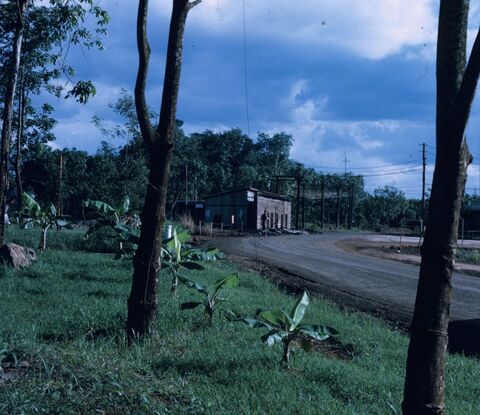 1 ATF Power plant before fire 1 March 1970
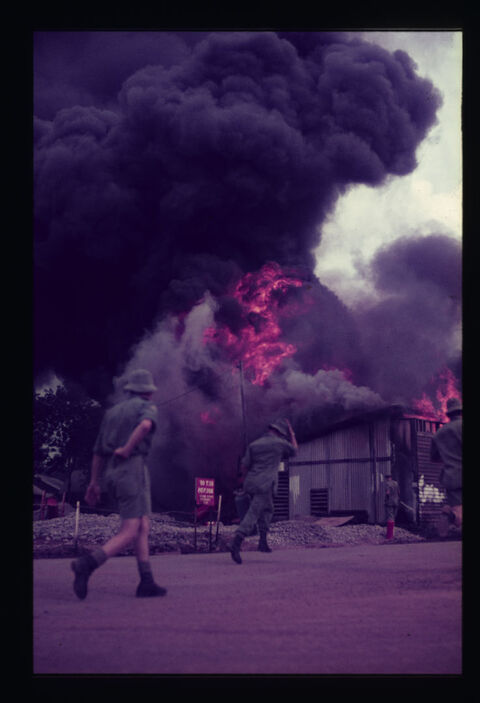 1 ATF Diesel Power Plant fir circa 1970. Plant completely destroyed by fire 1 July 1970
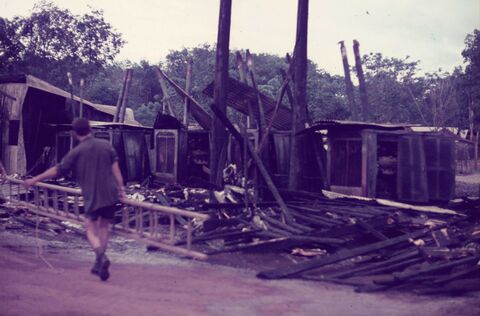 Remains of Power Plant after the fire. 1 June 1970
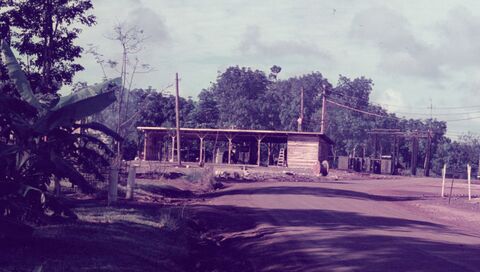 New Power Plant Building after the fire that destroyed the former one. 30 June 1970
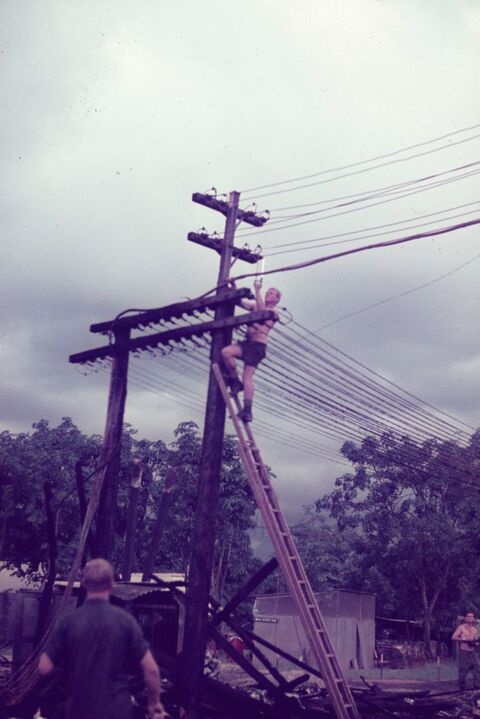 Engineers laying the new Power lines that burnt down during the fire that destroyed the Power Plant. 28 June 1970
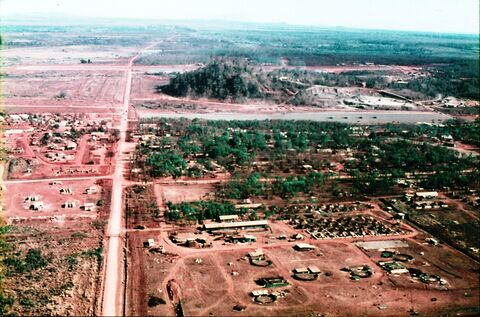 Nui Dat looking north. TBA, 1 August 1966
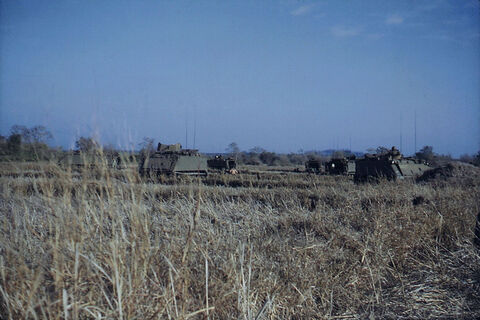 Australian M113 APCs at Laager, the crews having breakfast inside the area that was fenced immediately east of Xa Phuoc Loi. This area became part of the … errol999, 8 April 1967
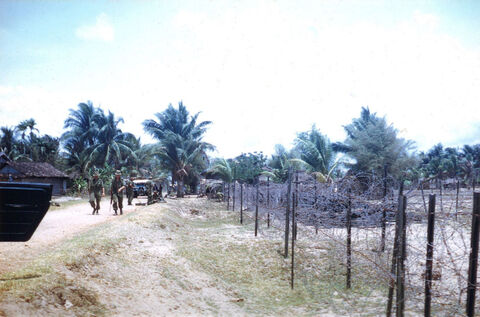 Lt. A.E. (Ted) Pott and Corporal Bobby Harboard walking south out of Xa Phuoc Loi on Route 44. The Australian Engineers had advised us that the barbed wire … errol999, 9 April 1967
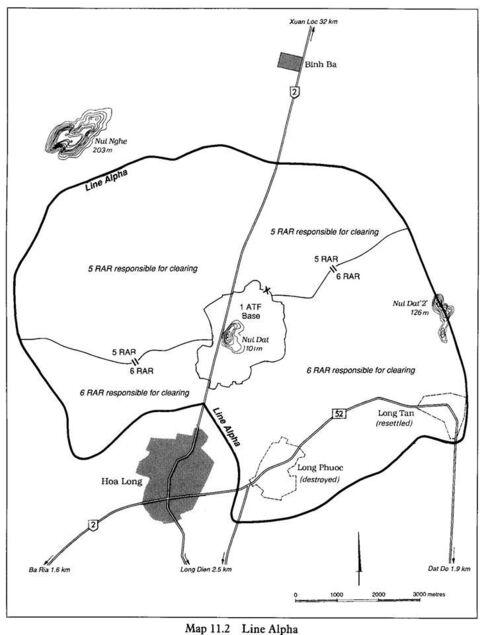 Outline of Line Alpha. This was the line that patrols could work in so they had artillery and mortar fire to support them. This was completed while Nui Dat … 1 August 1966
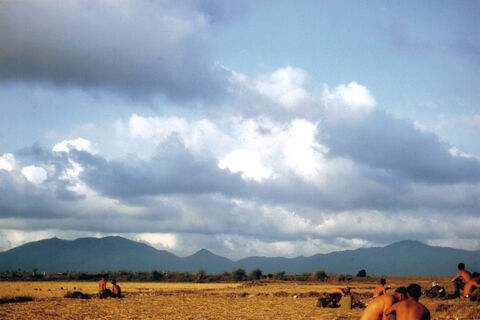 The Long Hai Hills viewed from immediately south of Xa Phuoc Loi during breakfast in the fenced minefield 6 Pl 5 RAR 8.4.67 errol999, 8 April 1967
Sources #
- Tours and arm: the Australian War Memorial's record of the unit.
- Contacts: the Battle Map's records of 76 contacts, each report citing the archival source (most often the commanders' diaries, AWM95).
- The dead: the honour roll, with tours of duty from the nominal roll.
- Helicopter missions: No. 9 Squadron RAAF's unit history sheets (National Archives of Australia, A9186, 736), read into the Battle Map's records, with each report's summary written by an AI model (Claude).
- Summaries of the reports: written by an AI model (Claude) from the reports, and reviewed.