
Infantry · May 1965 – June 1966, April 1968 – February 1969
1st Battalion, Royal Australian Regiment
- Helicopter missions
- 25
- Contacts
- 674
- Operations
- 52
- Dead
- 56
- Australian wounded
- 256
- Enemy killed
- 408
 View unit in Battle MapView missions in Battle Map
Year by year #
674 contacts are recorded for the unit and sub-units, from 29 May 1965 to 5 February 1969. It was the unit in contact in 671 of them, and took part in 3 led by other units.
Unit actions #
In the contacts it led, by the task the report records:
| Task | Contacts | Share |
|---|---|---|
| Patrol | 238 | 35% |
| Installation | 96 | 14% |
| Security | 88 | 13% |
| Ambush | 59 | 9% |
| Harassing fire | 40 | 6% |
| Sighting | 40 | 6% |
| Bunker | 27 | 4% |
| Deployment | 27 | 4% |
| Mine or booby trap | 27 | 4% |
| Artillery and mortar fire | 5 | 1% |
| Assault | 5 | 1% |
| Accident | 3 | 0% |
| Civil affairs | 2 | 0% |
| Cordon and search | 2 | 0% |
| Friendly fire | 2 | 0% |
| Attack | 1 | 0% |
| Detainees | 1 | 0% |
| Enemy attack | 1 | 0% |
| Land clearance | 1 | 0% |
| Rallier | 1 | 0% |
| Transport | 1 | 0% |
| Tunnel search | 1 | 0% |
| Not recorded | 3 | 0% |
In another unit's contact in 3 contacts led by other units: 3 Cav Regt (2), PWLH (1).
Operations #
| Operation | Dates | Contacts | Australians killed | Enemy killed |
|---|---|---|---|---|
| na | 26 June 1965 – 5 July 1965 | 2 | 3 | 0 |
| TAOR patrol | 4 July 1965 – 24 May 1966 | 54 | 0 | 1 |
| 3/65 | 6 July 1965 – 9 July 1965 | 16 | 0 | 4 |
| 4/65 | 17 July 1965 | 1 | 0 | 0 |
| 5/65 | 29 July 1965 | 1 | 0 | 0 |
| 6/65 | 7 August 1965 – 10 August 1965 | 19 | 0 | 4 |
| 9/65 | 27 August 1965 | 1 | 0 | 0 |
| 10/65 | 14 September 1965 – 27 September 1965 | 64 | 1 | 4 |
| 11/65, Ben Cat 1 | 14 September 1965 | 1 | 0 | 0 |
| 12/65 | 8 October 1965 – 13 October 1965 | 33 | 2 | 11 |
| 12/65, Iron Triangle | 8 October 1965 – 10 October 1965 | 2 | 0 | 0 |
| 13/65 | 23 October 1965 – 25 October 1965 | 10 | 1 | 2 |
| Booby trap | 31 October 1965 | 1 | 0 | 0 |
| Mortar fire mission | 31 October 1965 | 1 | 0 | 0 |
| 14/65 | 5 November 1965 – 8 November 1965 | 15 | 2 | 6 |
| 14/65, Hump | 5 November 1965 – 9 November 1965 | 2 | 0 | 0 |
| 16/65, New Life | 21 November 1965 – 12 December 1965 | 12 | 0 | 0 |
| New Life | 22 November 1965 – 3 December 1965 | 8 | 1 | 15 |
| 17/65, Smash | 17 December 1965 – 20 December 1965 | 7 | 0 | 2 |
| 18/65, Marauder | 1 January 1966 – 5 January 1966 | 9 | 0 | 1 |
| 1/66 | 2 January 1966 – 13 January 1966 | 32 | 7 | 12 |
| 1/66, Crimp | 8 January 1966 | 1 | 0 | 0 |
| 3/66, Roundhouse | 4 February 1966 | 1 | 0 | 0 |
| Roundhouse | 6 February 1966 – 9 February 1966 | 15 | 0 | 2 |
| 4/66, Rolling Stone | 19 February 1966 | 1 | 0 | 0 |
| 4/66 | 22 February 1966 – 25 February 1966 | 20 | 0 | 14 |
| 6/66, Silver City | 9 March 1966 | 1 | 0 | 0 |
| Silver City | 9 March 1966 – 21 March 1966 | 37 | 2 | 13 |
| 6/66 | 10 March 1966 – 11 March 1966 | 2 | 0 | 0 |
| 7/66, Abilene | 30 March 1966 – 15 April 1966 | 5 | 0 | 1 |
| Abilene | 31 March 1966 – 9 April 1966 | 27 | 0 | 12 |
| 8/66, Denver | 13 April 1966 | 1 | 0 | 0 |
| Denver | 14 April 1966 – 22 April 1966 | 22 | 0 | 3 |
| Hardihood | 1 May 1966 – 31 May 1966 | 2 | 0 | 0 |
| Civil Affairs | 14 May 1966 | 1 | 0 | 0 |
| 8/65 | 18 August 1966 | 1 | 0 | 0 |
| TAOR | 13 April 1968 – 25 September 1968 | 3 | 0 | 0 |
| Toan Thang 1 | 23 April 1968 – 31 May 1968 | 72 | 24 | 176 |
| Blaxland | 24 April 1968 – 1 May 1968 | 14 | 0 | 0 |
| Toan Thang/Blaxland | 26 April 1968 – 27 April 1968 | 2 | 0 | 1 |
| Thoan Thang 1 | 17 May 1968 | 1 | 0 | 1 |
| Toan Thang 2 | 21 June 1968 – 1 July 1968 | 3 | 0 | 0 |
| Arunta | 19 July 1968 | 1 | 0 | 0 |
| Platypus | 29 July 1968 – 5 August 1968 | 16 | 3 | 10 |
| Nowra | 22 August 1968 | 1 | 0 | 40 |
| Hawkesbury | 12 September 1968 – 24 September 1968 | 14 | 1 | 14 |
| Windsor | 29 September 1968 – 9 October 1968 | 14 | 3 | 9 |
| Capital | 31 October 1968 – 12 November 1968 | 6 | 0 | 2 |
| Capital 1 | 4 November 1968 – 5 November 1968 | 2 | 0 | 0 |
| Capital 2 | 10 November 1968 – 24 November 1968 | 15 | 4 | 6 |
| Goodwood | 3 December 1968 – 26 January 1969 | 67 | 3 | 41 |
| Tiger Balm | 1 January 1969 | 1 | 0 | 0 |
Air support #
No. 9 Squadron RAAF's unit history records 25 helicopter missions flown for 1 RAR, from 16 April 1968 to 8 February 1969. 30 casualties were evacuated, as the reports count them; helicopters were fired on from the ground on 1 mission, and hit on 1.
| Mission | Missions | Share |
|---|---|---|
| Troop Lift | 7 | 28% |
| Medevac | 6 | 24% |
| Combat Assault | 5 | 20% |
| Other | 3 | 12% |
| Patrol Extraction | 1 | 4% |
| Patrol Insertion | 1 | 4% |
| Resupply | 1 | 4% |
| Summary | 1 | 4% |
The most significant:
- 30 May 1968: medevac. 6 casualties evacuated. Fired on from the ground. On the allied side: 6 wounded. 7 Platoon, 1 RAR came under heavy fire during the day and was pinned down. Supported by a light fire team from the Playboys, a US Army aviation company, and Centurion tanks of A Squadron, 1 Armoured Regiment, two …
- 5 August 1968: medevac, Operation Platypus. 9 casualties evacuated. On the allied side: 1 killed, 8 wounded. Logistic support and troop positioning flights were flown for Operation Platypus. One Australian killed and eight wounded, from 1 RAR (the report gives the company as '3 Company', probably C Company), were evacuated …
- 8 October 1968: medevac. 8 casualties evacuated. Hit. On the allied side: 2 killed, 6 wounded. C Company, 1 RAR had a contact in the Hat Dich area and suffered two killed and six wounded. The first helicopter in, an American Dustoff, was hit five times while trying to evacuate the casualties. The troops then …
- 21 November 1968: medevac. 1 casualty evacuated. The only incidents of note were the evacuation of an Australian with appendicitis from Nui Dat to Vung Tau and of three malaria cases from 1 RAR's position north of Tua Tich to Nui Dat, flown by Flight Lieutenant Budd.
- 19 December 1968: medevac. 6 casualties evacuated. On the allied side: 1 killed, 5 wounded. Two Albatross helicopters evacuated five wounded Australians and one killed from 1 RAR's position near the Binh Son rubber plantation.
View the missions in Battle Map
Notable contacts #
29 May 1965: Deployment #
First · 1 RAR in contact
1 RAR's advance guard arrived at Bien Hoa, and the rest of the battalion followed by air and aboard HMAS Sydney over the next weeks. Its soldiers first went out on patrols and ambushes with the US 2/503rd Battalion, and by mid-June were patrolling on their own, with nothing to report; a troop of armoured personnel carriers of the Prince of Wales Light Horse joined it. Its first shots were fired by the mortar platoon on 25 June, and its first casualties came the next day, when a grenade went off by accident, killing three and wounding seven, with one American killed. The first wounded by enemy action was a Light Horse officer, hit by harassing fire on 28 June.
26 November 1965: Assault, Operation New Life #
Significant · 1 RAR in contact
Enemy: 4 killed.
C Company, 1 RAR, carried in the armoured personnel carriers of 1 APC Troop, Prince of Wales Light Horse, made a frontal assault along the road into the village of Vo Xu, with A Company in support and B and D Companies giving diversionary fire. It met light fire on entering the village and quickly secured its objective, the south-west of Vo Xu; two Viet Cong were thought to have escaped through tunnels.
29 November 1965: Patrol, Operation New Life #
Significant · 1 RAR in contact
Australian: 1 killed, 1 wounded. Enemy: 4 killed.
1 RAR moved into Vo Xu village with little trouble; 52 Viet Cong were captured and seven more gave themselves up. As B Company's cordon neared the south-east corner, 4 Platoon was fired on with machine-guns and rifles from across the La Nga River by an enemy group thought to be covering others escaping by boat. The platoon returned fire, and mortars, artillery and helicopters were used; about four enemy were thought killed, but no bodies were recovered. One Australian corporal was wounded and later died, and another soldier was wounded.
10 January 1966: Installation, Operation 1/66 #
Typical: installation · 1 RAR in contact
Australian: 1 killed.
Engineers of 3 Field Troop pumped smoke and CS gas into tunnels found by B Company, 1 RAR, to reveal other entrances and deny them to the enemy. An engineer corporal inspecting a shaft was overcome by the gas and lack of air, and was dead when rescuers reached him; two of those who tried to reach him were evacuated. Documents, food, medical stores and a booby-trapped trapdoor were found in the tunnels and caches.
10 January 1966: Patrol, Operation 1/66 #
Typical: patrol · 1 RAR in contact
Australian: 2 killed, 6 wounded.
12 Platoon, D Company, 1 RAR, clearing the ground for a battalion harbour, walked into open country covered by a Viet Cong ambush of four to seven men in well-built bunkers, who opened with grenades and automatic fire. Several men were wounded, including the platoon commander, and two medics were killed going forward to help them; a section sweeping to the east was pinned down, and a flanking attack by the company's support section met no opposition. Two Australians were killed and six wounded over an hour and twenty minutes. The lessons drawn were to avoid open ground and keep medics back until it was safe.
13 May 1968: Security, Operation Toan Thang 1 #
Significant · 1 RAR in contact
Australian: 9 killed, 28 wounded. Enemy: 55 killed.
Fire Support Base Coral, north-east of Saigon, was attacked by an estimated battalion with very heavy and accurate mortar fire, rockets and a ground assault. The enemy overran a 105 mm gun position and 1 RAR's mortar platoon, and were only driven out by dawn, with the support of a gunship aircraft and helicopter gunships; 1 RAR's rifle companies were out in ambush positions one or two kilometres away. Nine Australians were killed and 28 wounded; 55 North Vietnamese were counted dead and one captured.
14 May 1968: Ambush, Operation Toan Thang 1 #
Typical: ambush · 1 RAR in contact
Australian: 1 killed, 1 wounded. Enemy: 7 killed.
A Viet Cong group broke contact with 2 Platoon, A Company, 1 RAR, when a gunship arrived. Driven by armoured personnel carriers, those who withdrew north ran into 7 Platoon, C Company's ambush and fought back. One Australian was killed and two wounded; seven Viet Cong were killed, one wounded man captured, and weapons taken.
16 May 1968: Security, Operation Toan Thang 1 #
Significant · 1 RAR in contact
Australian: 7 killed, 19 wounded. Enemy: 38 killed, 10 wounded.
Fire Support Base Coral was attacked a second time by an estimated regiment: heavy mortar and rocket fire, then a ground assault. It was beaten off with the help of a gunship aircraft, helicopter gunships and an air strike on an enemy anti-aircraft gun. Seven Australians were killed and about 19 wounded, and two Americans wounded; 37 North Vietnamese were counted dead and one captured. Later intelligence assessed that only 100 of the 790 attackers came through unhurt.
22 May 1968: Security, Operation Toan Thang 1 #
Typical: security · 1 RAR in contact
About 30 mortar rounds were fired at Fire Support Base Coral but landed outside the perimeter. There was no damage and there were no casualties.
26 May 1968: Security, Operation Toan Thang 1 #
Significant · 1 RAR in contact
Australian: 1 killed.
To draw attention from the attack on Balmoral, the enemy fired on Fire Support Base Coral for 30 minutes with about 60 mortar bombs and 20 recoilless-rifle rounds. One Australian was killed and two wounded; enemy casualties were not known.
26 May 1968: Bunker, Operation Toan Thang 1 #
Significant · 1 RAR in contact
Enemy: 17 killed.
Tanks of C Squadron, 1 Armoured Regiment, and D Company, 1 RAR, attacked a bunker system near Fire Support Base Coral that had been found the day before. The infantry protected the tanks while they cleared the jungle with canister rounds and blew up or crushed the bunkers; the infantry also used flamethrowers, and rocket-propelled grenades had no effect on the tanks. By dusk 14 to 18 bunkers had been destroyed without Australian loss, and at least seven enemy killed, with more buried in their bunkers.
30 May 1968: Bunker, Operation Toan Thang 1 #
Significant · 1 RAR in contact
Australian: 1 killed, 7 wounded. Enemy: 24 killed, 8 wounded.
On a reconnaissance in force near Coral, C Company, 1 RAR, was pinned down by heavy mortar, machine-gun and rocket fire from a bunker system, at ranges of 10 to 15 metres, too close for gunships and artillery to help much, and carriers could not get through the jungle. Two tanks arrived from Coral and an assault destroyed eight bunkers; a carrier was hit by a rocket while taking out the wounded. The company then broke contact for air strikes. One Australian was killed and seven wounded; 24 enemy were killed and more probably killed, and five bodies were found when the company returned days later.
22 August 1968: Attack, Operation Nowra #
Significant · 1 RAR in contact
Australian: 12 wounded. Enemy: 40 killed, 8 wounded.
About 100 enemy, of the D445 Battalion, attacked Long Dien with recoilless rifles, rocket-propelled grenades and automatic weapons. B and C Companies of 1 RAR, with tanks of C Squadron, 1 Armoured Regiment, carriers and helicopter gunships, fought a company-sized force in the town and another group on Route 23, in contacts that went on all day. About eleven Australians were wounded, most of C Company's by a 60 mm mortar; 29 to 40 enemy were recorded killed.
5 February 1969: Patrol #
Last · 1 RAR in contact
D Company made contact with three enemy moving south, without result.
Sub-units #
A Company #
146 contacts, 4 July 1965 to 26 January 1969; 27 operations. Australian: 9 killed, 42 wounded. Enemy: 47 killed, 25 wounded.
Actions: patrol 41%, installation 15%, security 12%, harassing fire 10%, ambush 7%.
Most significant contacts:
- 8 November 1965: bunker, Operation 14/65. Australian: 2 killed, 4 wounded.
- 24 November 1968: bunker, Operation Capital 2. Australian: 2 killed, 3 wounded. Enemy: 2 killed.
- 19 December 1968: bunker, Operation Goodwood. Australian: 1 killed, 10 wounded.
B Company #
153 contacts, 6 July 1965 to 25 January 1969; 29 operations. Australian: 8 killed, 45 wounded. Enemy: 91 killed, 35 wounded.
Actions: patrol 33%, installation 24%, security 14%, ambush 8%, harassing fire 5%.
Most significant contacts:
- 14 May 1968: patrol, Operation Toan Thang 1. Australian: 1 killed, 2 wounded. Enemy: 4 killed.
- 5 August 1968: bunker, Operation Platypus. Australian: 1 killed, 9 wounded.
- 22 August 1968: attack, Operation Nowra. Australian: 12 wounded. Enemy: 40 killed.
C Company #
161 contacts, 6 July 1965 to 24 January 1969; 28 operations. Australian: 8 killed, 69 wounded. Enemy: 138 killed, 41 wounded.
Actions: patrol 42%, security 12%, sighting 12%, installation 11%, ambush 9%.
Most significant contacts:
- 26 November 1965: assault, Operation New Life. Enemy: 4 killed.
- 30 May 1968: bunker, Operation Toan Thang 1. Australian: 1 killed, 7 wounded. Enemy: 24 killed.
- 22 August 1968: attack, Operation Nowra. Australian: 12 wounded. Enemy: 40 killed.
D Company #
146 contacts, 5 July 1965 to 5 February 1969; 30 operations. Australian: 10 killed, 49 wounded. Enemy: 70 killed, 25 wounded.
Actions: patrol 40%, ambush 14%, installation 12%, security 10%, mine or booby trap 6%.
Most significant contacts:
- 13 May 1968: ambush, Operation Toan Thang 1. Australian: 2 killed, 9 wounded. Enemy: 1 killed.
- 26 May 1968: bunker, Operation Toan Thang 1. Enemy: 17 killed.
- 20 September 1968: bunker, Operation Hawkesbury. Australian: 5 wounded. Enemy: 6 killed.
Roll of honour #

The unit's 56 dead on the honour roll: those on a tour with the unit when they died, and reinforcements killed in the unit's contacts. Each opens their entry on the honour roll.
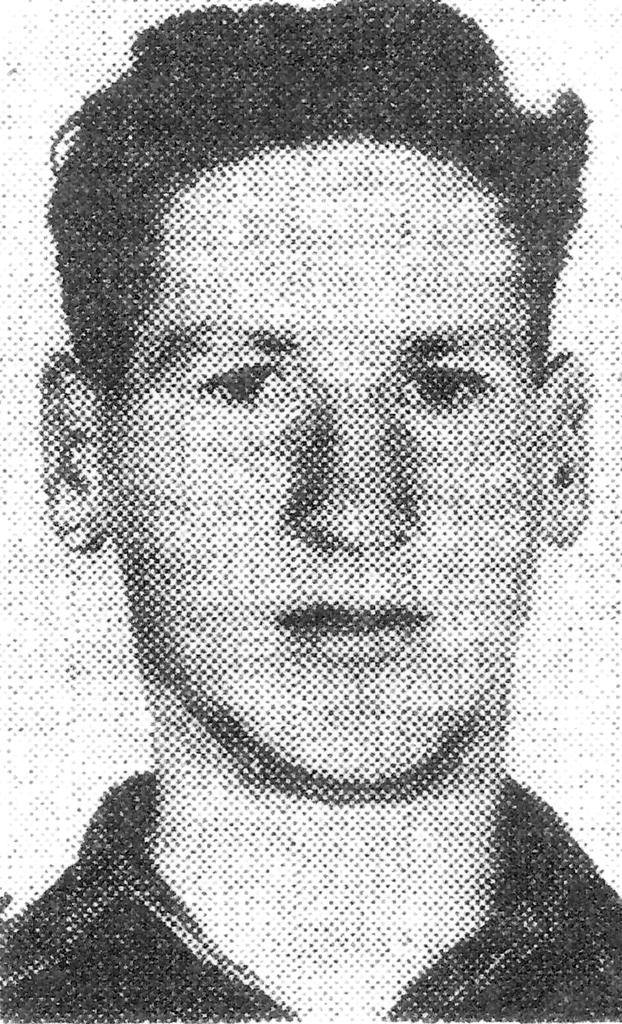 Michael Alwyn Bourke
Private
26 June 1965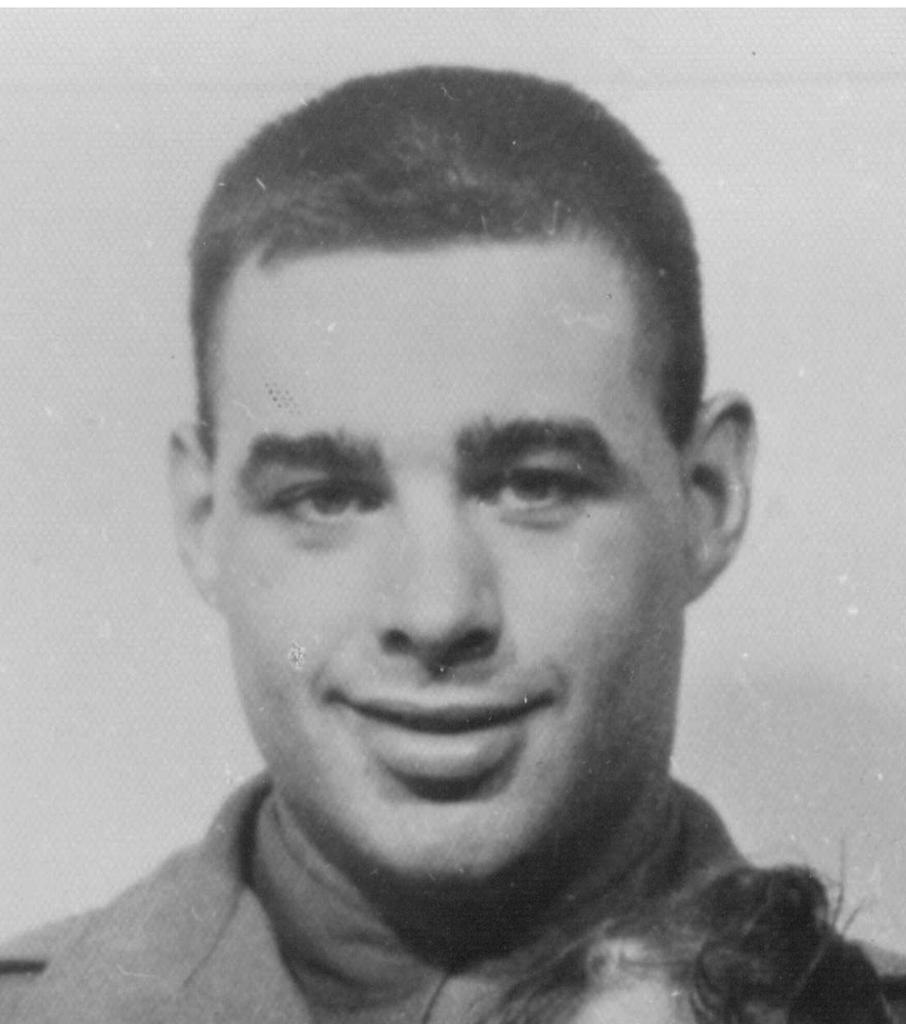 William Thomas Carroll
Private
26 June 1965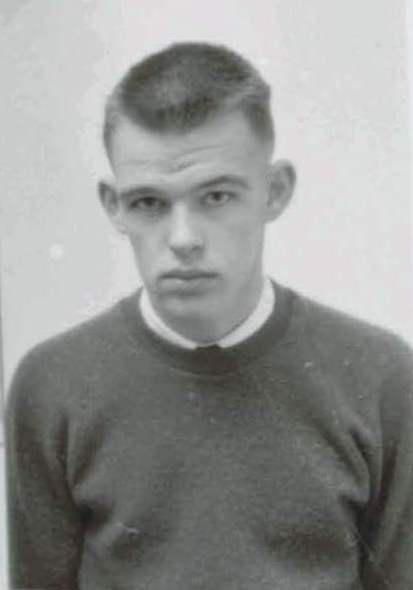 Arie Van Valen
Private
29 June 1965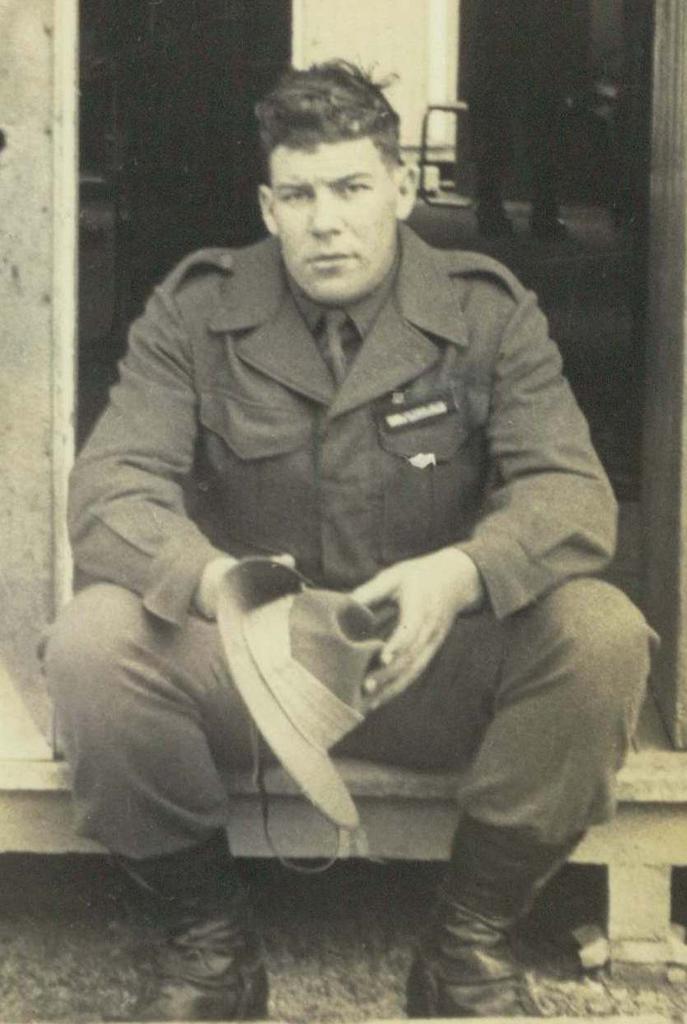 William Lynn Nalder
Private
8 July 1965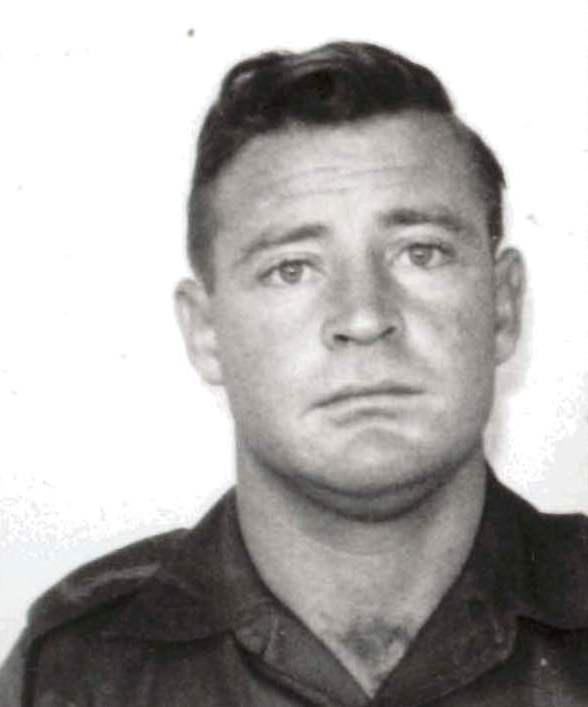 Francis John Smith
(Temporary) Corporal
21 September 1965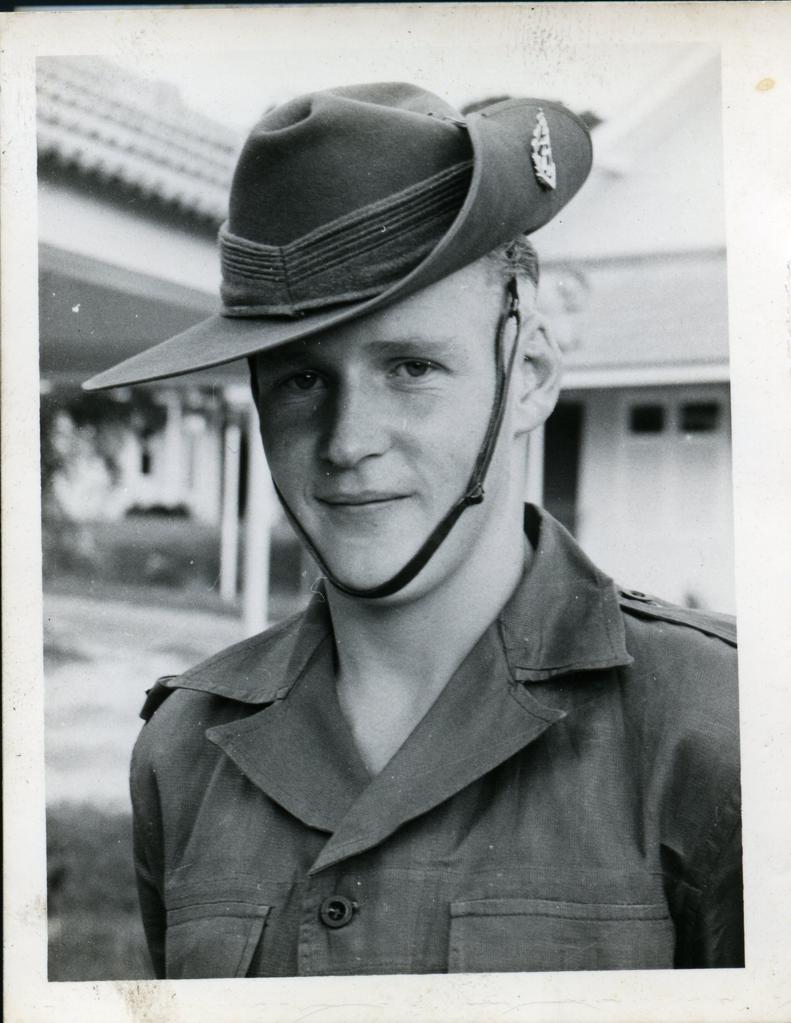 Ronald Eric Field
Private
9 October 1965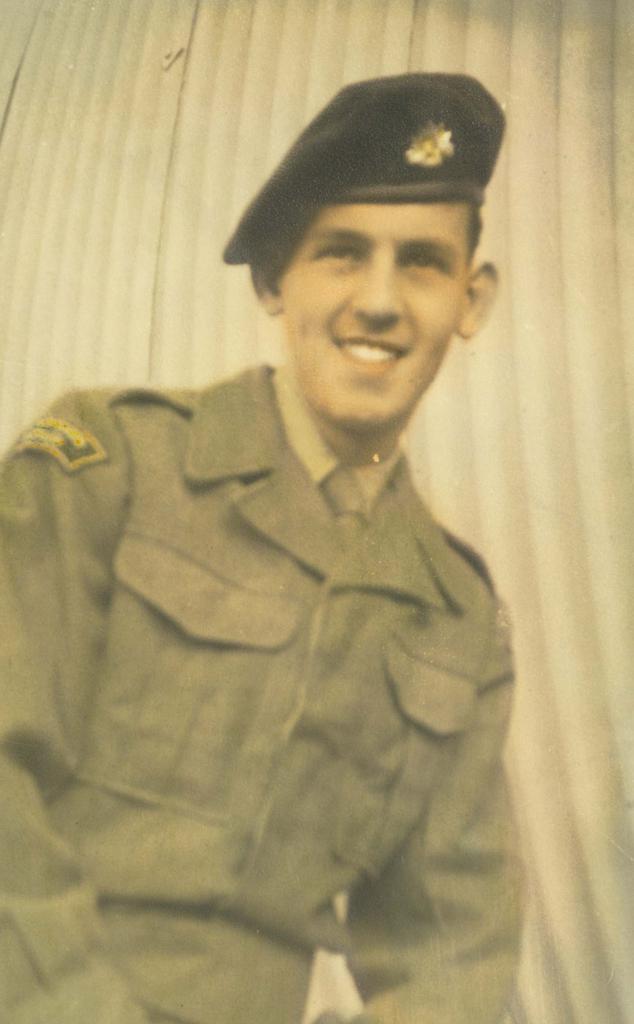 Thomas Ross
Private
12 October 1965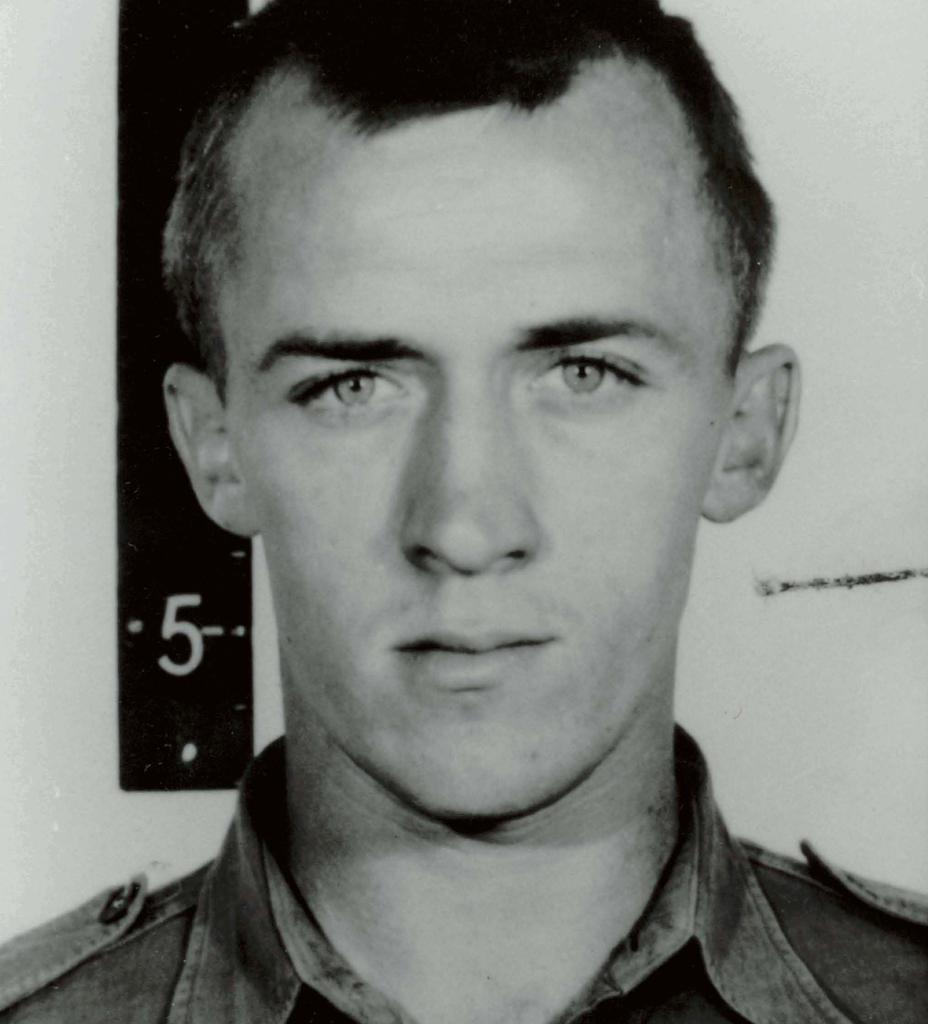 Allan Robert Hansen
Private
25 October 1965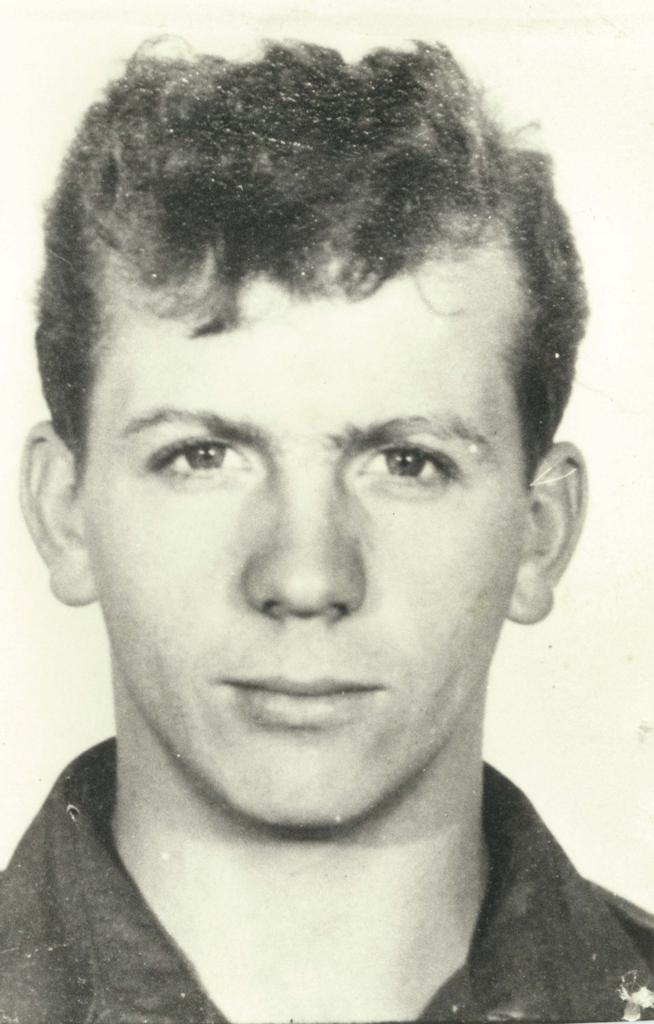 Peter Raymond Gillson
Private
8 November 1965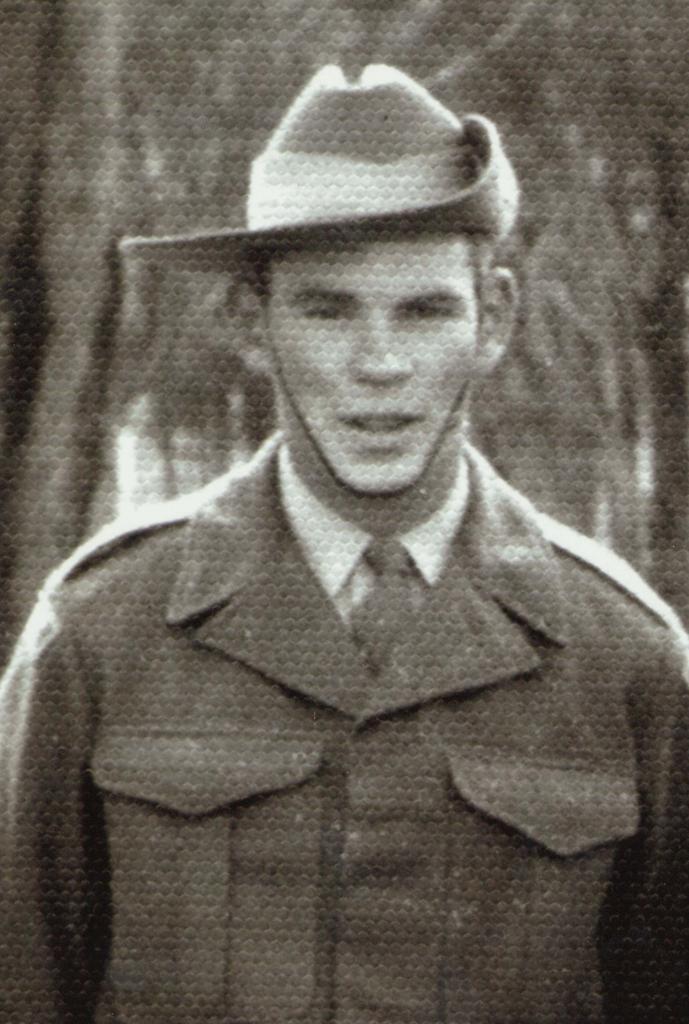 Richard Harold John Parker
Lance-Corporal
8 November 1965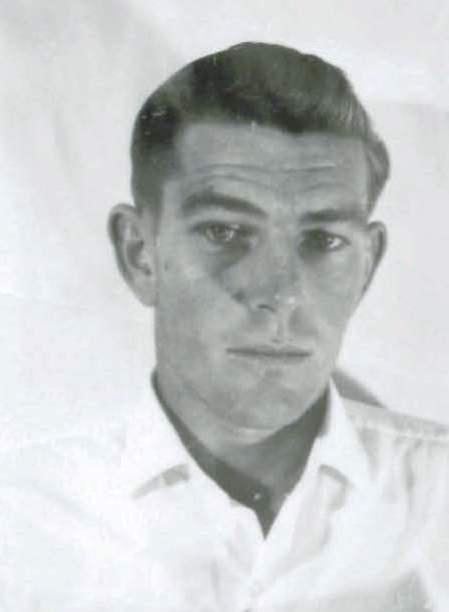 Reginald Hedley Hillier
Corporal
29 November 1965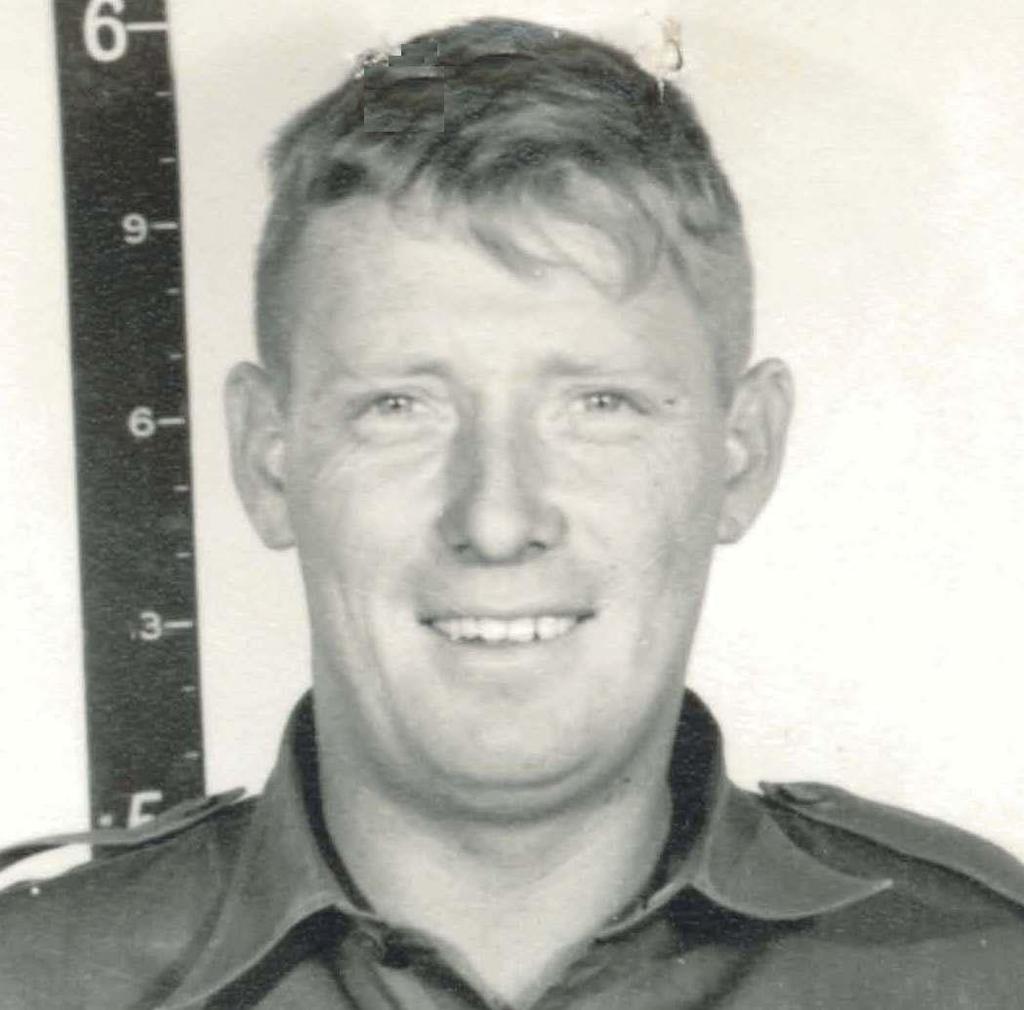 Alexander Henry Fotheringham
Corporal
17 December 1965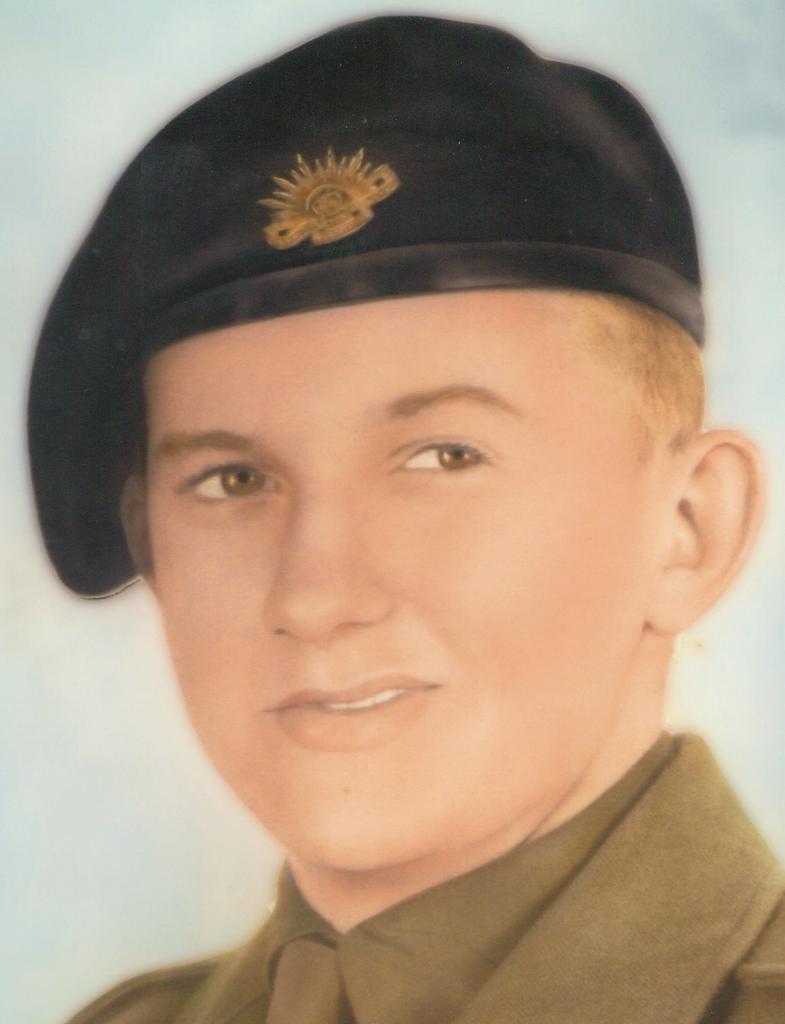 Christopher Clark
Private
8 January 1966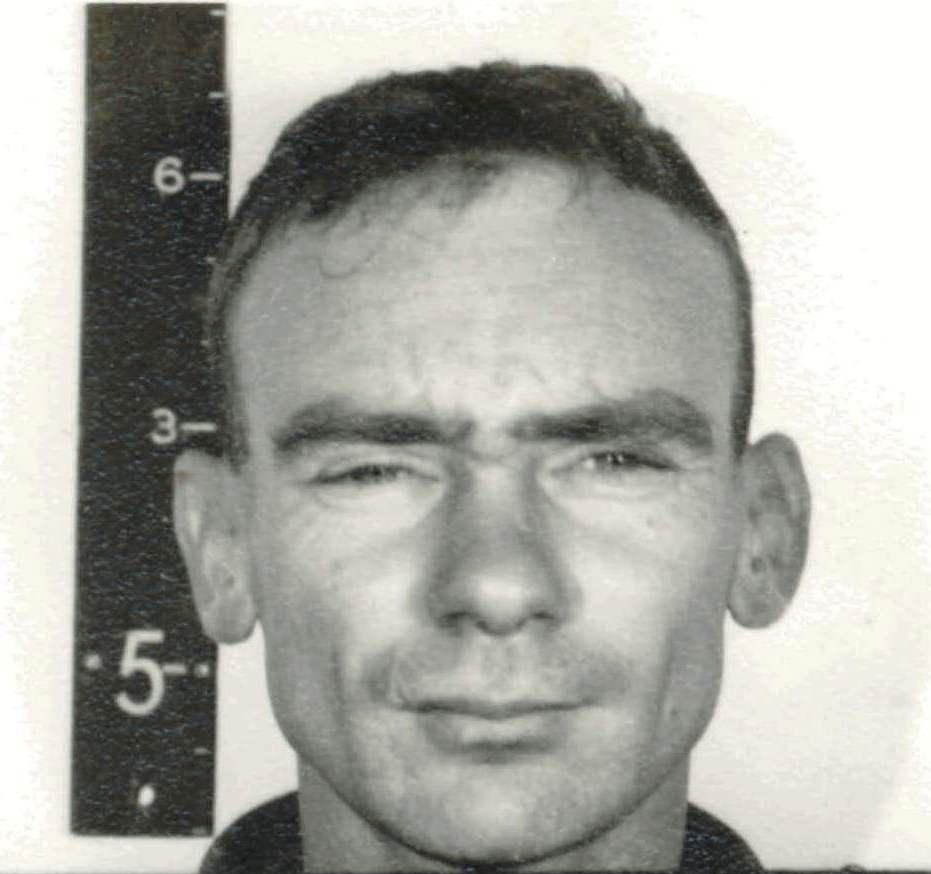 Mervyn Arthur Wilson
Private
8 January 1966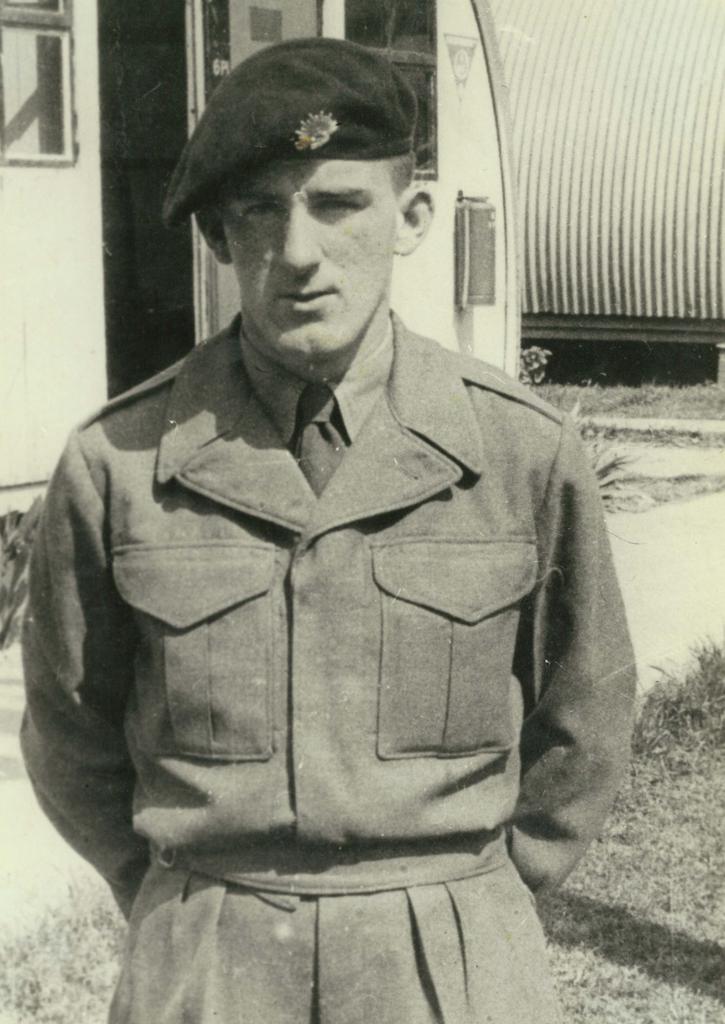 Neville Wayne Horne
Private
8 January 1966 Bror Ola Petersen
Private
10 January 1966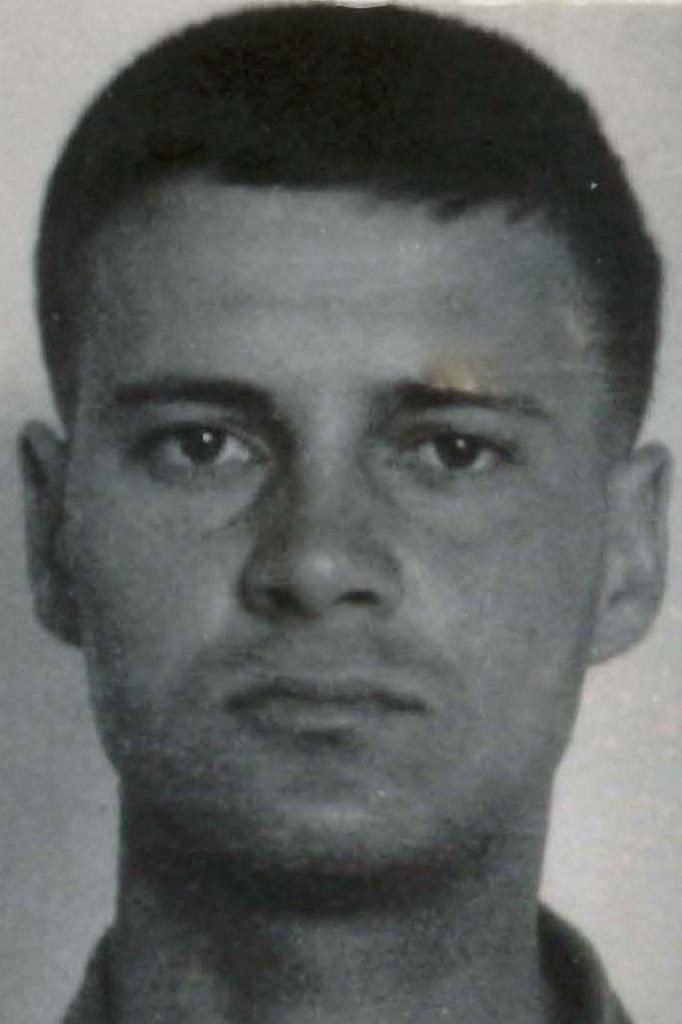 Desmond Hugh Penn
Private
10 January 1966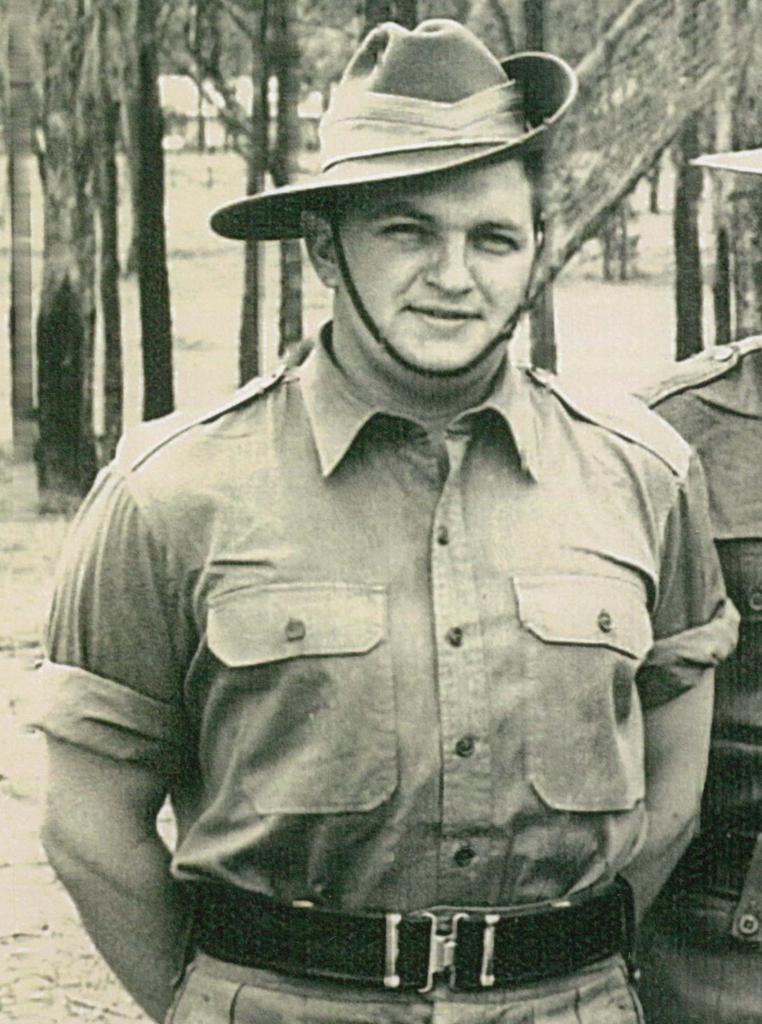 Ronald Edward Coxon
Lance-Corporal
13 January 1966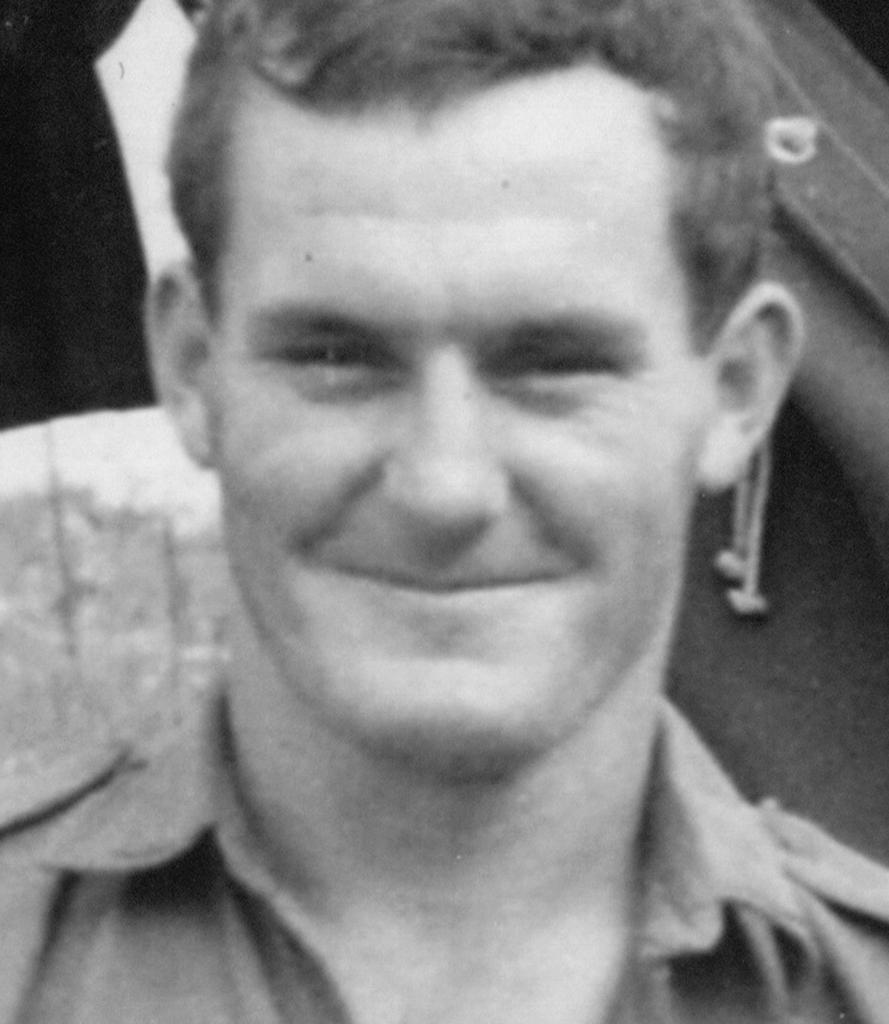 Raymond Douglas Seipel
Corporal
7 February 1966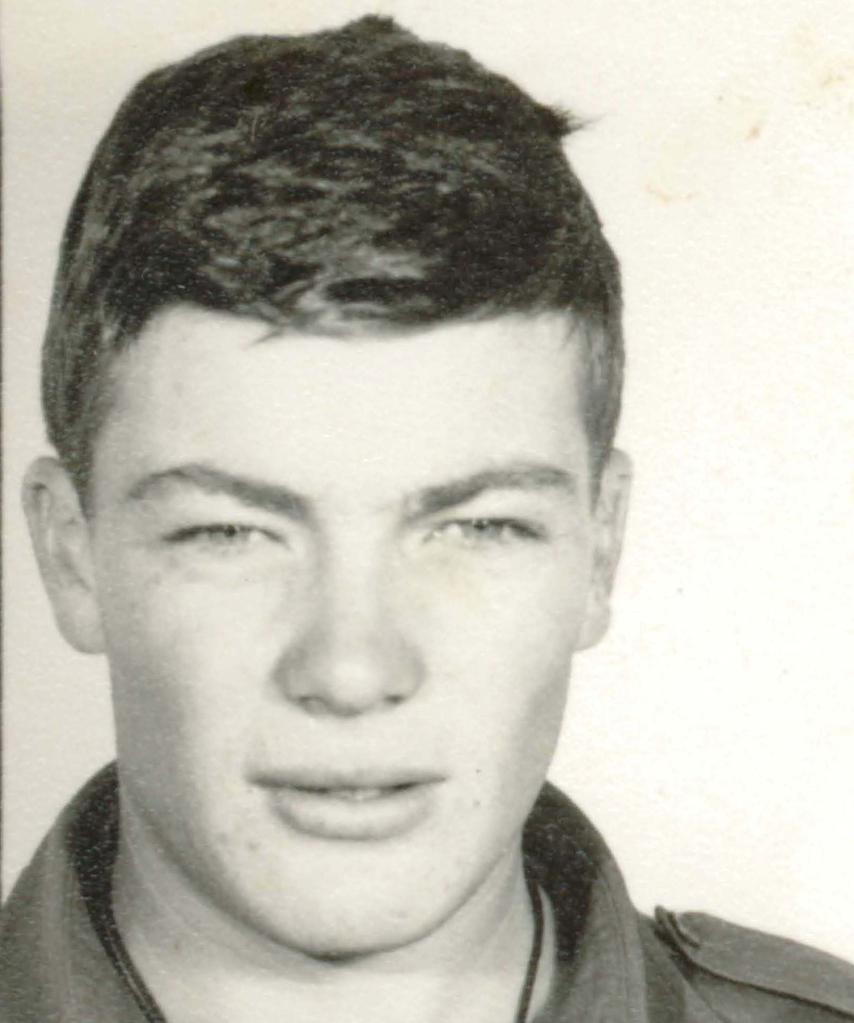 Edward Anthony Grills
Private
12 February 1966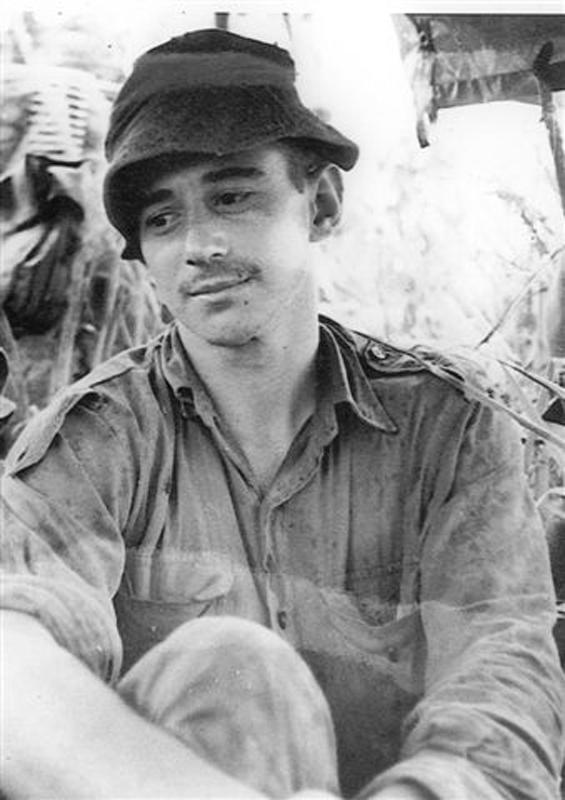 Thomas Suter
Lance-Corporal
27 February 1966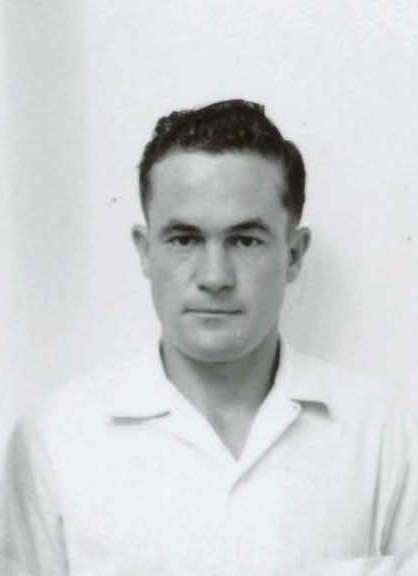 Leslie Charles Mcdonnell
Corporal
9 March 1966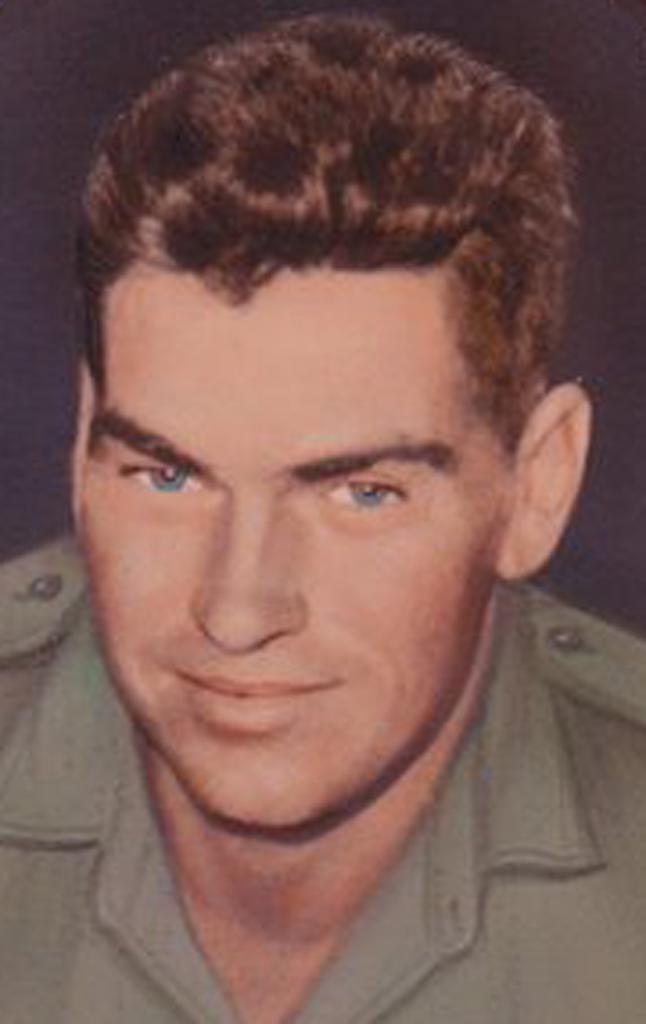 Lionel James Baxter
Private
15 March 1966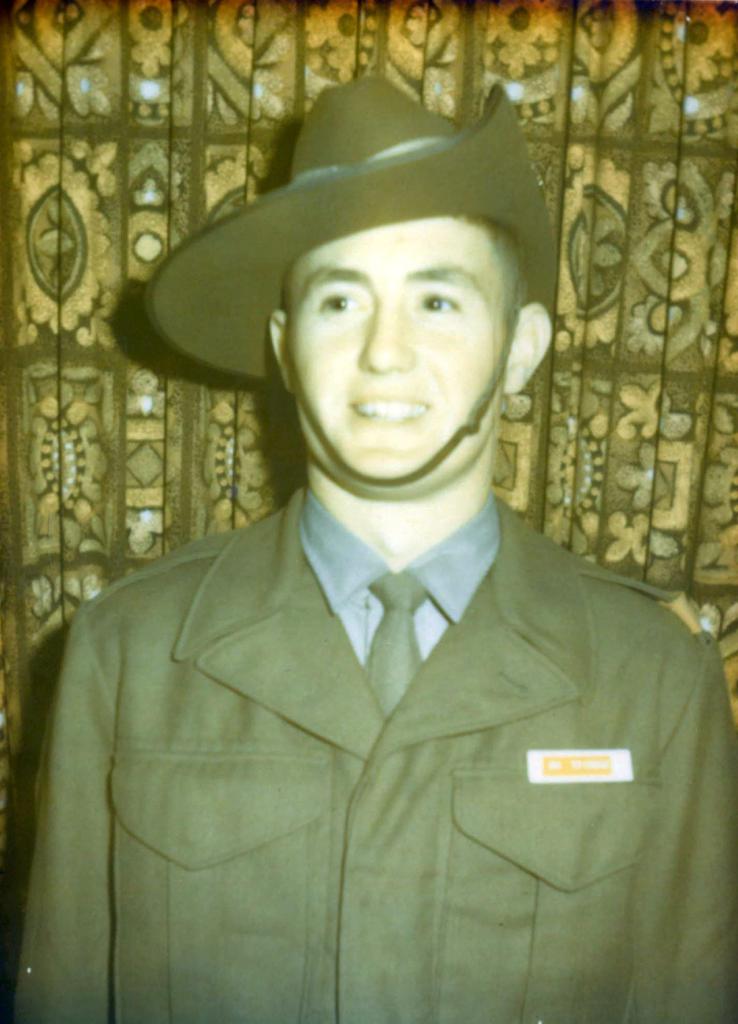 Bevan Maxwell Trimble
Private
13 May 1968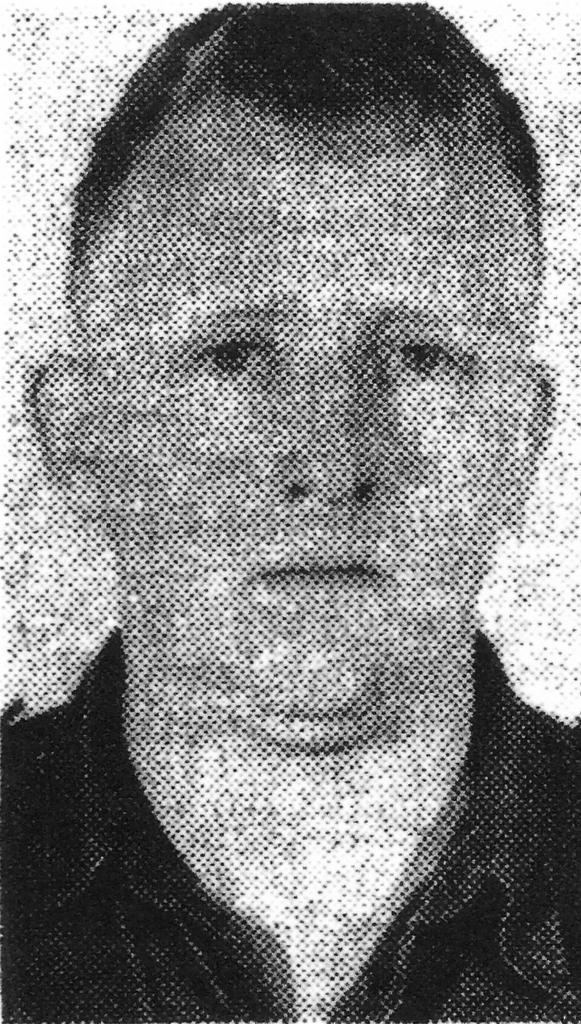 Errol John Bailey
Private
13 May 1968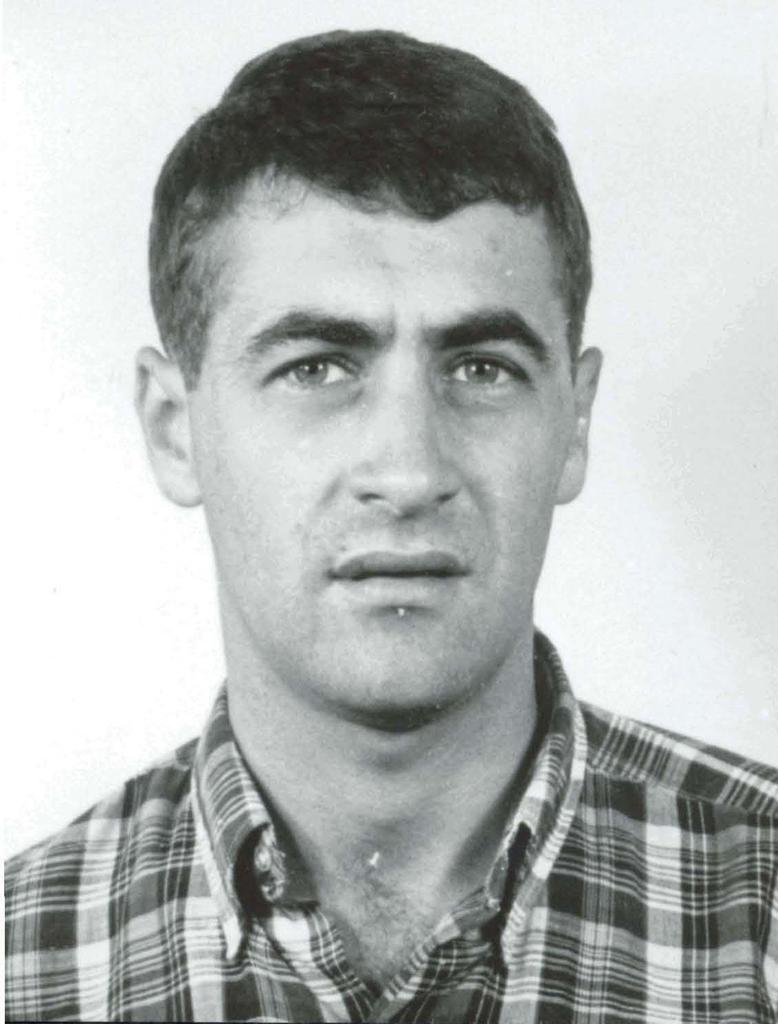 John Alfred O'brien
Private
13 May 1968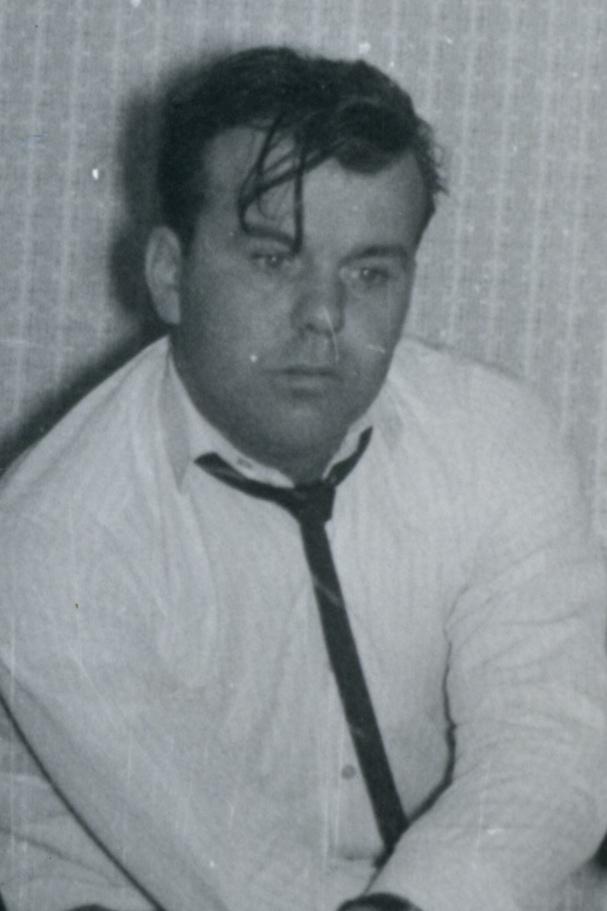 John Hunter Whitton
Corporal
13 May 1968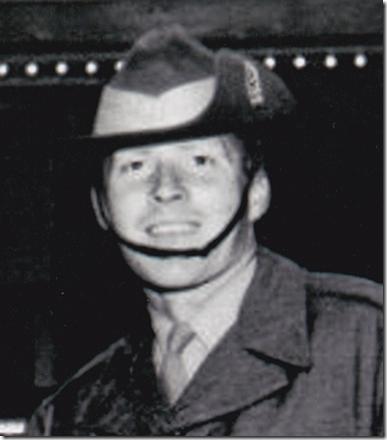 Lawrence Rodney Sheppard
Private
13 May 1968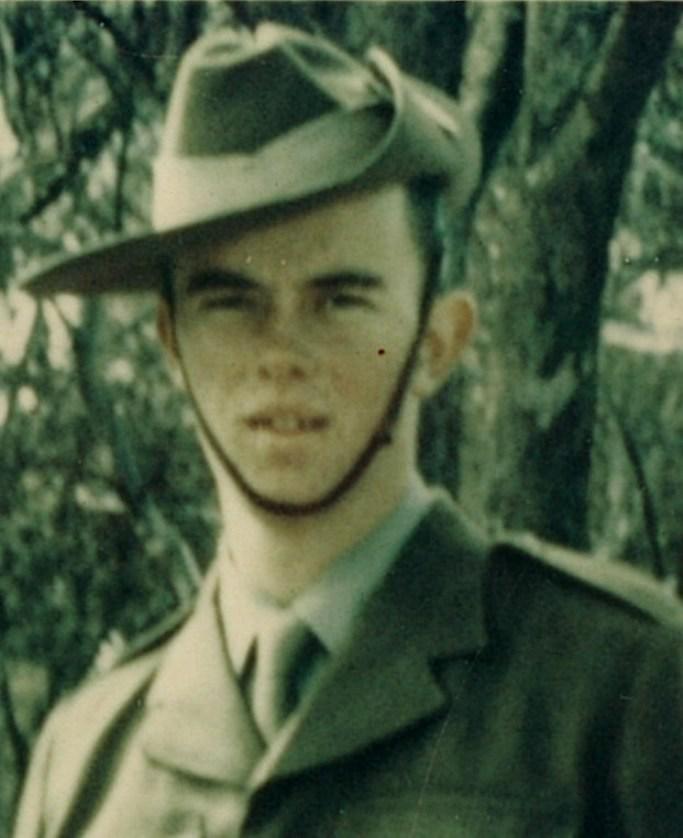 Richard Christopher Allan Watson
Private
13 May 1968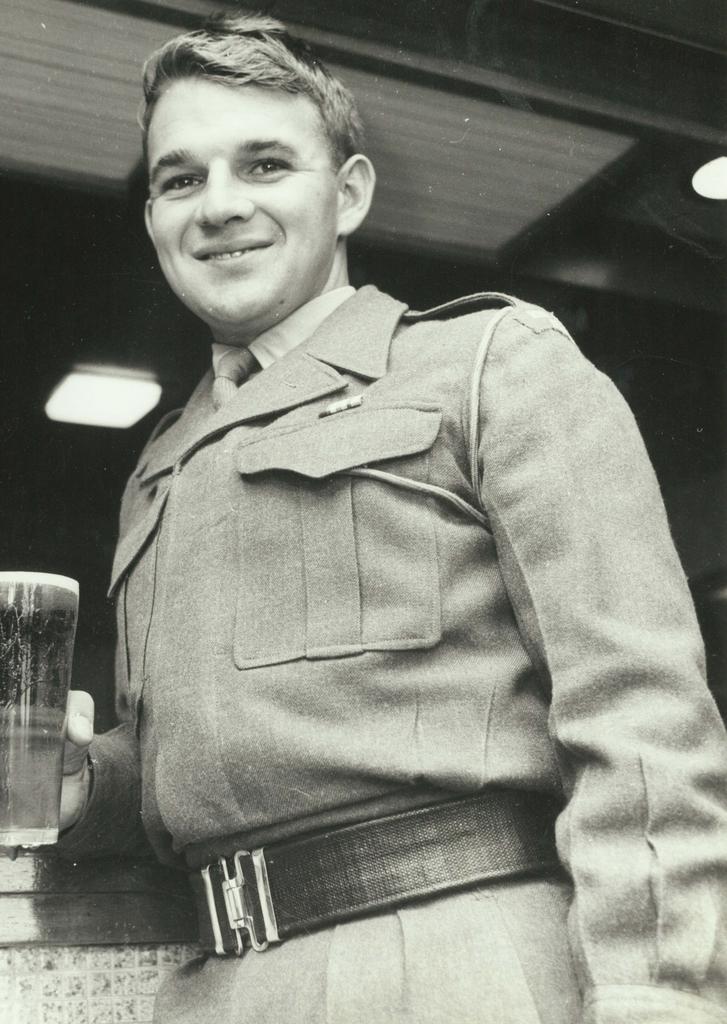 Robert Bernard Hickey
Corporal
13 May 1968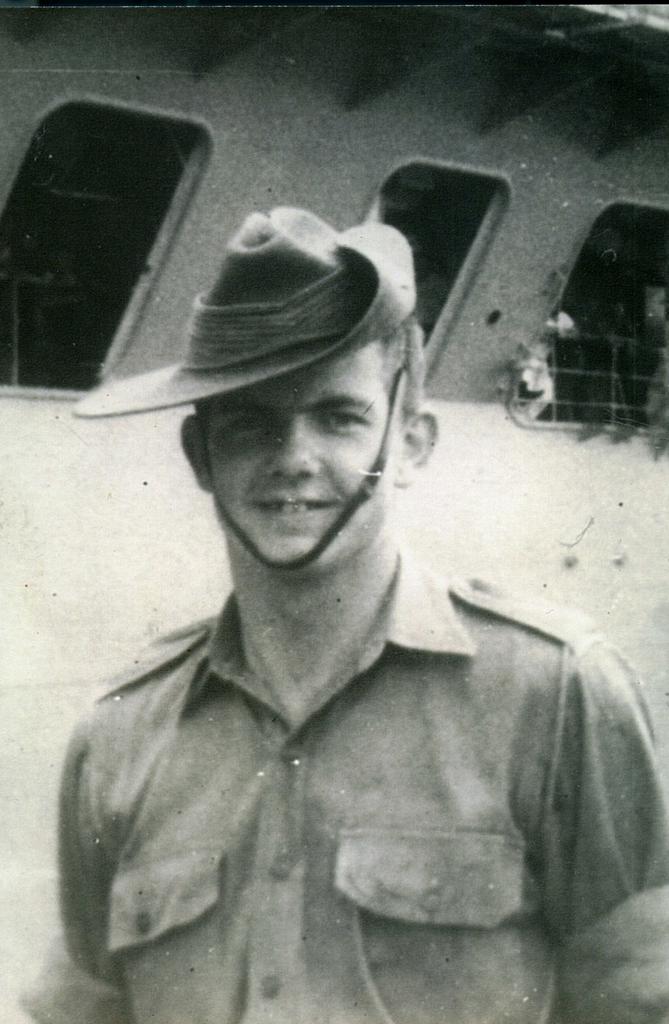 Robert Leo Mcnab
Private
13 May 1968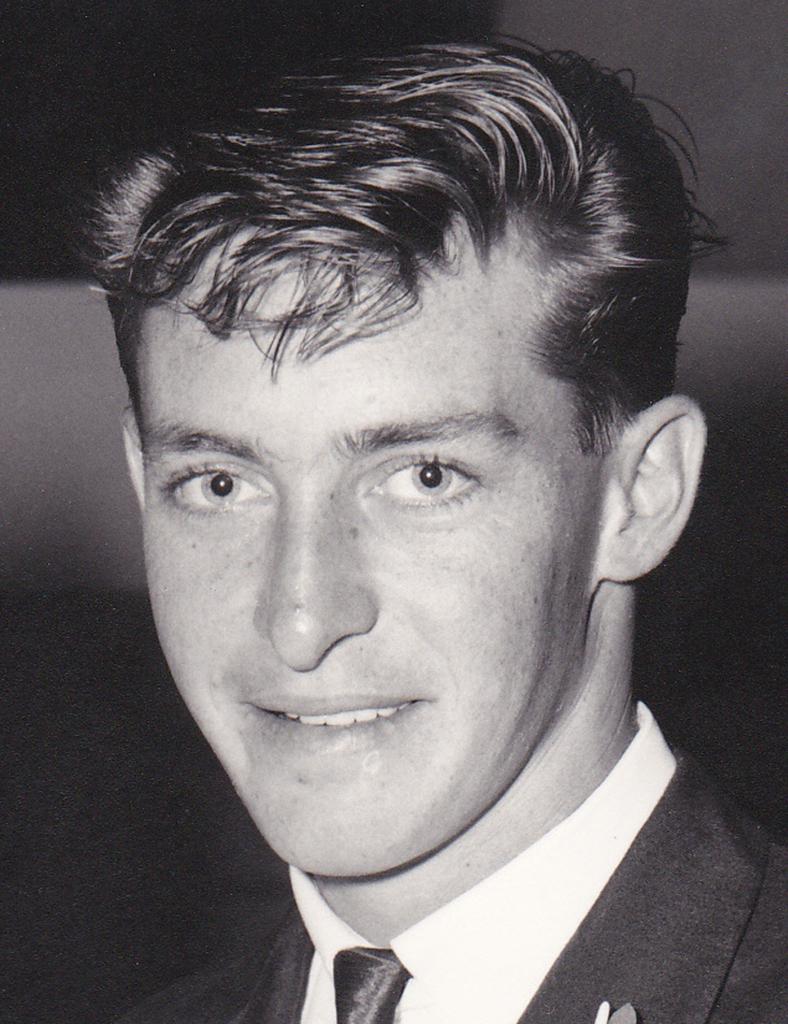 Christopher Robert Nisbet
Private
14 May 1968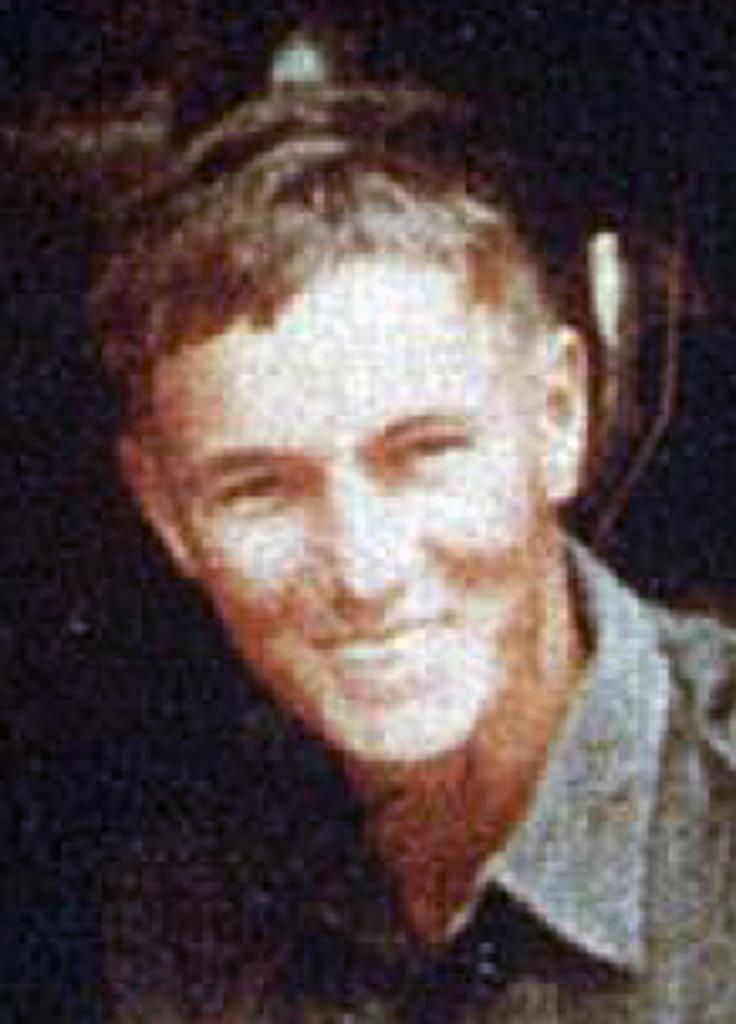 Ian Kenneth Dawson
Corporal
14 May 1968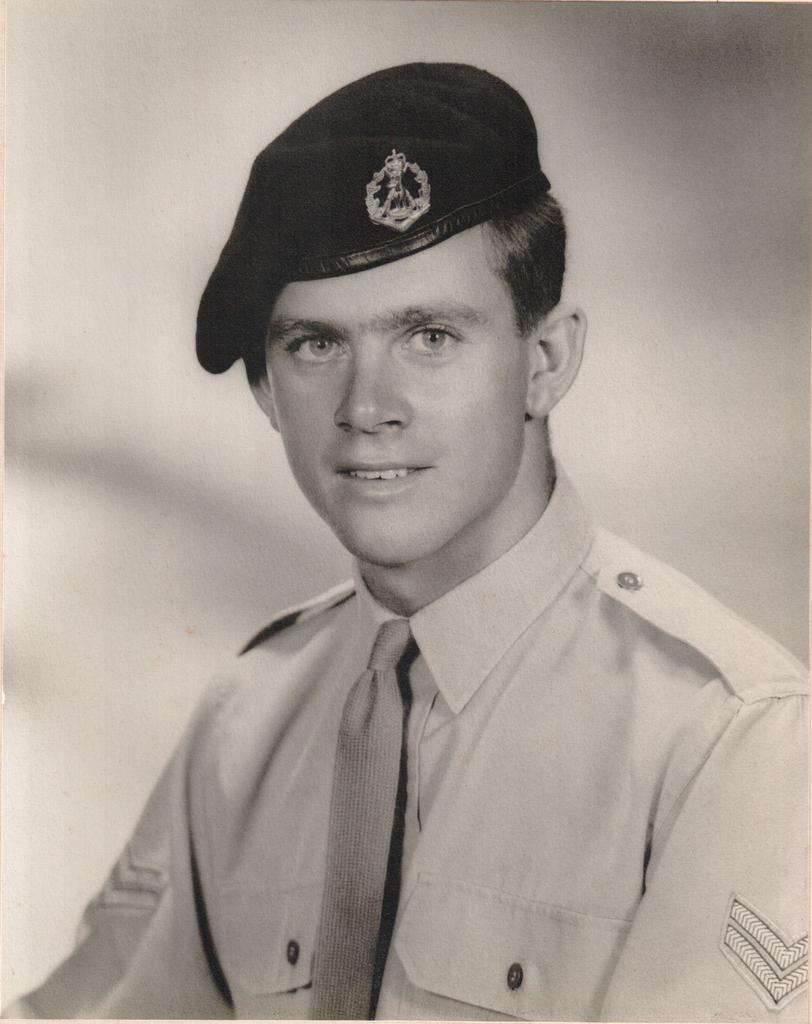 John Gregory Stinson Pearce
Corporal
14 May 1968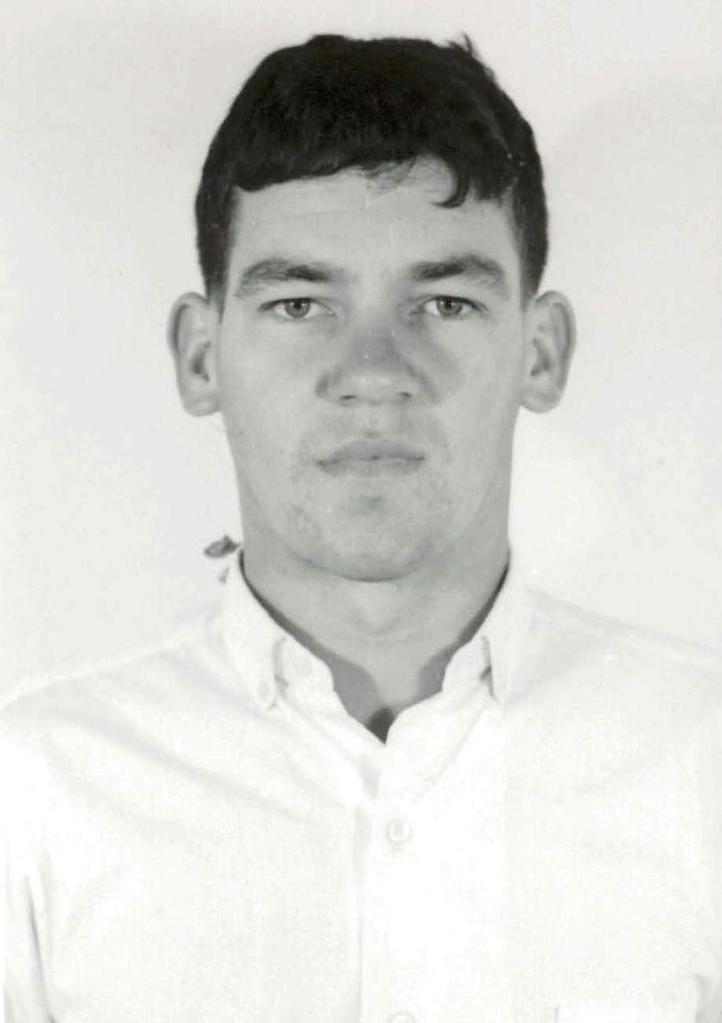 Alan John Wallis
Private
16 May 1968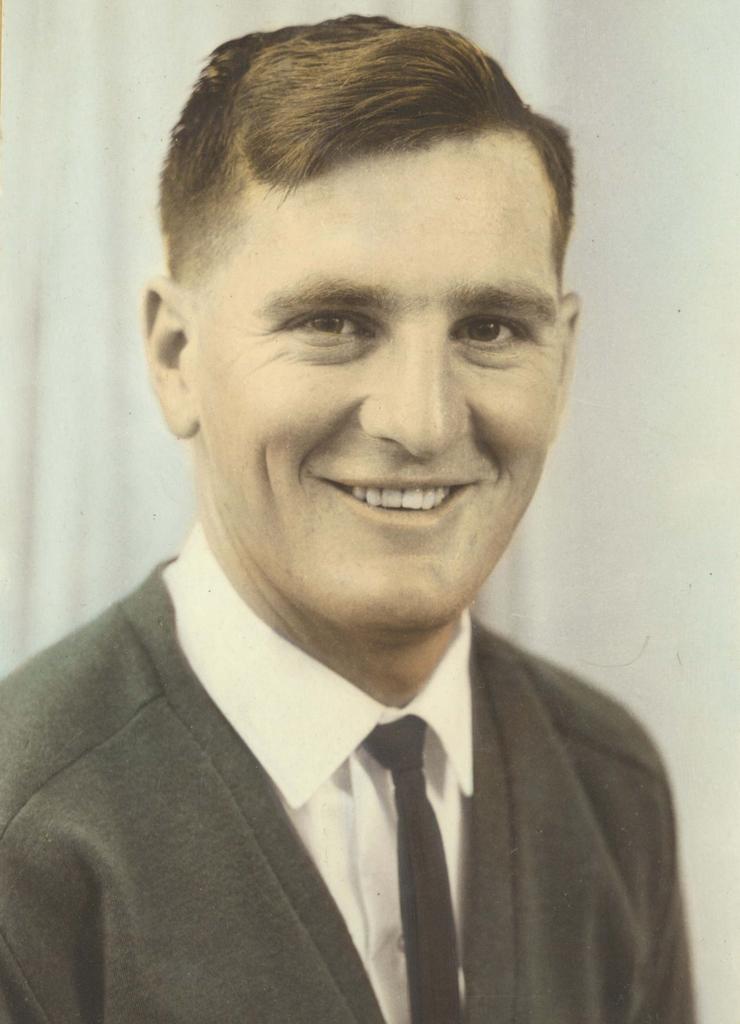 Alexander Henry Young
Signalman
16 May 1968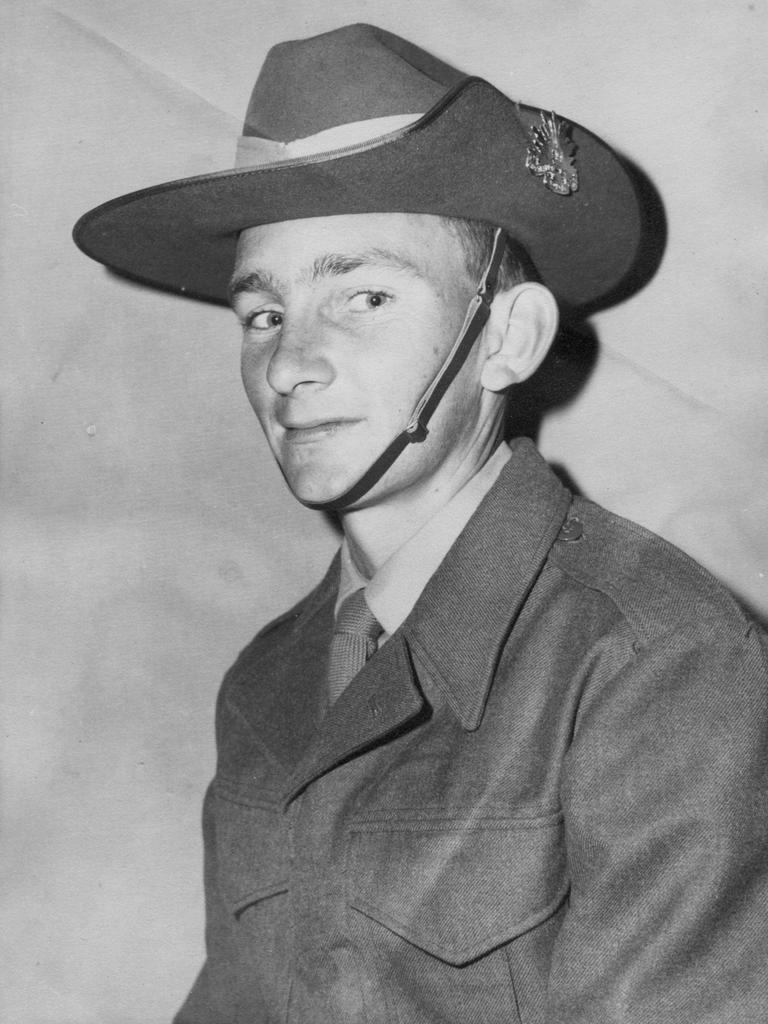 Brian Thomas Young
Private
16 May 1968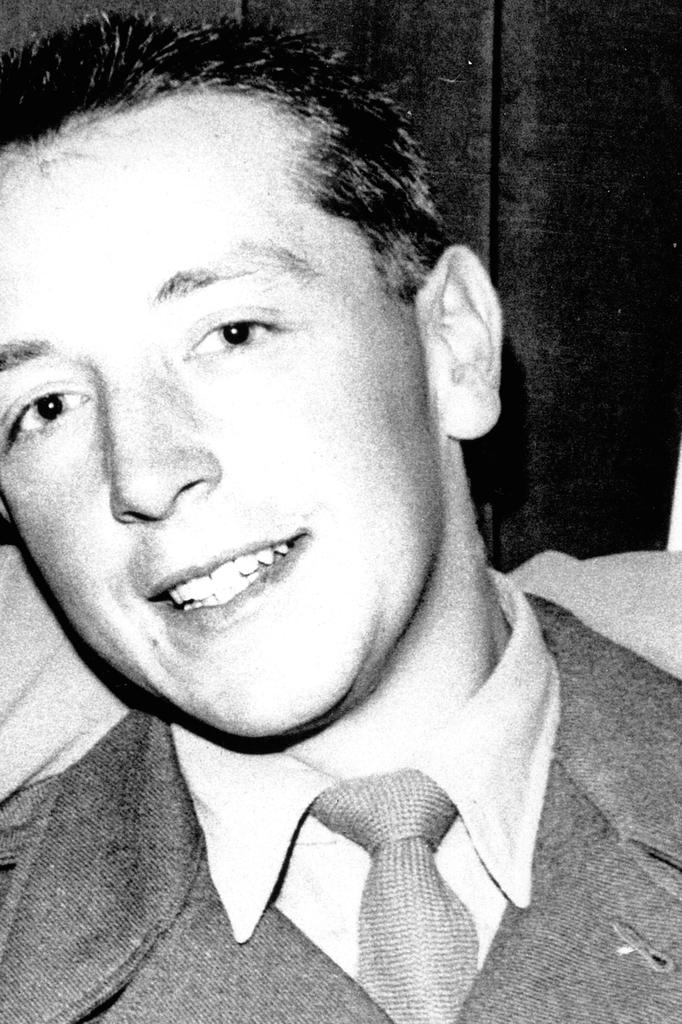 Harry Winston White
Private
16 May 1968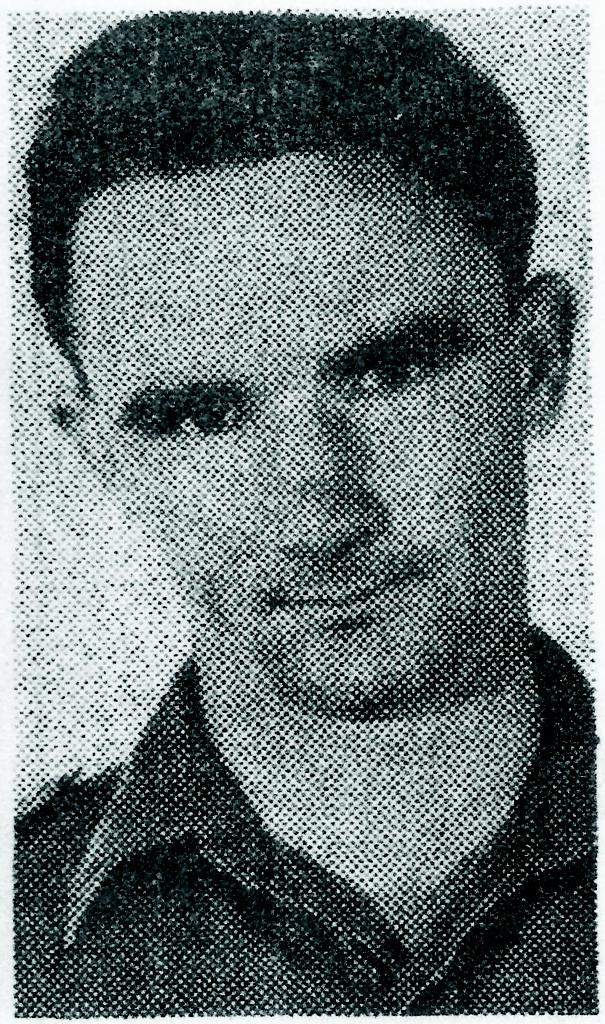 William Henry Martin
Lance-Corporal
16 May 1968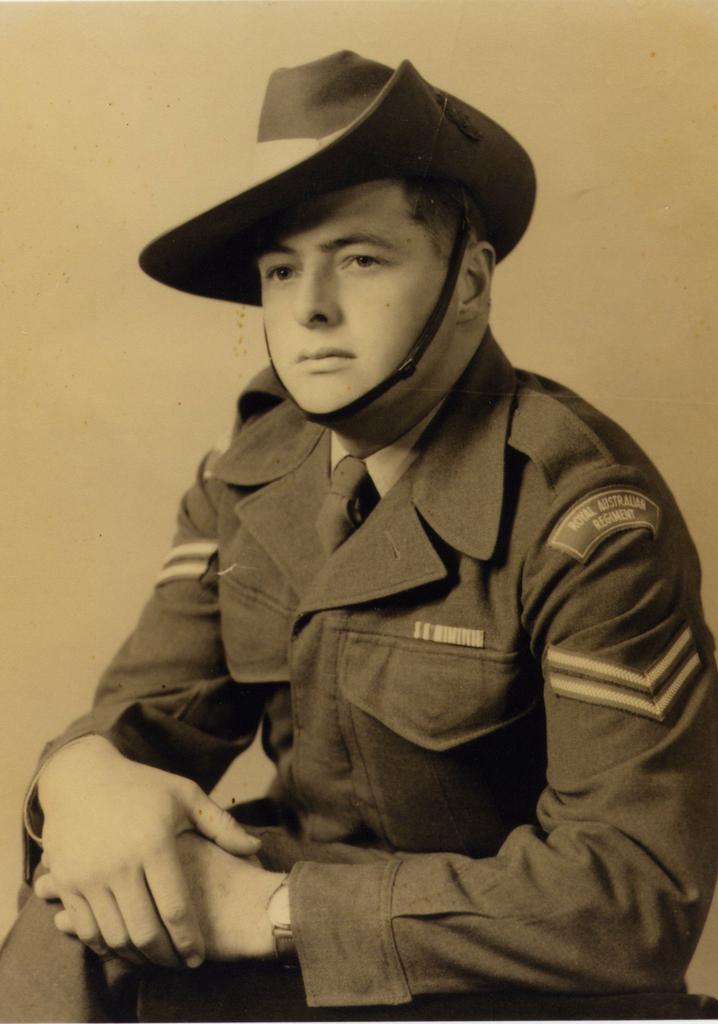 Frederick George Hamersley
(Temporary) Warrant-Officer Class 2
30 May 1968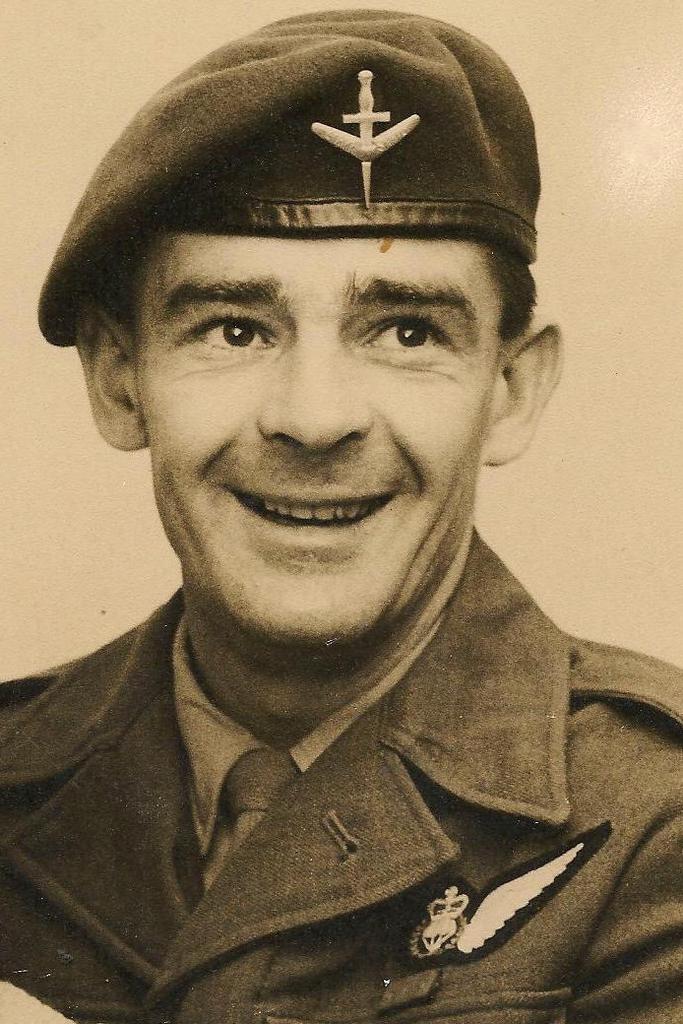 John Thomas Durrington
(Temporary) Warrant-Officer Class 2
30 May 1968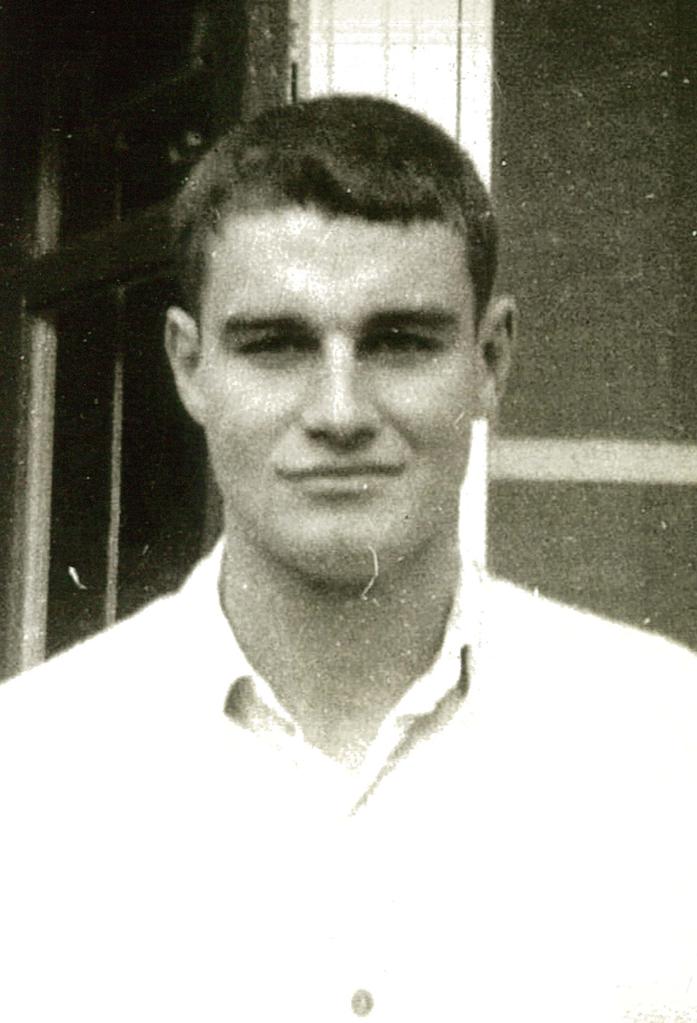 Peter Eris Murray
Private
9 July 1968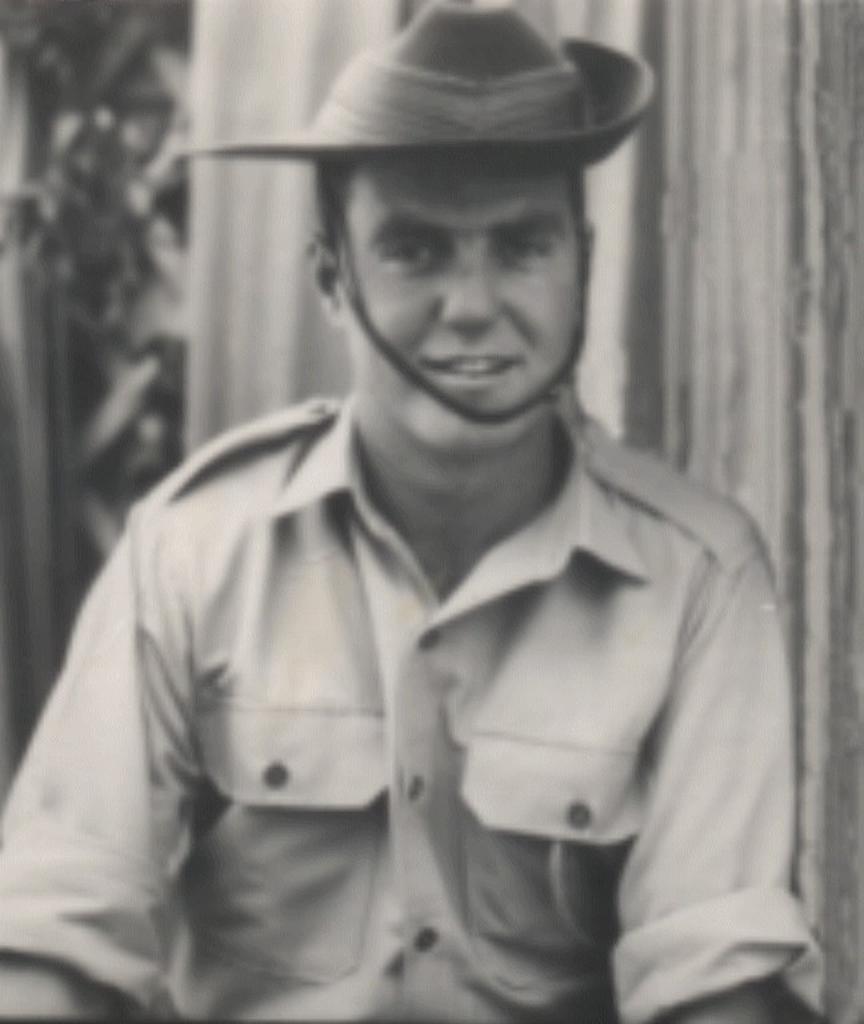 Robert Maxwell Grist
Private
2 August 1968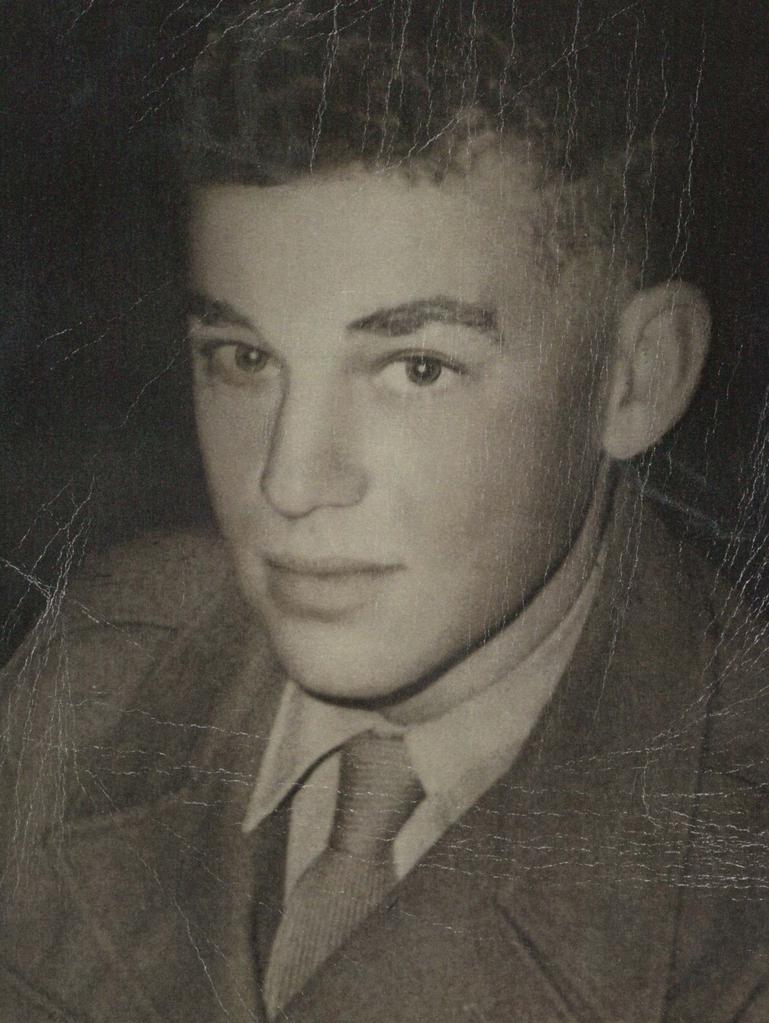 Graeme John Moss
Private
5 August 1968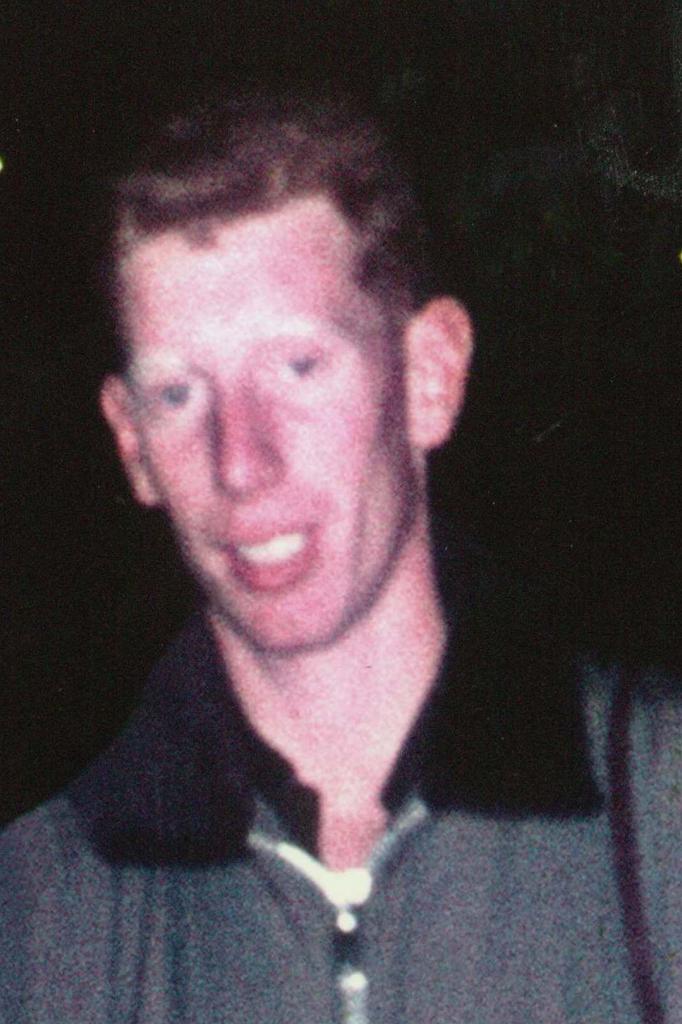 Archibald Stanley Williams
Private
21 September 1968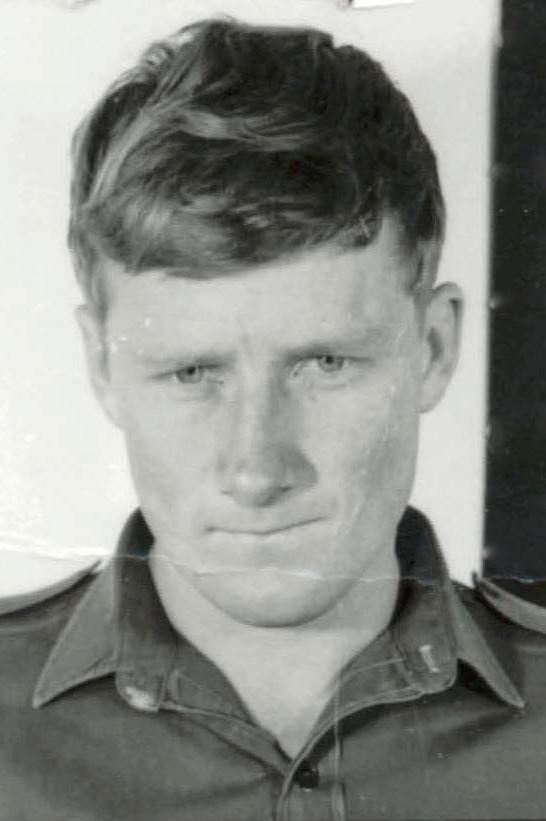 Neil Anthony Mcinerney
Private
7 October 1968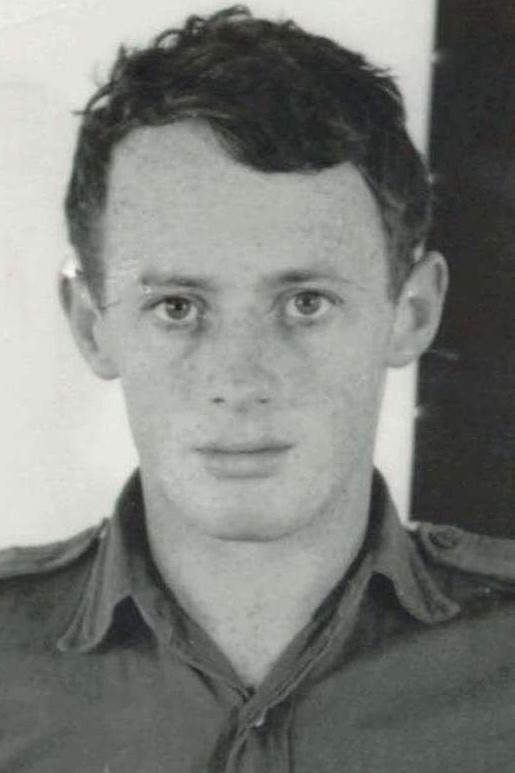 John Michael Slattery
Private
8 October 1968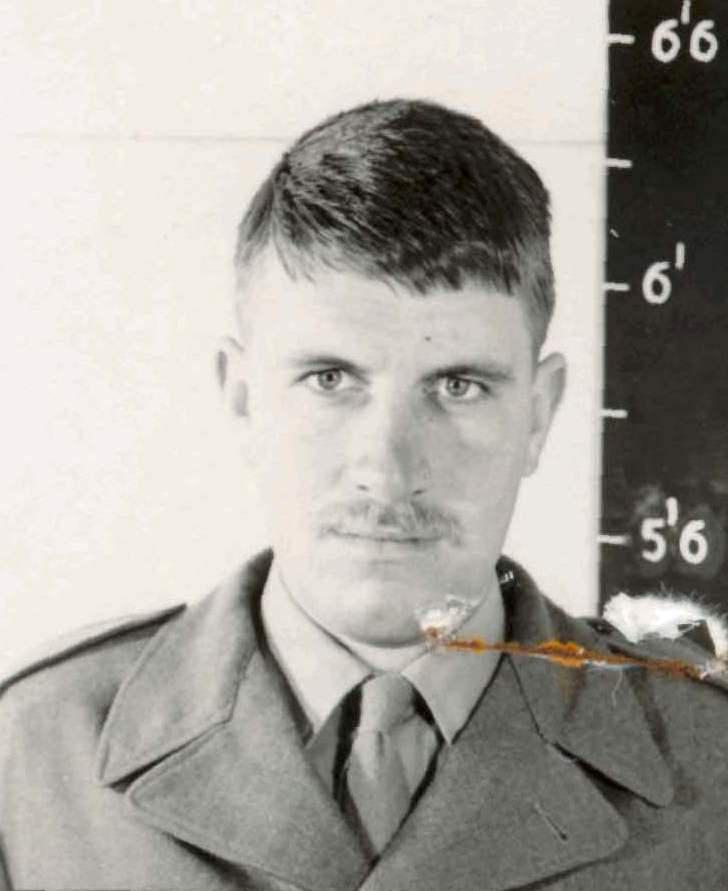 Paul Evans
Private
8 October 1968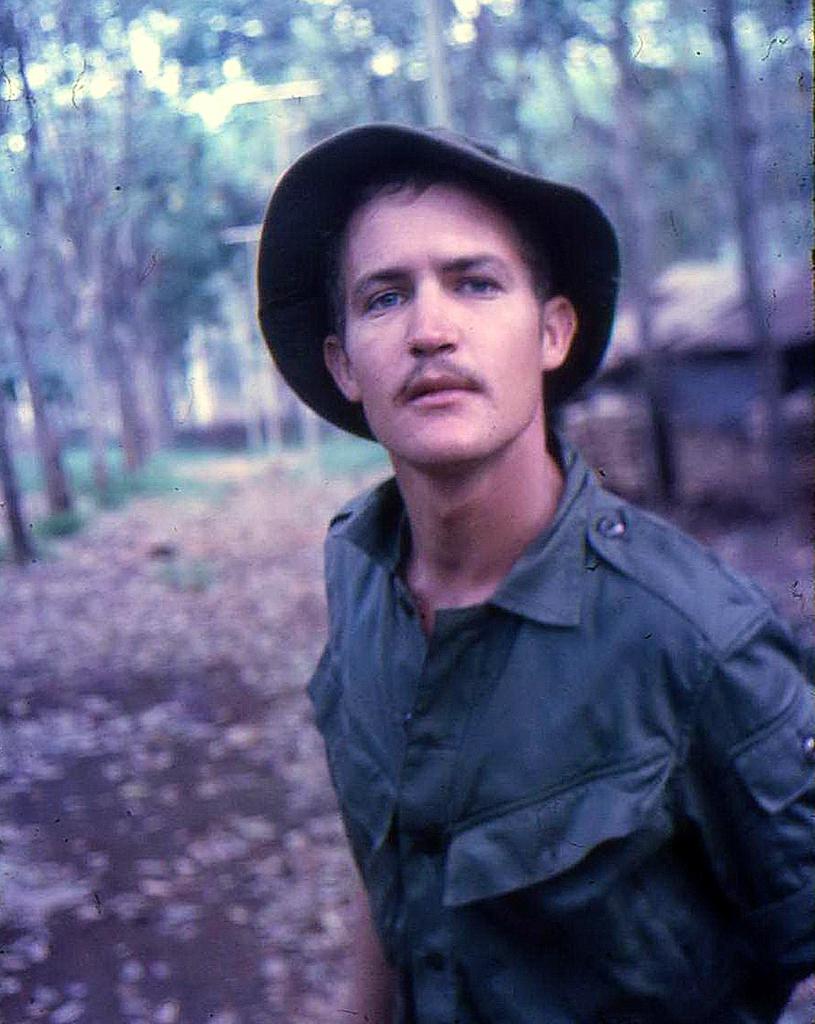 Rodney Donald Hughes
Private
17 November 1968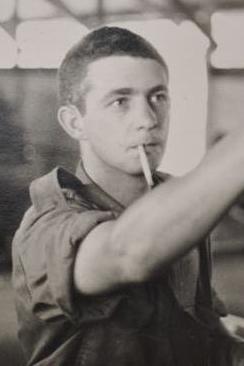 Ian James Gibbs
Private
18 November 1968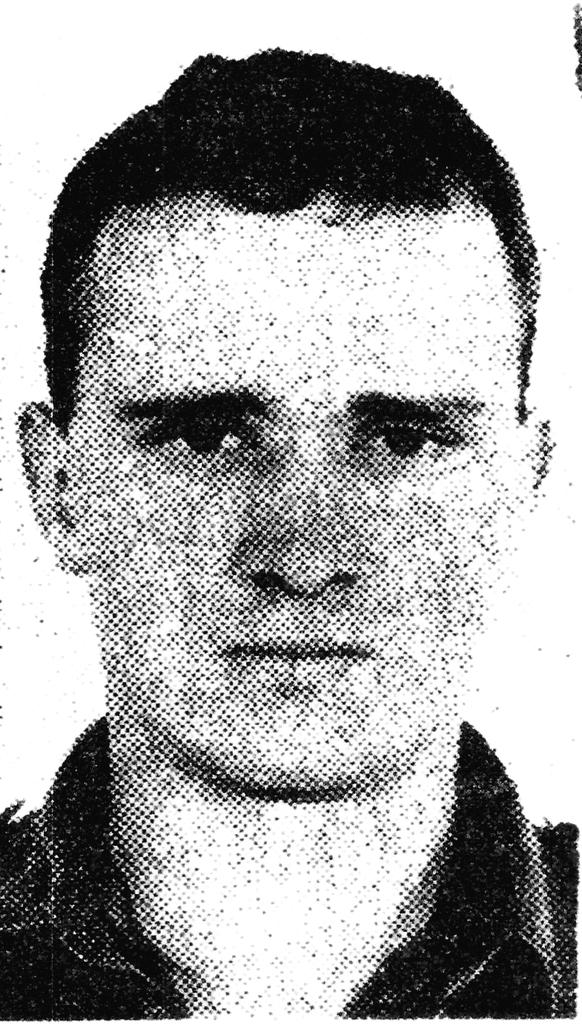 Frederick John Annesley
(Temporary) Corporal
24 November 1968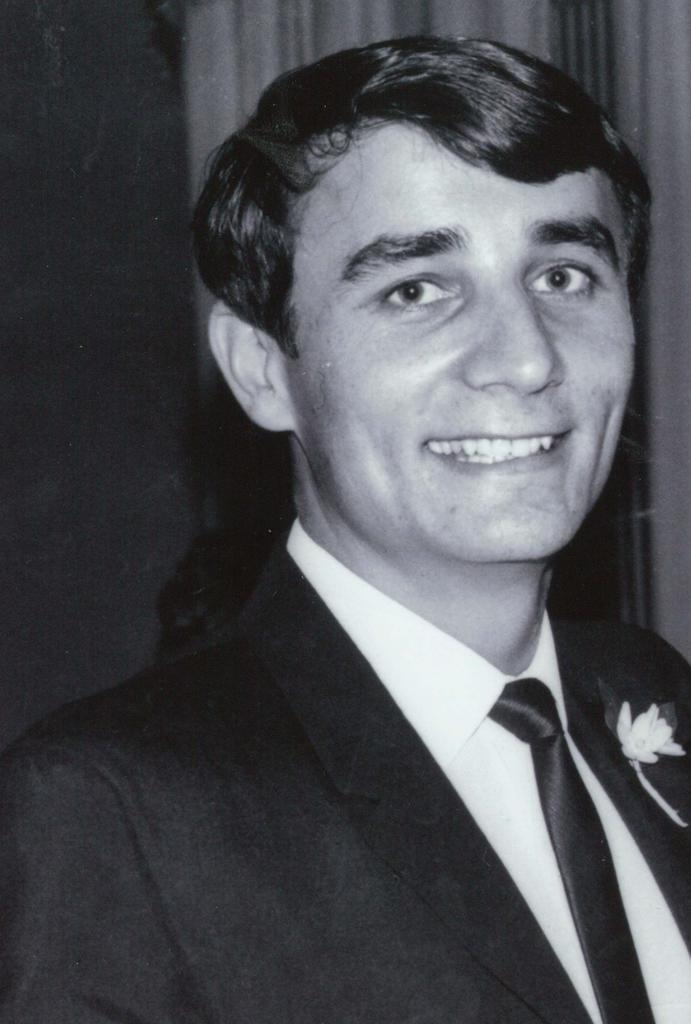 Terrance Edward Langlands
2nd Lieutenant
24 November 1968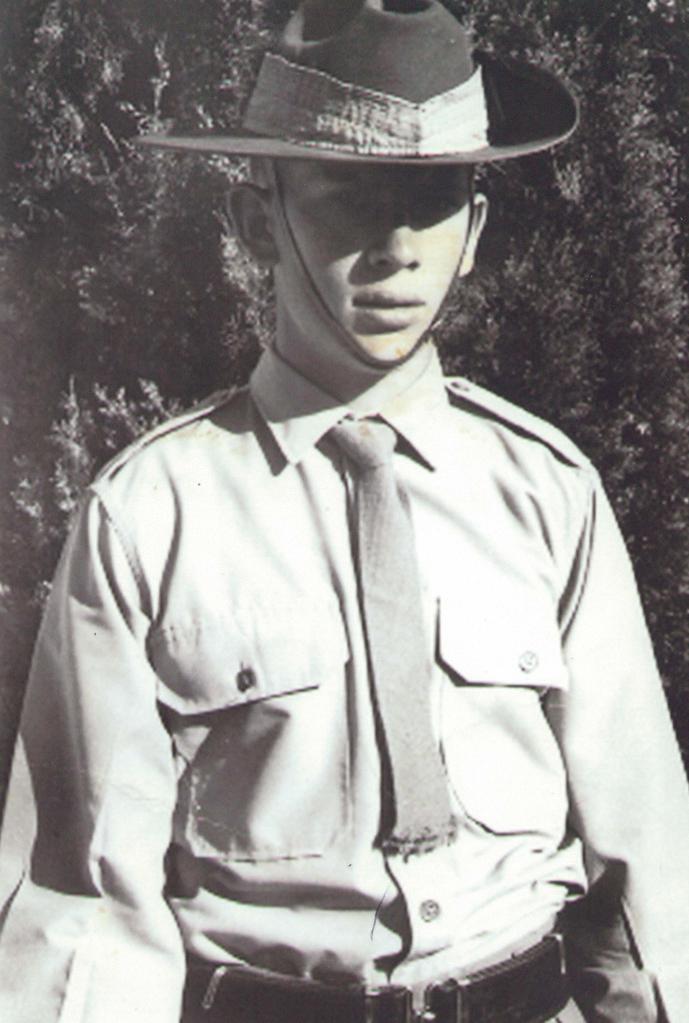 William Wayne Donnelly
Private
24 November 1968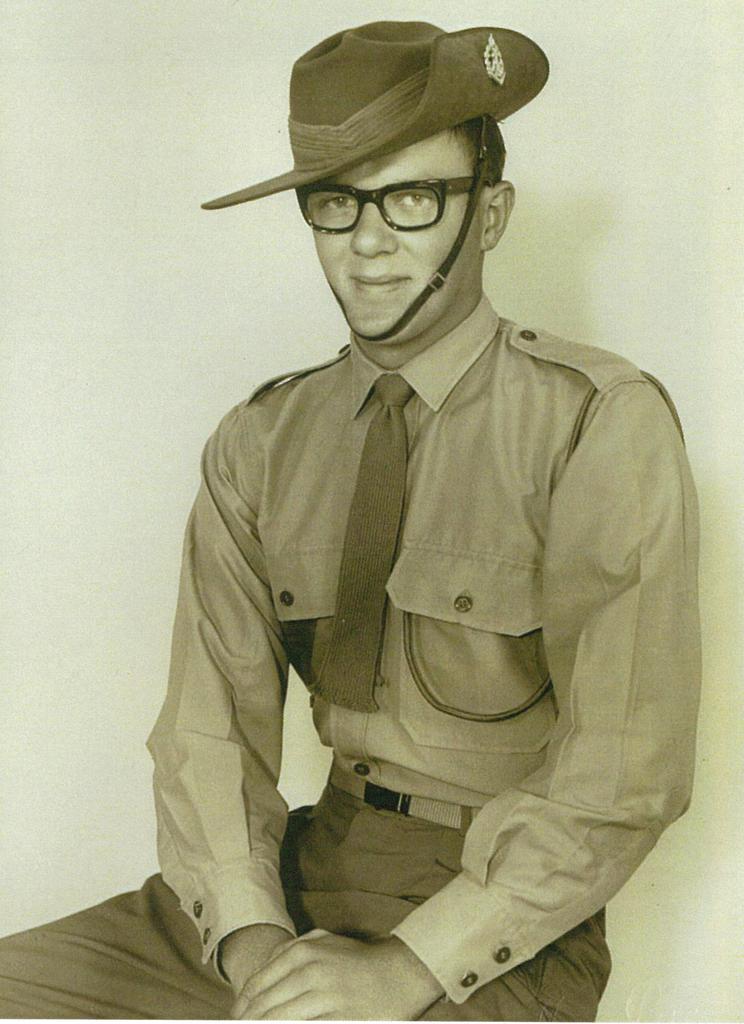 John Milton Rands
Lance-Corporal
12 December 1968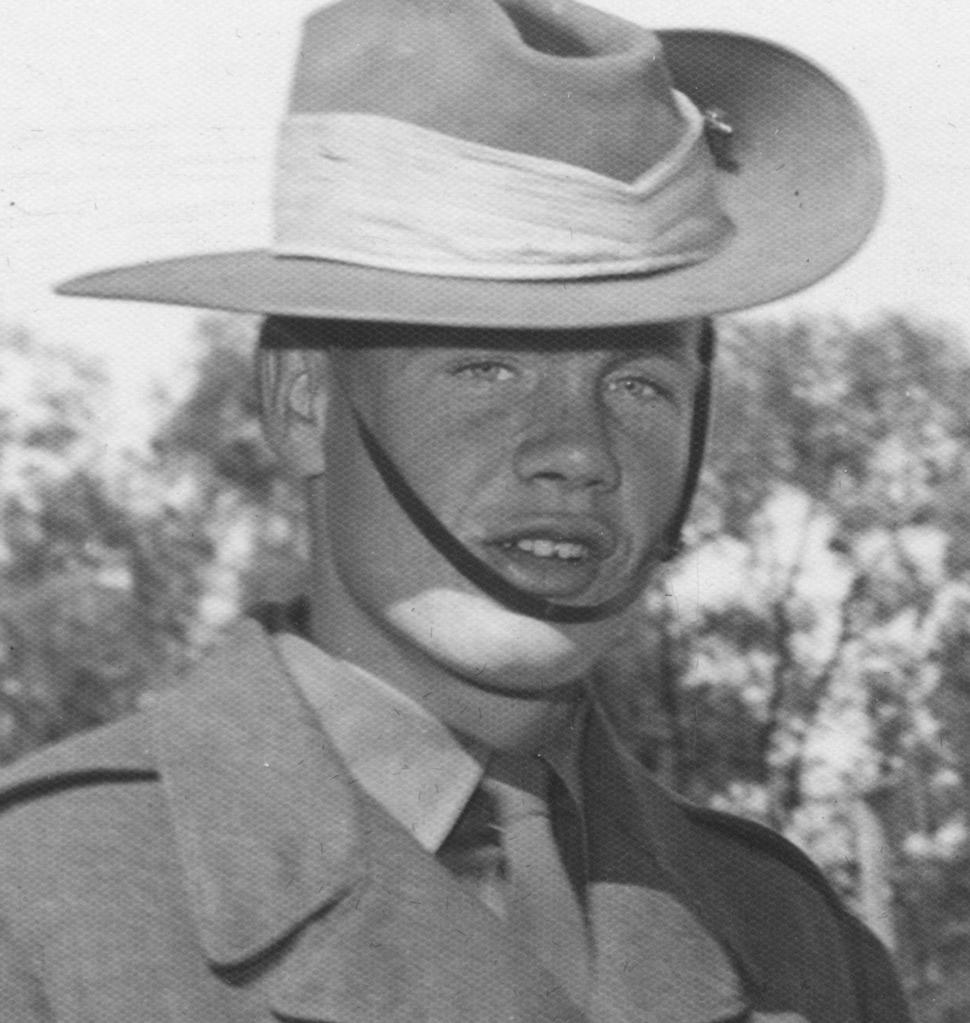 John Henry Kalma
Lance-Corporal
19 December 1968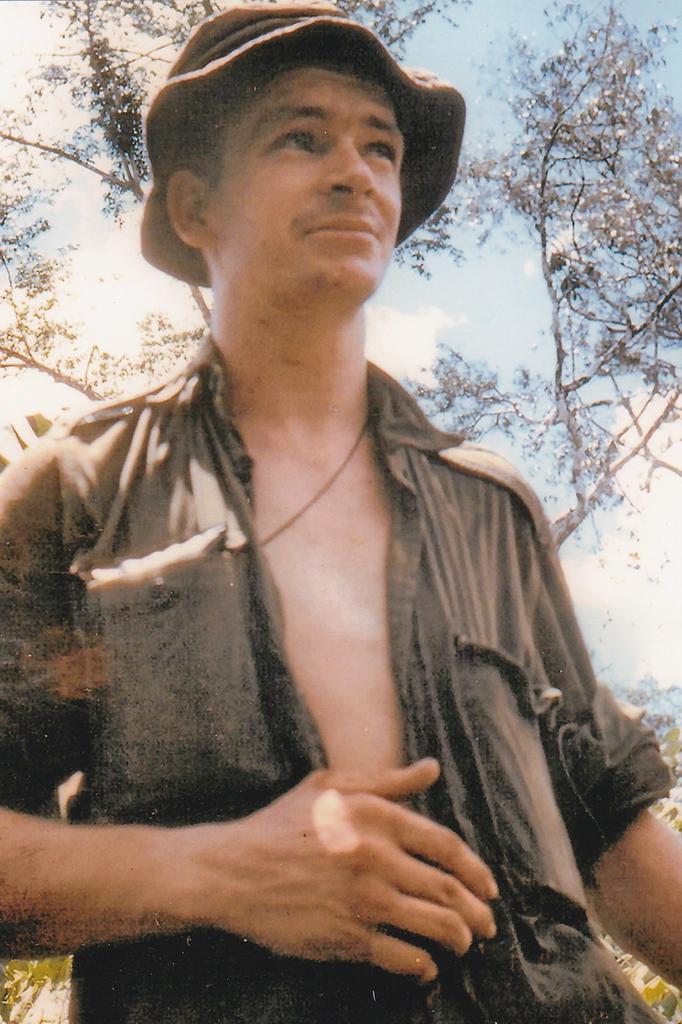 Raymond John Cox
Private
28 December 1968
Photographs #
From the site's collection: pictures linked to the unit's contacts, and others taken near them at the time. Each opens on the Battle Map.
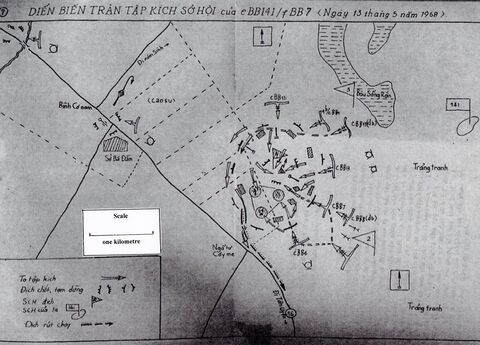 Sketch map titled: The Conduct of the Surprise Attack at So Hoi (FSPB Coral) by the 141st (NVA) Infantry Regiment/7th Infantry Division (13 May 1968). The map … Lieutenant Colonel Pham Vinh Phúc
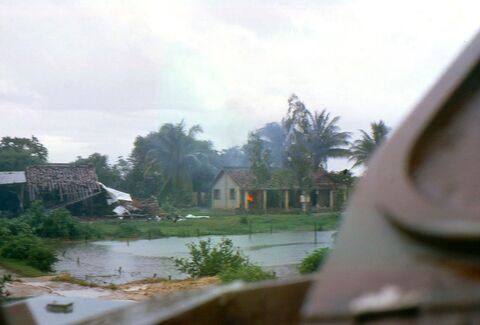 Taken during an exchange of fire with the enemy on the road south from the market place. Barry J Diwell, 22 August 1968
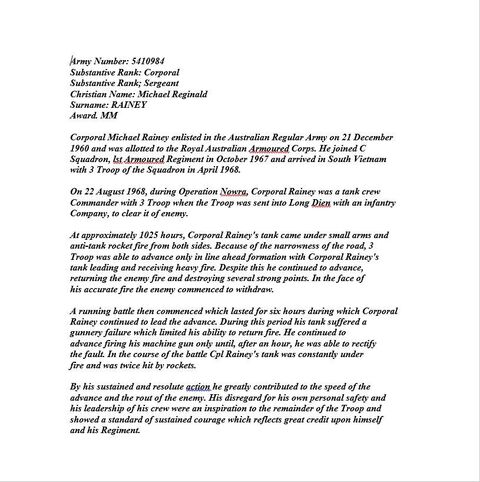 Wording of citation for the Military Medal awarded to Cpl M R Rainey crew commander Centurion tank 33Bravo 1AR for conduct during Operation Nowra 22 August …
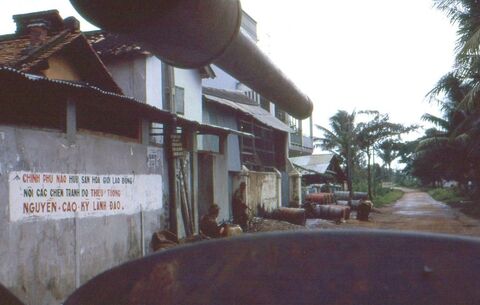 Members of 1 RAR and Centurion tank 33Bravo preparing to advance south from the market place at Long Dien. Barry J Diwell
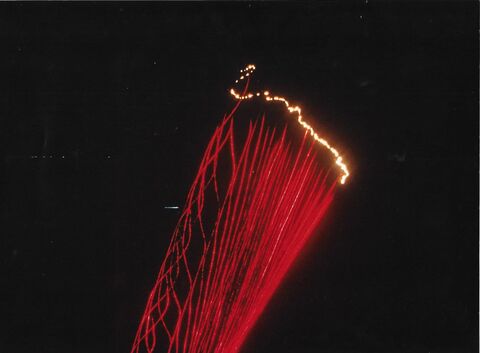 Spooky firing to front of 102 Fd Bty at 0340 13 May 68 13 May 1968
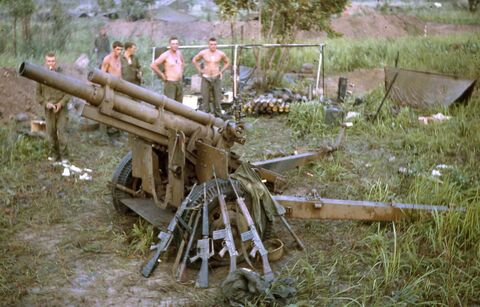 Morning - No 6/F Sub Gun that was overrun at 03:00 13 May. Wounded and dead medevaced to Long Binh Greg Ayson, 13 May 1968
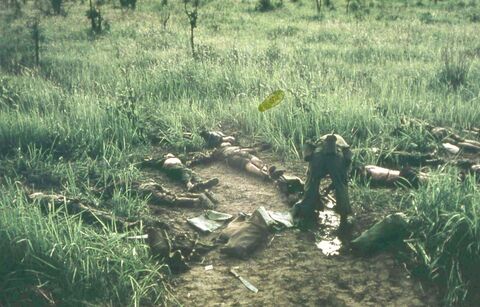 NVA Dead being searched and removed in front of No 6 Gun and its MG next to 1 RAR Mortars. Hit mainly with fleshette and SA Ayson, 13 May 1968
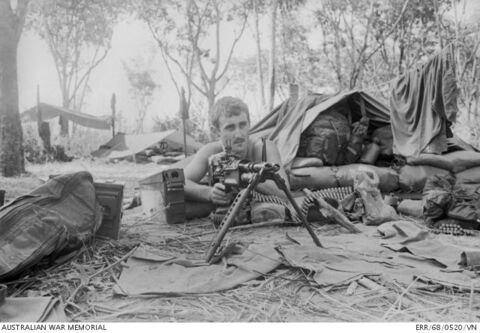 BIEN HOA PROVINCE, SOUTH VIETNAM. 1968-05. BOMBARDIER LARRY DAVENPORT OF VICTOR HARBOR, SA, WAITS AND WATCHES BEHIND HIS M60 MACHINE GUN DURING OPERATION TOAN … AWM ERR/68/0520/VN, 13 May 1968
 Fire Support Base (FSB) Coral. Unidentified members of 102 Field Battery, 12th Field Regiment, Royal Australian Artillery (RAA), drag away the body of a North … Photographer A King, 13 May 1968
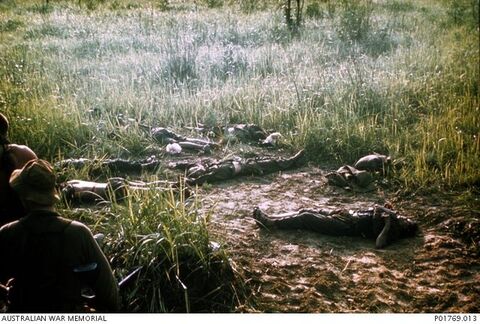 Fire Support Base Coral, Bien Hoa Province, Vietnam, 13 May 1968. The dead bodies of several North Vietnamese Army (NVA) soldiers lying on the ground in front … 13 May 1968
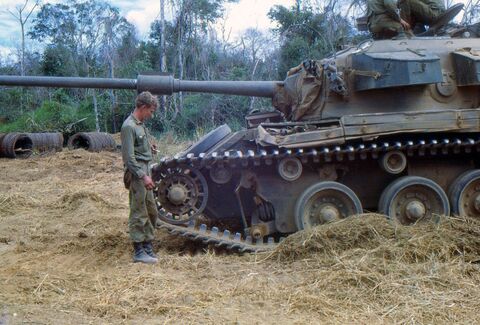 32 Charlie after having been escorted back to FSB Dyke. Temporary repairs had been made to the damaged suspension station. Rus Kiellerup is inspecting the … Duncan McIntosh, 10 December 1968
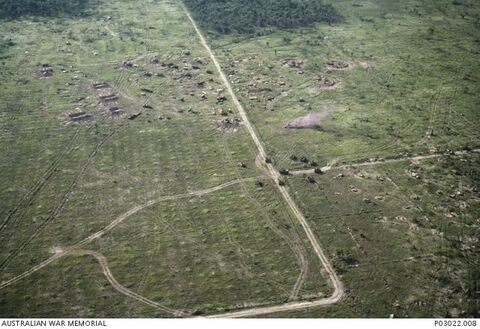 An aerial view of the central and south-eastern areas of Fire Support Base (FSB) Coral (Operation Toan Thang I) taken on the afternoon of 13 May 1968. The … AWM P03022.008, 13 May 1968
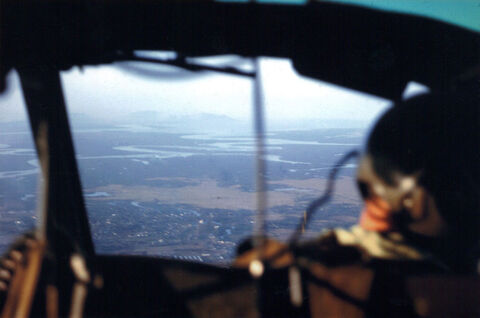 Looking forward, south-west Phuoc Tuy Province from R.A.A.F. UH-1B Iroquois as B Company 5 R.A.R. travel towards Route 15 20.12.66 errol999, 30 December 1966
- Looking forward, south-west Phuoc Tuy Province from R.A.A.F. UH-1B Iroquois as B Company 5 R.A.R. travel towards Route 15 20.12.66 errol999, 30 December 1966
![Gunner Fred Bowden, Royal Regiment of Australian Artillery, 12th Field Regiment, astride a US 155mm self-propelled howitzer at Fire Support Base Coral, 1968. Some US artillery was seconded to the Australians at Coral. [Image courtesy of Fred Bowden] We were all overwhelmed by the sheer size of the American effort. We had an army of 35,000, we had no idea that that’s the size of just one of their manoeuvre units! They would do tremendous feats of logistics, like they actually made the highway fro](/media/uploads/55/557f4799b8bfbfa40f5c2101a1e2ec5042e60d5aca54b4da59ca70d1e25abfbc-480.jpg) Gunner Fred Bowden, Royal Regiment of Australian Artillery, 12th Field Regiment, astride a US 155mm self-propelled howitzer at Fire Support Base Coral, 1968 … Erbn Marshall Bernie Weisz
Gunner Fred Bowden, Royal Regiment of Australian Artillery, 12th Field Regiment, astride a US 155mm self-propelled howitzer at Fire Support Base Coral, 1968 … Erbn Marshall Bernie Weisz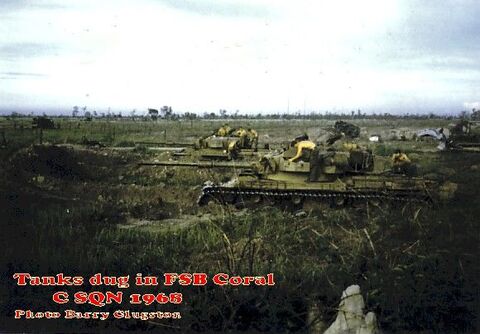 C Sqn. Dug in 1968 Ern Marshall Barry Glugstor
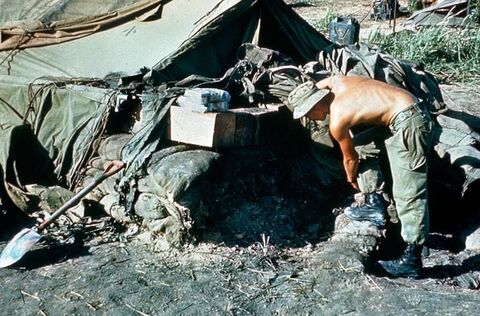 Sergeant Richard Creek of 102 Field Battery inspects the damage inflicted on the Battery’s Command Post by North Vietnamese mortars during an attack in the … Ern Marshall Bernie Weisz
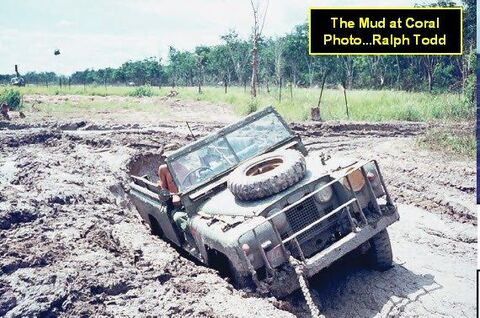 The mud at Coral Ern Marshall Phouc Thuy News
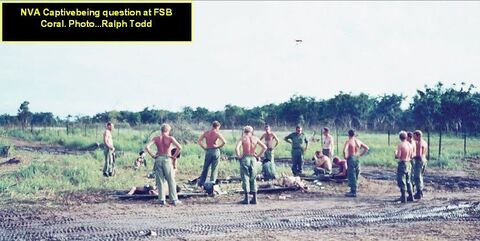 NVA Captives Ern Marshall Phuc Thuy News
Sources #
- Tours and arm: the Australian War Memorial's record of the unit.
- Contacts: the Battle Map's records of 674 contacts, each report citing the archival source (most often the commanders' diaries, AWM95).
- The dead: the honour roll, with tours of duty from the nominal roll.
- Helicopter missions: No. 9 Squadron RAAF's unit history sheets (National Archives of Australia, A9186, 736), read into the Battle Map's records, with each report's summary written by an AI model (Claude).
- Summaries of the reports: written by an AI model (Claude) from the reports, and reviewed.